





Introduction — Pickpockets in Malaga: why this guide matters
Malaga, the sunny capital of the Costa del Sol, draws millions of visitors every year with its Andalusian heritage, beaches and lively urban scene. That said, like any busy tourist destination, there are hotspots where pickpockets work efficiently. This comprehensive guide gives you a clear overview of risky areas, how thieves operate, practical precautions and local resources to minimize the chance of becoming a victim of petty theft.
First things first: Malaga is generally safe for the average traveler, but some places — crowded shopping streets, markets, public transport at rush hour and waterfront areas — concentrate most incidents. Pickpockets exploit brief lapses in attention: taking a photo, glancing at a map, a bag left carelessly on the back of a chair, or the crush of people after a match or concert. They often work in groups, using distractions (a push, a crying child, someone spilling a drink) to isolate the victim. Some also use a « hand-off » technique: one accomplice distracts while another takes the wallet.
This guide is practical and hands-on. You’ll find detailed descriptions of specific zones in Malaga with exact addresses and concrete tips (where to keep your documents, what type of bag to favor, critical times of day). We also list local points of contact: police stations, transport hubs with addresses, markets, tourist sites and port parking areas. Finally, you’ll get immediate best practices, steps to take if you’re robbed and tips to secure your valuables. The goal: help you enjoy Malaga without excessive fear, but with the vigilance you need to travel confidently.
The recommendations here apply to short-term visitors and temporary residents alike. They take into account the traveler profiles most targeted (seniors, distracted tourists, families with children, visitors with limited Spanish) and provide strategies to reduce risk — from choosing the right bag to how to pay at markets. You’ll find practical pointers (peak hours, indicative transport costs, exact addresses) to plan your days safely. By the end of this guide you’ll have a mental map of where to step up your awareness and simple routines that drastically lower the chances of being targeted.
Tourist hotspots to know: streets, monuments and plazas
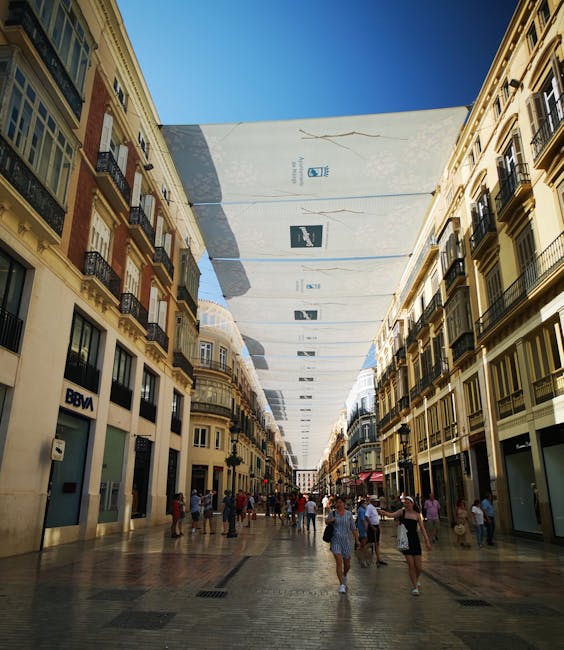
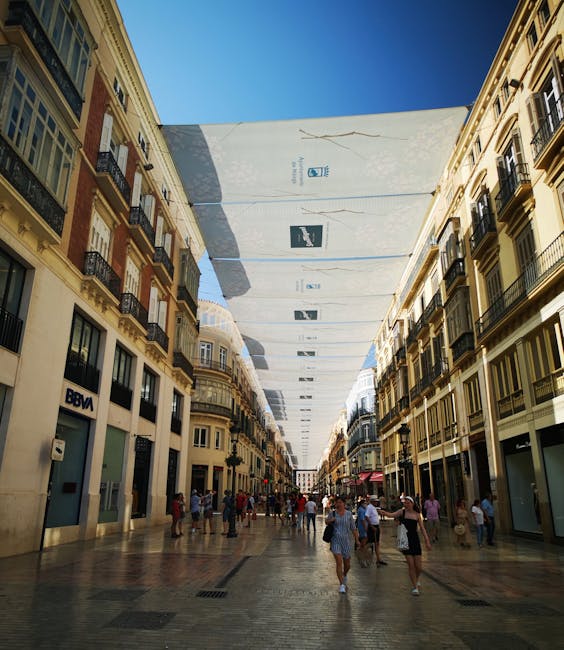
Certain areas of Malaga naturally draw crowds — and with them, pickpocket activity. The most notable is the famous Calle Marqués de Larios (commonly called Calle Larios), the pedestrian artery through the historic center that runs from Plaza de la Constitución into the shopping district. Indicative address: Calle Marqués de Larios, 29015 Málaga. Between 10:00 and 18:00, especially during sales, festivals (Semana Santa, Feria de Málaga) and summer afternoons, visitor density is high. Crowd surges during events increase the risk of pickpocketing: keep your bag facing forward and wallets in inner pockets.
The Plaza de la Constitución (Plaza de la Constitución, 29015 Málaga) is another major tourist thoroughfare, often ringed with café terraces. Pickpockets take advantage when you consult a brochure or photograph the baroque façades. Watch your belongings and avoid placing your bag on the back of a terrace chair.
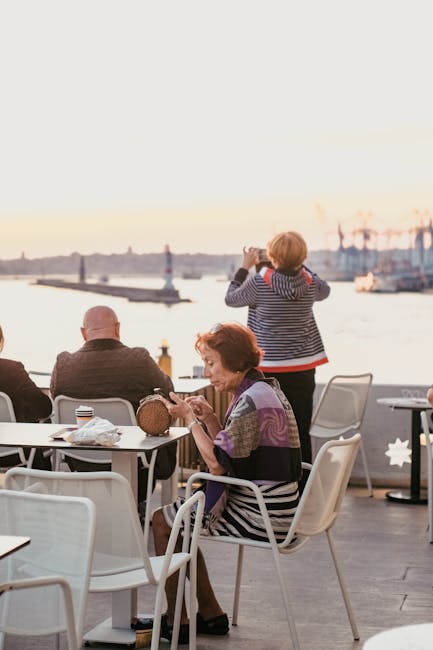
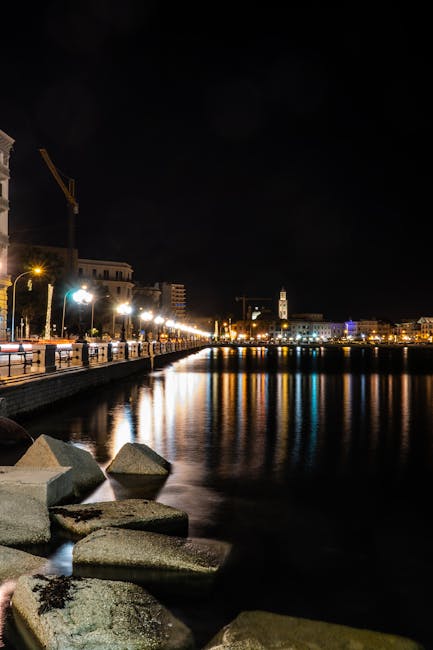
The port and waterfront promenade, Muelle Uno (Muelle Uno, Puerto de Málaga, 29001 Málaga), are very busy at sunset. Thieves operate both near the shops (opening hours usually from 10:00 to 22:00 depending on the season) and along the quays. If you plan a waterfront dinner, choose a discreet crossbody bag with a zipper and wear it in front.
The Mercado de Atarazanas neighborhood (Mercado Central de Atarazanas, Calle Atarazanas, 10, 29005 Málaga) has a double face: it’s a must-visit for local produce and cured meats, but also a place where pickpockets exploit the close quarters between stalls. Hours: typically open Monday to Saturday from 09:00 to 15:00 (varies slightly by vendor). Inside, keep pockets and bags closed; if you’re buying food, avoid pulling out your wallet and smartphone at the same time.
Finally, major cultural hubs like the Alcazaba and the Castillo de Gibralfaro (Alcazaba, Calle Alcazabilla, s/n, 29015 Málaga; Castillo de Gibralfaro, Camino Gibralfaro, s/n, 29016 Málaga) attract lots of visitors. Alcazaba opening times: generally 09:00–20:00 in high season (check before you go). Queues and scenic viewpoints are opportunities for thieves; don’t leave your belongings unattended while taking photos.
Public transport and transfer points: where to be extra careful
Public transport generates many pickpocket alerts. Stations and transfer hubs are prime spots: Estación María Zambrano (Paseo de los Tilos, s/n, 29006 Málaga), which houses commuter trains (Cercanías), long-distance services and the bus station, is particularly busy between 07:00–09:30 and 17:00–20:00. Pickpockets strike during platform-to-hall transfers, often targeting bags hanging from bicycles or backpacks on laden travelers.
The EMT Málaga bus network serves the center and beaches. Line A (airport bus) links Málaga Airport (Aeropuerto de Málaga-Costa del Sol, Av. Comandante García Morato, s/n, 29004 Málaga) to the city center. Indicative fare: around €3.00 for an airport-to-center trip (prices subject to change; check at the EMT counter). Buses are usually full when flights arrive, and pickpockets take advantage of rushing passengers and queues at the luggage compartments. Keep a compact bag under control while boarding and disembarking.
The Cercanías trains, notably the C1 line connecting the airport to Málaga-María Zambrano station, see incidents in carriages near the doors. Indicative fare: a standard ticket ranges between €1.80 and €2.50 depending on the journey. Drivers tend to be less cautious in parking areas near stations; never leave valuables in plain sight in a parked car, even for a short visit.
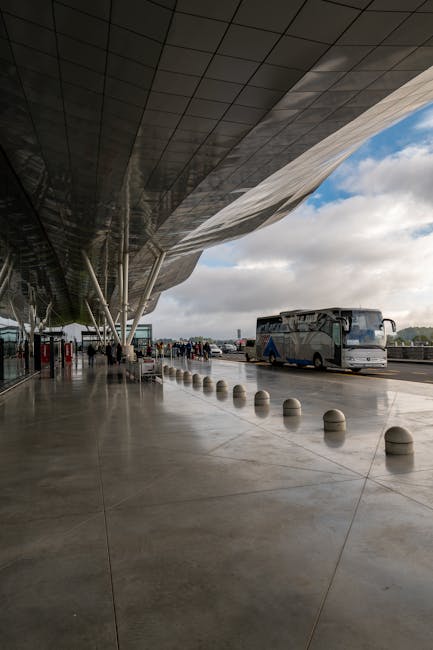
Taxis run on a meter and can be a safer option in some situations: the official Taxi Aeropuerto rank (in front of the terminal) is a reliable pickup point. Boarding fee varies but is often around €3–5 plus the per-kilometer cost — the airport-to-center trip usually costs around €20–25 depending on traffic. Use official taxi ranks (outside María Zambrano station, outside the airport) and avoid offers from unlicensed drivers promising « very low » fares.
Markets, shopping areas and stores: thieves’ habits and how to avoid them
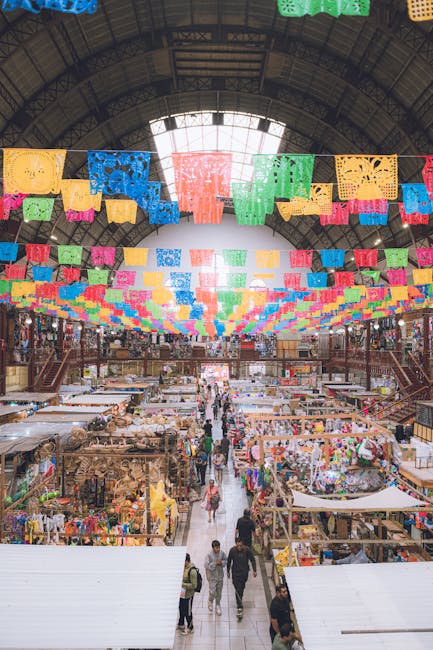
Markets and shopping streets like Calle Marqués de Larios, Calle Nueva and the Plaza de la Merced area attract both tourists and pickpockets. Thieves exploit quick transactions and the buyer-seller interaction. The Mercado Central Atarazanas (Calle Atarazanas, 10, 29005 Málaga) has already been mentioned: in addition to opening hours, note that the small streets around its historic façade create a maze that helps thieves escape quickly. Keep your bag in front of you or hooked to your leg, especially if you stop to sample a tapa.
In malls and shopping streets, pickpockets often use the « fake fall » or « bag-snatch » technique (snatching bags from pedestrians while passing on a bike or scooter). In Malaga, most snatch-and-run incidents happen in the evening on busy avenues. When paying, avoid exposing your cards: prefer contactless payments or using your phone (Apple Pay/Google Pay) instead of handling a stack of cash.
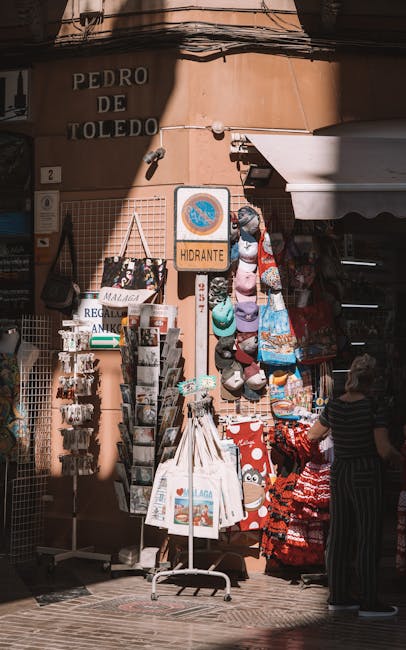
Souvenir shops and the small alleys around the Plaza de la Merced church (Plaza de la Merced, 29012 Málaga) are places where vigilance should stay high, especially during the tourist season (May–September). If you buy from street vendors, leave your passport at the hotel and only carry the cash you need (€5–20).
Practical tips: don’t keep all your cards and passport in the same wallet. Split your payment methods (one card in an RFID-blocking wallet, another in an inner pocket), leave a photocopy of your passport in the hotel safe and carry the original in a flat pouch under your clothes. Also, avoid open bags, tote bags and unzipped backpacks during peak hours.
Good habits, recommended gear and how to act in risky situations
Adopting a few simple habits drastically reduces your risk of being targeted. Here are the most effective ones, tried by travelers and recommended by local authorities.
- Secure bag: choose a crossbody bag worn in front with a zipper and inner pocket. Anti-theft bags with reinforced closures or cut-resistant straps are useful in crowded areas.
- Wallet & documents: don’t carry your original passport in a back pocket. Use a flat inner pouch (money belt) worn under your clothes for the essentials: passport, main credit card, minimal cash.
- Cash & cards: split your money: a few notes in your wallet, some tucked away as backup (discreetly), two cards kept in different places. If you lose one, you’ll have a backup to get back to the hotel.
- Behavior: when using your smartphone or camera, hold it tightly and avoid showing expensive items unnecessarily. Don’t leave your drink unattended at a terrace table.
- Awareness in crowds: if someone bumps into you or tries to distract you, step back, protect your pockets and check your bag. Children or pets used as distractions are common.
Recommended gear: RFID-blocking pouches (around €10–25), suitcase locks (€5–15), anti-theft crossbody bags (€30–70 depending on model). These are modest investments compared with the stress and complications of losing identity documents.
Safety planning: before you go out, copy important documents (passport, insurance card) and upload them to a secure cloud service. Note local emergency numbers: National Police / Guardia Civil (Spain’s single emergency number 112) and the nearest central police station, for example Comisaría Provincial de Málaga, Calle Pacífico, 54, 29004 Málaga (hours vary; open to the public during the day). Knowing police station locations makes filing a report quicker if something happens.

What to do if you’re pickpocketed: priorities and useful contacts
Being pickpocketed is unsettling, but quick actions help limit the damage. Here’s the priority order and useful contacts for Malaga.
- Secure your immediate situation: get to a safe, calm public place (a terrace, police station, metro station). If you’re injured, call medical services via 112.
- Cancel your bank cards: call your bank to block cards immediately. If you don’t have the number, use a public phone or ask hotel staff for help. Some international banks allow blocking via their mobile app.
- File a police report: getting an official report (denuncia) is essential for insurance claims. One place to file is: Policía Nacional – Comisaría Centro, Plaza de la Marina, 1, 29001 Málaga (opening hours vary). You can also go to the police station for your neighborhood. You’ll be given a written report; keep a copy for your insurer.
- Consular contact: if your passport was stolen, contact your embassy or consulate immediately. For example, the French Consulate General in Malaga assists French nationals (address and contact details vary: check the official Ministry website). The consulate can issue an emergency travel document to return home.
- Block your phone: if your smartphone was stolen, use remote location tools (Find My iPhone / Google Find My Device) to lock it and wipe data if needed. Report the theft to your mobile operator and request SIM blocking.
Addresses and practical places (references):
- Estación María Zambrano — Paseo de los Tilos, s/n, 29006 Málaga. Point of contact for train services and travel information.
- Mercado Central de Atarazanas — Calle Atarazanas, 10, 29005 Málaga. Mostly open 09:00–15:00, Monday to Saturday.
- Comisaría Provincial de Málaga — Calle Pacífico, 54, 29004 Málaga (check visiting hours for the public).
Finally, notify your travel insurance and follow their procedures for reimbursing stolen items. Provide the denuncia and proof of purchase if you have them. Staying calm, acting quickly and gathering the necessary documents is the best way to reduce the impact of a theft.
Final local tips and golden rules
A few commonsense habits to adopt as soon as you arrive in Malaga: spot the nearest emergency exit in very crowded places, avoid walking alone late at night in poorly lit alleys, and prefer official taxis for nighttime trips. Quietly tell someone your route and keep copies of important documents both online and offline.
Conclusion — Travel smart in Malaga: stay alert, stay relaxed
Malaga remains a warm, culturally rich and gastronomic destination. Pickpockets, while present, shouldn’t turn your trip into a source of anxiety. The key is to adopt simple regular habits: choose a secure bag, spread your payment methods, avoid flaunting valuables and stay alert during peak crowds. Knowing the risk zones — Calle Marqués de Larios, Mercado de Atarazanas, Muelle Uno, train stations and buses at rush hour — lets you anticipate and adjust your vigilance.
If something does happen, the steps are clear: secure your situation, block your cards, file a police report and contact your consulate if needed. Keeping digital and physical copies of documents and knowing emergency numbers (112) make resolving the issue much easier. Small preventive purchases (anti-theft bags, undergarment pouch, remote device locking) provide immediate peace of mind and greatly reduce the consequences of a theft.
Remember that good preparation lets you fully enjoy everything Malaga has to offer: a stroll along La Malagueta beach, visiting the Alcazaba (Calle Alcazabilla, s/n, 29015 Málaga), tasting tapas at Plaza de la Merced (Plaza de la Merced, 29012 Málaga), or a lively evening at Muelle Uno. Follow the practical tips in this guide and, for the vast majority of travelers, your stay in Malaga will remain a joyful, trouble-free memory.