





Introduction — Eating Well in Málaga: Markets, Small Cantinas and Local Know‑How
Málaga isn’t just a city of art and sun — it’s a foodie capital of southern Spain where food markets and small cantinas (bodegas, mesones, chiringuitos and tapas bars) capture the local spirit. This guide is for travellers who want to eat like a Malagueño: leaning on a bar, chatting with neighbours, tucked under a market roof or with sand between their toes. You’ll find exact addresses, sensory descriptions, typical opening hours, price pointers in euros and practical tips to make the most of your visits.
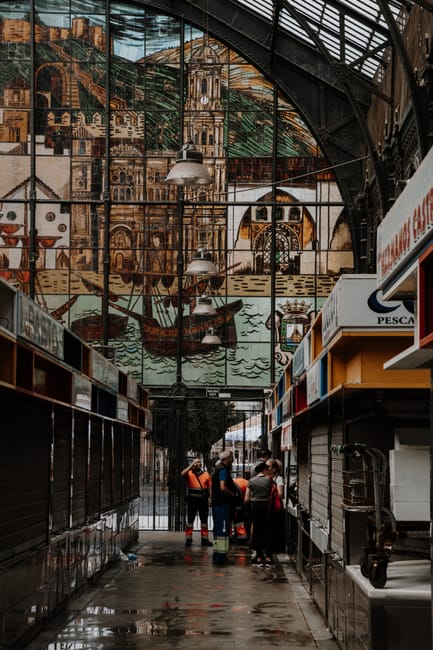
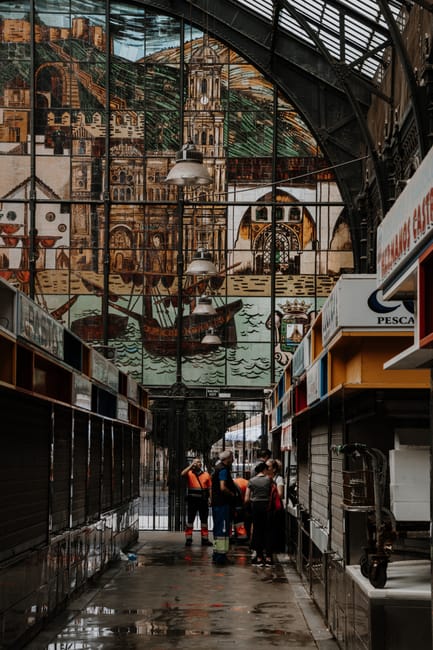
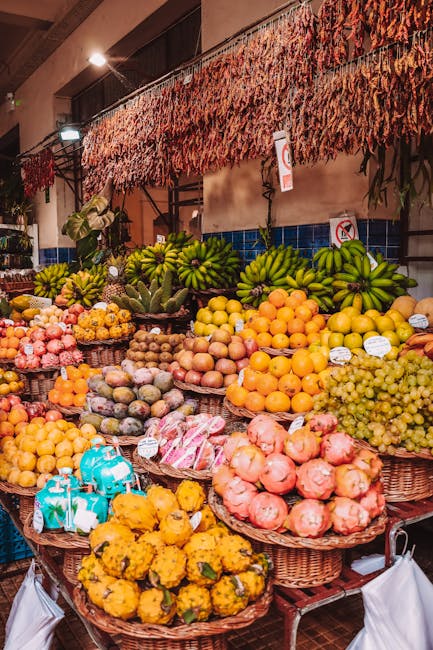
Málaga’s markets, like the Mercado Central de Atarazanas, are living places of exchange where you can buy just-landed fish, fruits and vegetables from the Axarquía, Iberian cured meats and traditional Andalusian products. These halls also host stalls and small cantinas where you can enjoy a ración, a tapa or a cooked dish on the spot at very reasonable prices. The contrast between the glitzy tourist restaurants on the coast and the authenticity of a neighbourhood barra (bar) is striking: people speak loudly, toast, share plates and are served quickly and well.
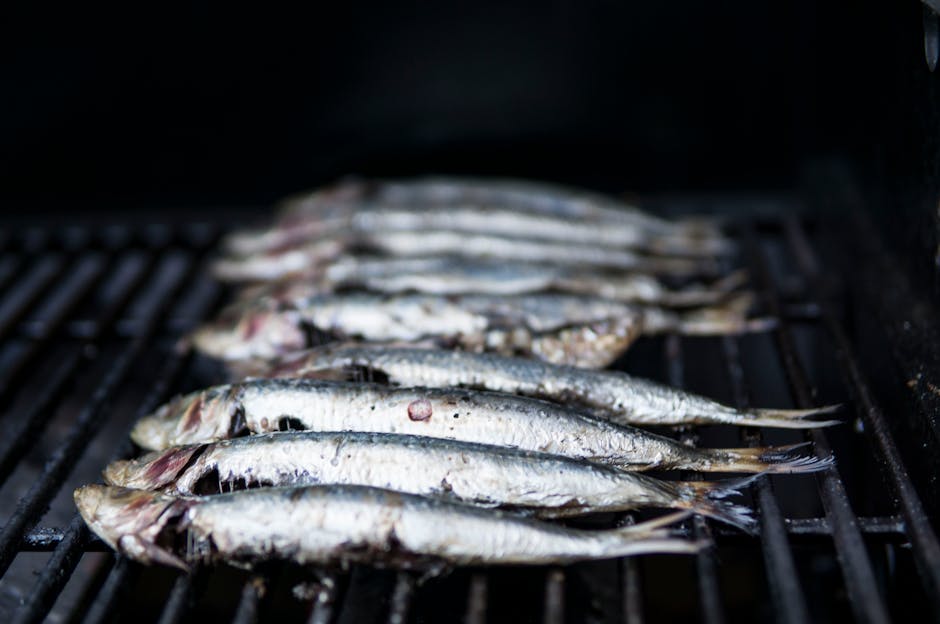
Málaga gastronomy is built on simple, high-quality ingredients: sardines, boquerones (marinated anchovies), espetos de sardinas (wood‑fire sardine skewers on the beach), gazpacho, salmorejo and a wide variety of fried dishes. Local cantinas often offer menú del día (fixed-price lunch menus), perfect for a hearty meal without breaking the bank — expect around €10–16 for a full menú including starter, main, dessert and a drink. For tapas, budget €2.50–6 per dish depending on the place’s reputation.
This guide highlights several must-visit areas to eat well in Málaga: main covered markets, historic small cantinas and emblematic chiringuitos on the coast. For each spot you’ll get the exact address, typical hours, price estimates and local tips (best time to go, dishes to order, reservation tips). Note: opening times can vary off-season or during local festivals — check before you go, and use this guide to pinpoint and savor Málaga’s culinary soul.
Must‑Visit Markets: Atarazanas, La Merced and Other Lively Halls
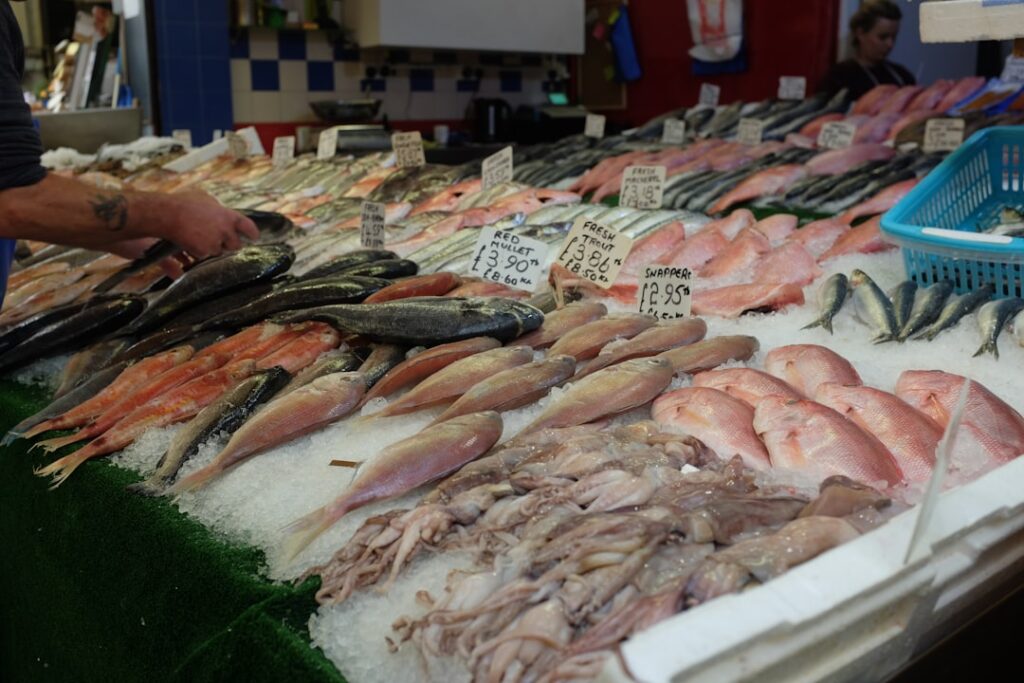
The Mercado Central de Atarazanas is Málaga’s most iconic market. Address: Mercado Central de Atarazanas, Calle Atarazanas 10, 29005 Málaga. Typical hours: Monday–Saturday 8:00–15:00 (some stalls close in the afternoon). Description: set in a restored 19th‑century building, it blends historic architecture with modern stalls; you’ll find fish, shellfish, meat, vegetables and small cantinas serving tapas and raciones. Price examples: a portion of pescado frito (fried fish) €6–10, a plate of gambas a la plancha €8–14, coffee €1.20–1.80.
Another recommended stop is Mercado de la Merced. Address: Mercado de la Merced, Plaza de la Merced s/n, 29012 Málaga. Hours: generally 9:00–15:00 and some days until 20:00 depending on the indoor bars. Atmosphere: younger and trendier than Atarazanas, with organic vendors, contemporary tapas bars and a lively evening scene. Prices: modern tapas €3–7, sharing boards €12–20.
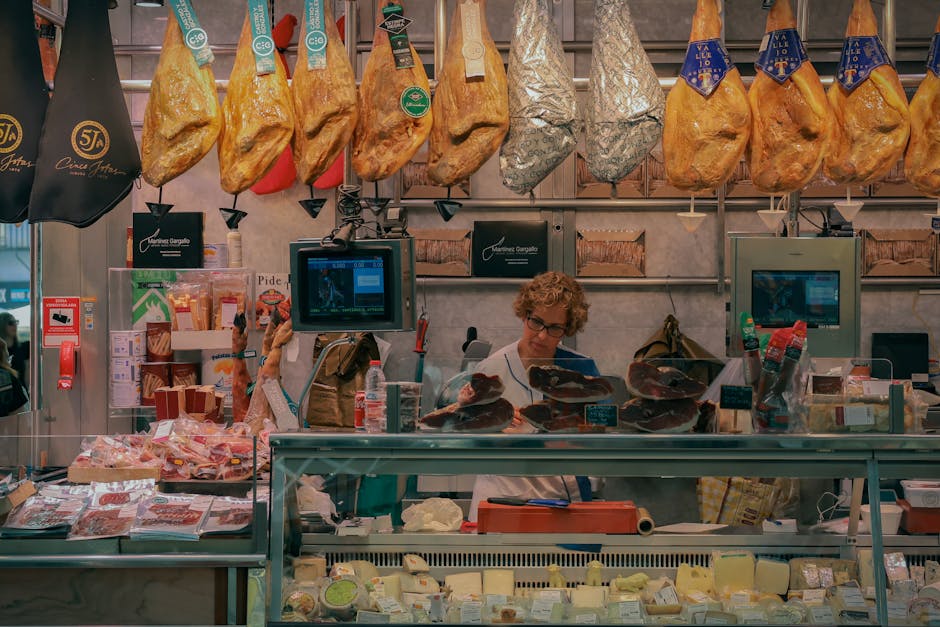
For a neighbourhood experience, visit Mercado de Bailén / Mercado de Salamanca (near the city centre). Indicative address: Mercado Bailén, Calle Bailén 12, 29009 Málaga. Hours: mornings 8:00–14:00. Description: a humbler hall where locals shop, you’ll meet artisan cured‑meat vendors, local cheese sellers and small cantinas for a quick lunch. Prices: menú del día €10–14 depending on the dish, bocadillos (sandwiches) €3–6.
Practical market tips: arrive early to get the freshest fish (between 8:00 and 10:00), ask stallholders how they prepare their products — they love to show off their skills — and carry some cash for small purchases (although many now accept cards). Markets are also great for grocery souvenirs: local honey, extra virgin olive oil and Málaga wines. Finally, respect queues and stall space when ordering — speed is king in these busy places.
Small Cantinas and Tapas Bars You Can’t Miss: La Tranca, El Pimpi, El Tapeo and More
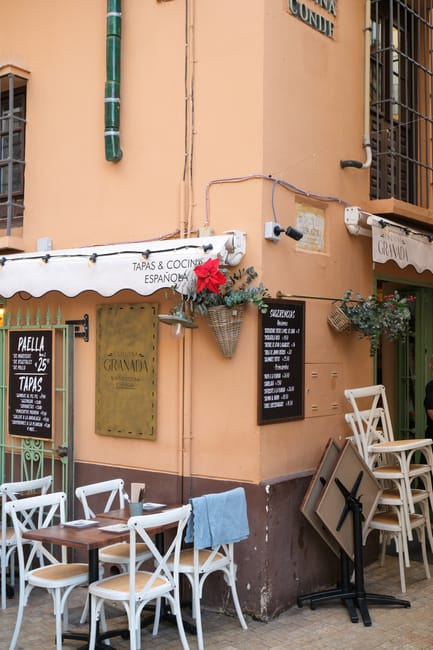
Small cantinas and tapas bars are Málaga’s social heart. Here’s a curated list of spots where quality and authenticity come first.
Bar La Tranca — Address: Bar La Tranca, Calle Carretería 92, 29008 Málaga. Hours: Tuesday–Sunday 12:00–16:00 and 20:00–00:30 (closed Monday). Specialties: traditional tapas, vermouth and montaditos. Prices: tapas €2.50–4, glass of vermouth €2.50–3.50. Description: wooden counter, local crowd, occasional flamenco music and direct service. Tip: arrive early to snag a spot at the counter, especially in the evening.
El Pimpi — Address: Bodega El Pimpi, Calle Granada 62, 29015 Málaga. Hours: open daily 12:00–01:00. Specialties: classic Andalusian cuisine, regional wines, dishes meant for sharing. Prices: tapas €3–7, raciones €8–18, tasting menus pricier and seasonal. Description: an institution for both tourists and locals, tiled decor and celebrity photos, with a pleasant terrace overlooking the Roman theatre. Tip: for an authentic experience, try “frites malagueñas” and a glass of Málaga Moscatel.
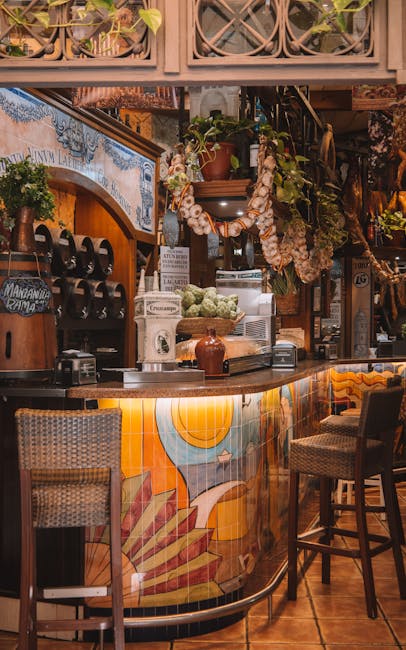
Bar El Tapeo de Cervantes — Address: El Tapeo de Cervantes, Calle Cárcer 8, 29005 Málaga. Hours: 13:00–16:00 and 20:00–00:00 (closed Sunday evenings depending on season). Prices: tapas €3–6, small sharing plates €6–12. Description: intimate dining room, creative tapas made with local ingredients, very popular — book ahead or be prepared to wait for a bar spot.
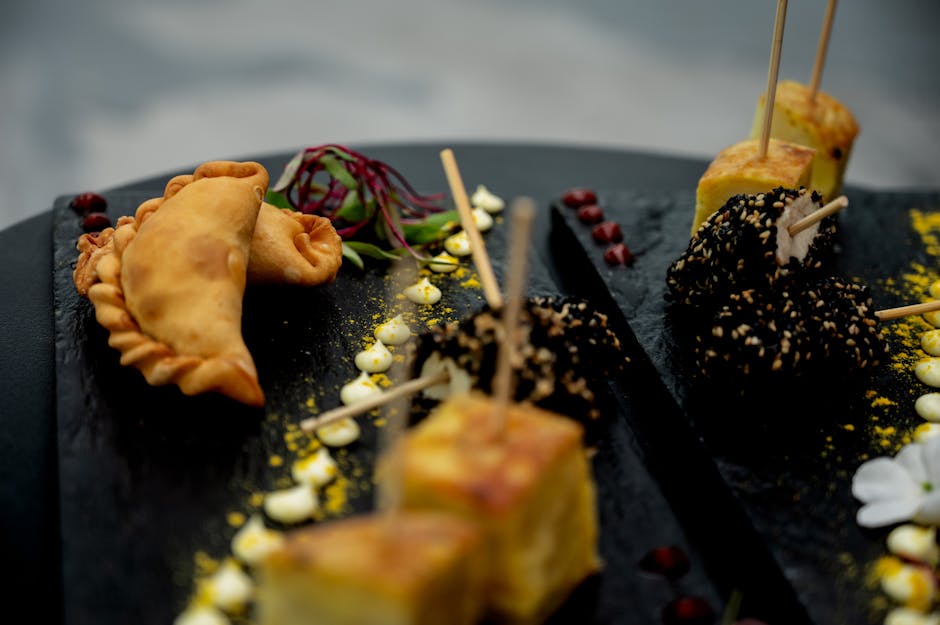
Mesón Mariano (and similar mesones) — You’ll find neighbourhood cantinas in the streets around Plaza de la Merced and the historic centre: they often serve menú del día for €10–14, with hearty seasonal dishes (stews, fish, grilled vegetables). Service is friendly, sometimes brisk, and the vibe is firmly local.
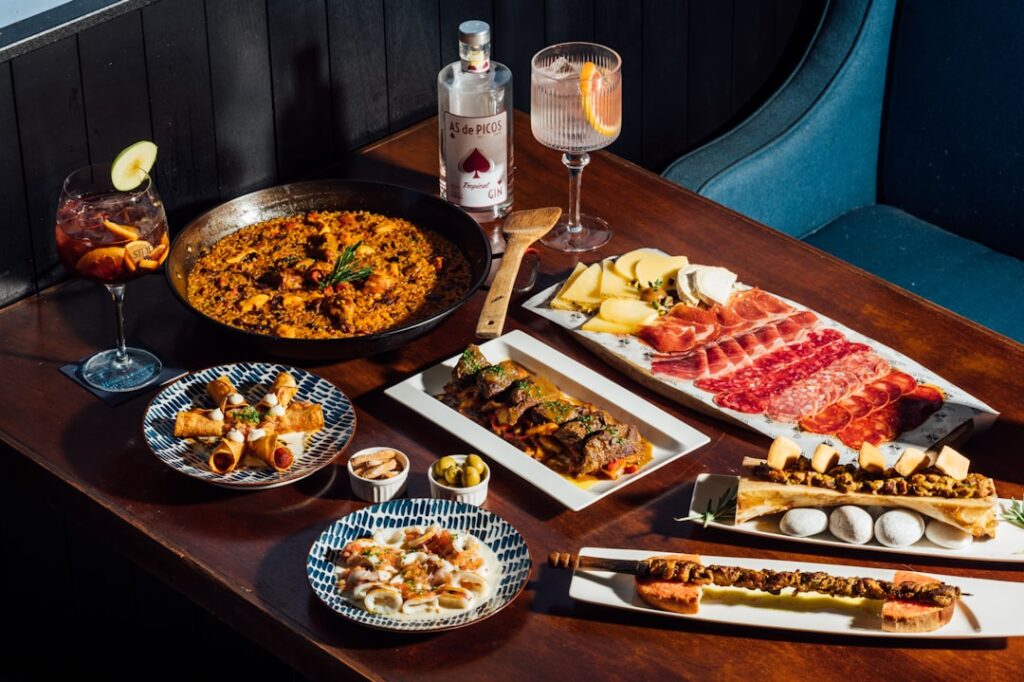
Chiringuitos and Beach Specialties: Espetos, Fried Fish and Laid‑Back Vibes
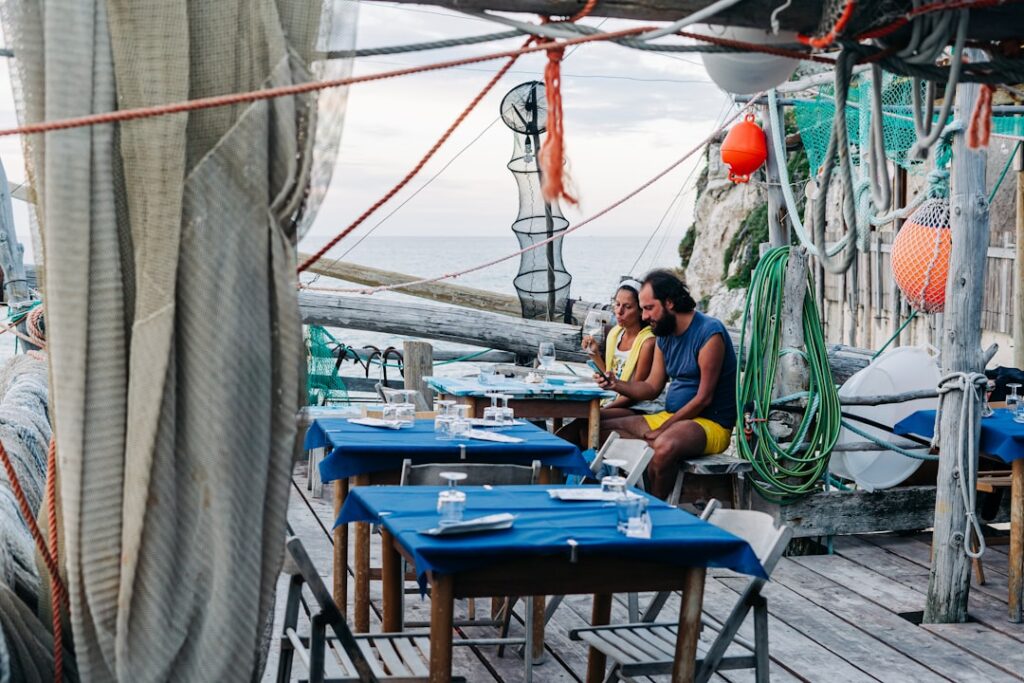
For a true Costa del Sol culinary experience, head to the chiringuitos (beachside restaurants) where sardines are grilled on espetos or a fritura malagueña (a mix of small fried fish) is prepared. One of the most famous chiringuitos is El Tintero de El Palo. Address: Chiringuito El Tintero de El Palo, Paseo Marítimo de El Palo, 29017 Málaga. Hours: typically 12:00–17:00 and sometimes until 23:00 depending on the season. Prices: sardine espetos €3–6 per skewer, fritura €8–14 per portion, drinks €2–4.
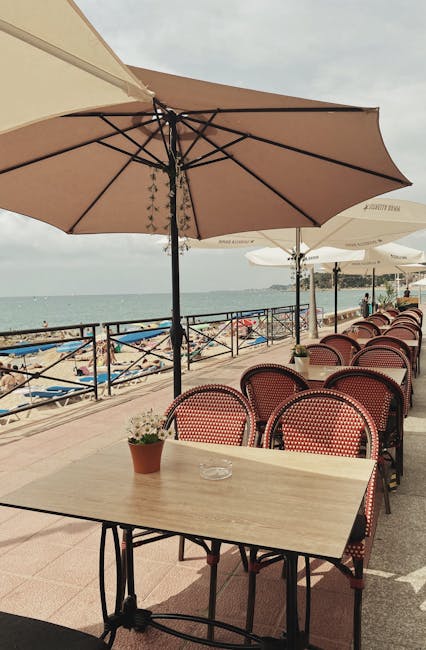
Practical tips for chiringuitos: go in the afternoon to enjoy the sun and a simple meal by the water; espetos are often sold by the skewer and meant for sharing. Chiringuitos favour an informal atmosphere — expect wooden tables, sometimes eating right on the sand. In high season (July–August), beaches and chiringuitos fill up early: reserve or arrive before 13:00 to secure a table.
Other coastal specialties: sopa de mariscos (seafood soup), plancha de mariscos mixtos (mixed grilled shellfish) and seafood platters. Prices vary widely by location: on the beach expect to pay €10–25 per person for a full meal, while inland the same dishes can be 20–40% cheaper.
Practical Tips, Budgets, Opening Hours and Local Hints
Málaga is easy to explore on foot; markets and cantinas in the centre are usually open in the morning and close in the afternoon, while tapas bars come alive again in the evening from around 20:00. Here are some practical points:
- Opening hours: Main markets: 8:00–15:00 (Atarazanas), smaller markets 9:00–14:00; tapas bars: 13:00–16:00 and 20:00–00:30; chiringuitos: midday–17:00 and summer evenings.
- Estimated budget: market breakfast €2–6, tapas €2.50–7 each, menú del día €10–16, full cantina dinner €12–25, chiringuito €10–30 per person depending on fish and wine.
- Payment: bring cash for small stalls; most cantinas accept cards, but market stops may prefer cash.
- Reservations: highly recommended for El Pimpi and El Tapeo de Cervantes in the evening; for La Tranca or chiringuitos, reservations are often unnecessary but arrive early.
- Local specialties to try: espetos de sardinas, boquerones en vinagre, pescaíto frito, salmorejo, ajoblanco and Málaga’s sweet wine (Moscatel).
- Local etiquette: greet the staff, be patient at the counter and remember to share plates — conviviality is the rule.
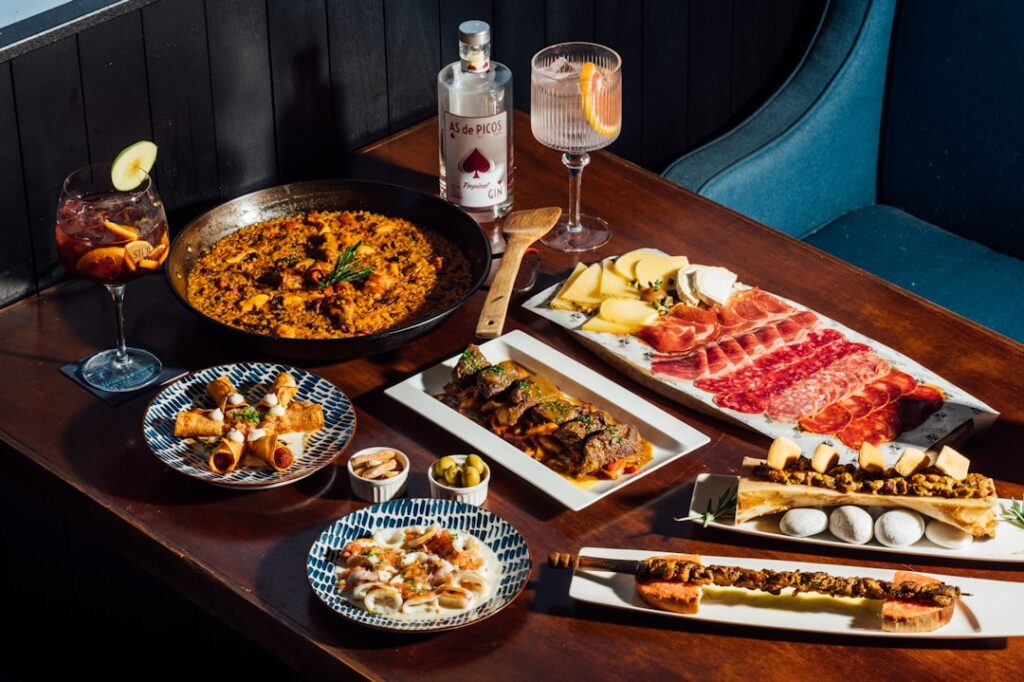
In short, pair a morning market visit with tapas at a small cantina at lunchtime and a chiringuito late‑afternoon for a complete culinary route. Explore different neighbourhoods (Centro Histórico, El Palo, La Malagueta, Soho) to get a fuller picture of Málaga’s food scene.
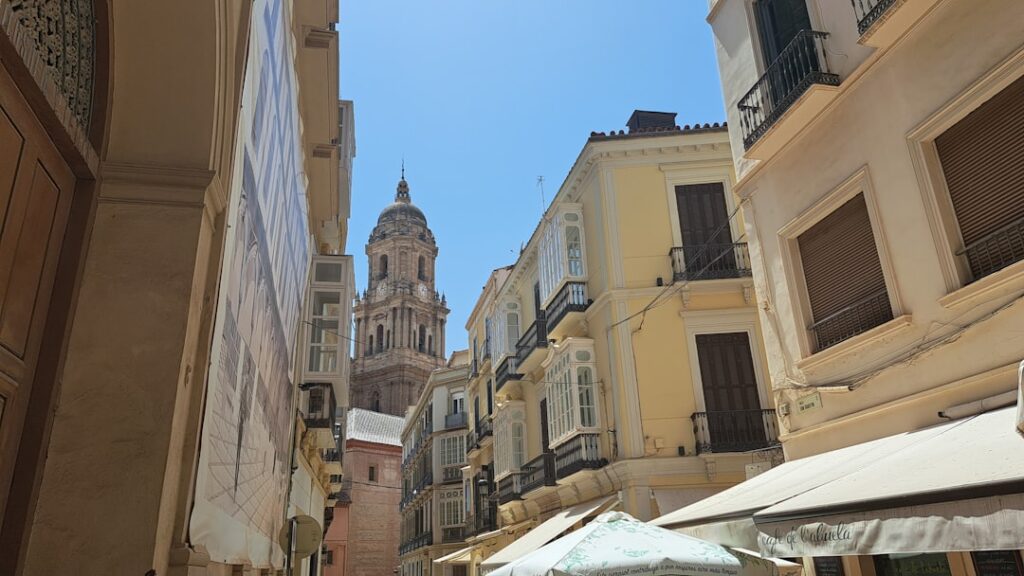
Conclusion — Eating in Málaga: A Cultural and Sensory Experience
Málaga offers a remarkable range of accessible, authentic food experiences: bustling markets, characterful small cantinas, creative tapas bars and festive chiringuitos by the sea. By following the addresses and tips in this guide, you can build meals that go far beyond simple sustenance: they become a way to connect with locals, learn about regional ingredients and fully enjoy the Andalusian pace of life.
Plan your visits around the opening hours (markets in the morning, tapas at midday and in the evening, chiringuitos in the afternoon), carry some cash for small stops and don’t hesitate to ask vendors and servers for their recommendations — they’ll be happy to point you to the catch of the day. If you’re on a tight budget, favour menú del día at neighbourhood cantinas and tapas at local bars: you can eat well for €10–20 per person. For more touristy or historic venues like El Pimpi, expect somewhat higher prices but a unique atmosphere.
Above all, keep an open mind: Malagueña cuisine favors freshness and simplicity, and the best culinary memories often come from a noisy bar counter, a skewer of sardines on the beach or a plate shared among friends. Enjoy — buen provecho and savor Málaga one bite at a time.