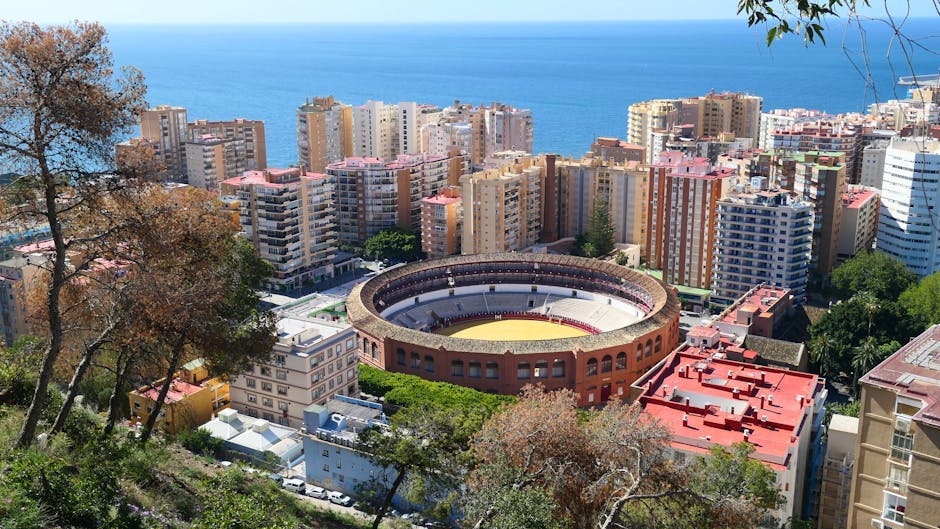






Introduction: History and Context of Pickpocketing in Malaga
Malaga, a lively Andalusian port on the Costa del Sol, is a city rich in history, art, and street life. Its long-standing popularity with tourists — museums like the Museo Picasso Málaga (Plaza de la Merced, 15-17, 29012 Málaga), bustling markets such as Mercado Central de Atarazanas (Calle Atarazanas, 10, 29005 Málaga), attractive beaches and seasonal events like the Feria de Málaga — draws millions of visitors every year. That influx has also created fertile ground for minor crimes, especially pickpocketing. To understand the history of pickpockets in Malaga and how prevention measures have evolved, you need to look at the social, urban and tourism context that shaped the phenomenon.
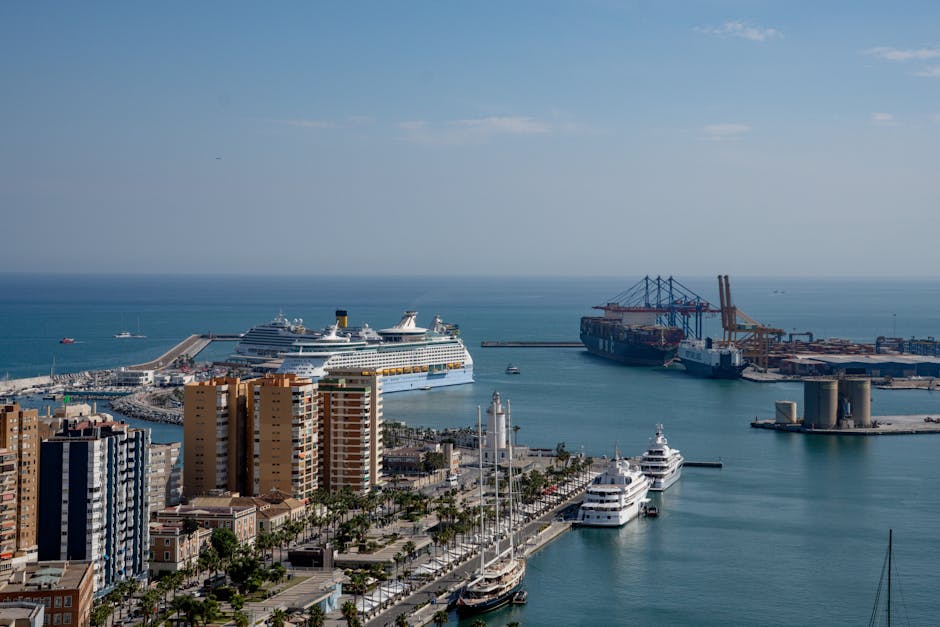
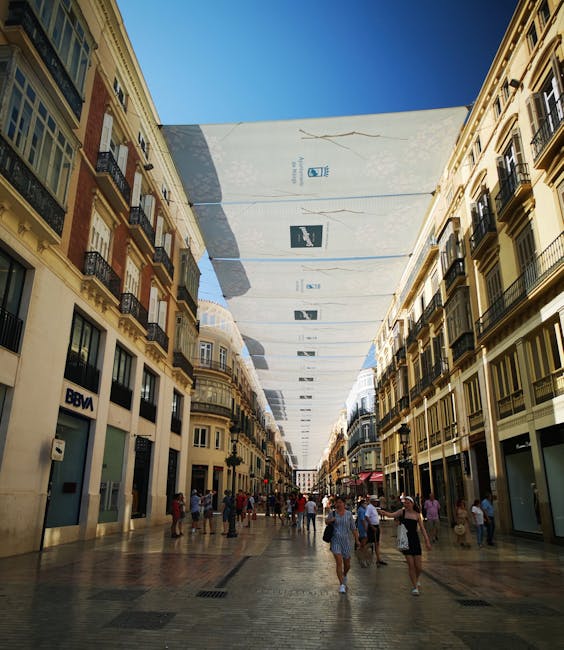
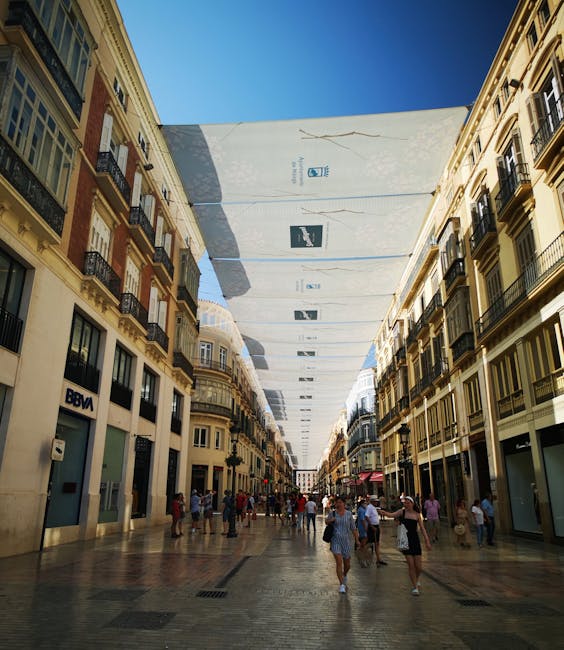
Pickpocketing in Malaga is not a recent problem. As early as the 19th century, guidebooks and local newspapers describe thieves operating around port districts and near train stations, taking advantage of the constant movement of goods and people. Police records from the early 20th century already reported organized gangs targeting travelers arriving by ship at the Puerto de Málaga or by train at Estación María Zambrano (Paseo de los Tilos, s/n). Over the decades, industrialization and then the tourist boom of the 1960s–1970s changed where and how pickpockets operated: from docks and rail corridors, thefts shifted to beaches, shopping streets like Calle Marqués de Larios (29015 Málaga) and crowded markets.
Since the 2000s, the nature of pickpocketing has continued to change: the rise of organized networks, thefts carried out in pairs or using diversion techniques (a distraction followed by a grab), and crimes targeting not just cash but also smartphones and bank cards. These changes have pushed municipal authorities, police forces — Policía Local de Málaga (Plaza de la Constitución, s/n) and Policía Nacional — and private stakeholders (shopping centers, transport operators) to implement increasingly sophisticated prevention measures. Physical prevention (cameras, locked storage, secured pockets), multilingual awareness campaigns, increased patrols in tourist areas, and European cooperation against criminal networks are among the responses that have been rolled out.
This general guide offers a historical and practical overview: how pickpocketing has woven into Malaga’s urban fabric, which areas have traditionally been most affected (Calle Marqués de Larios, Plaza de la Constitución, Muelle Uno — Paseo del Muelle Uno s/n), and how prevention measures have evolved to include current technological and community-based solutions. You’ll also find concrete tips, useful addresses, opening hours and prices to help you spot places where vigilance is required, local advice to avoid bad encounters, and a description of the systems in place (CCTV, electronic lockers at some stations, municipal measures during high season).
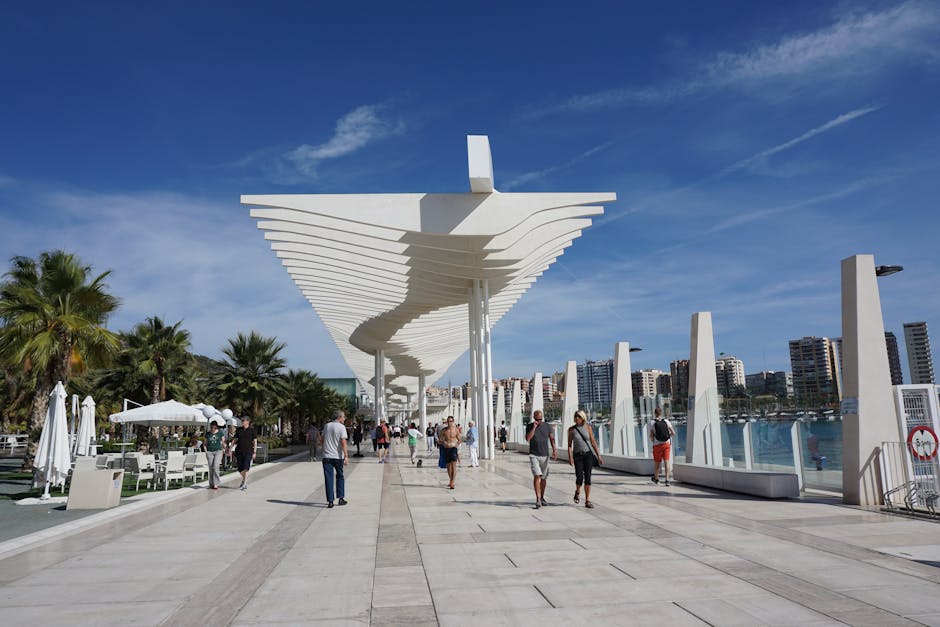
Origins and How Pickpocket Techniques Have Changed in Malaga
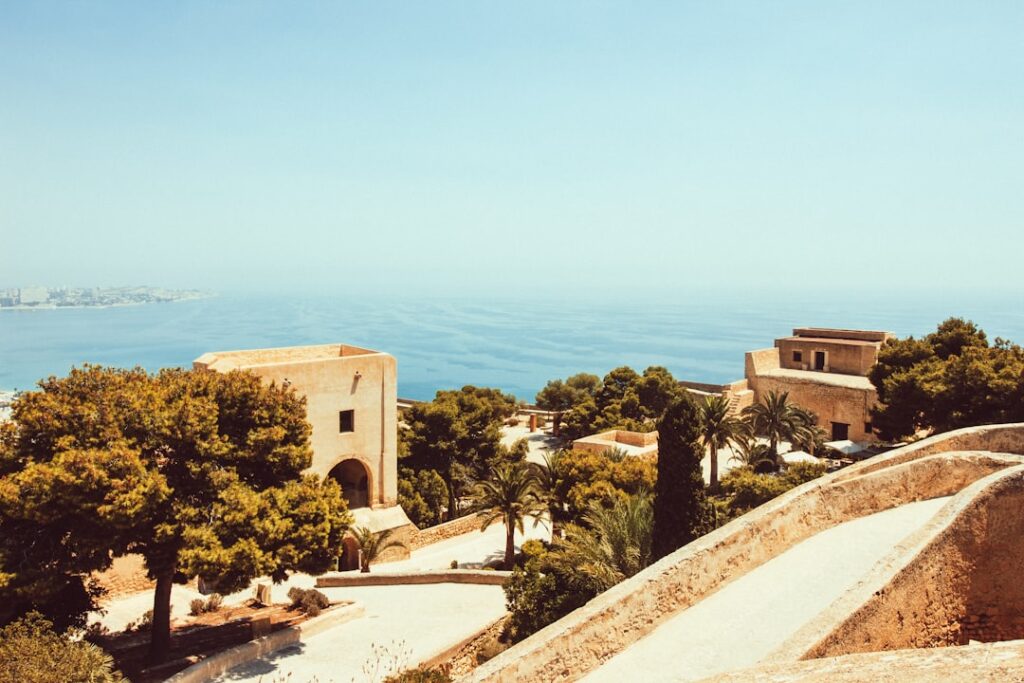
Pickpocketing methods in Malaga have evolved alongside the city itself. In the late 19th and early 20th centuries, the proximity of the commercial port and goods depots encouraged opportunistic thefts: thieves would take advantage of crowded cargo areas, stations or quays to snatch personal belongings. Offenders were often itinerant workers, teenage gangs or seasoned professionals targeting travelers. The architecture of the historic center — narrow alleys and shaded spots around landmarks like the Alcazaba (Calle Alcazabilla, 2) — long provided a backdrop for traditional distraction techniques.
With the rise of mass tourism in the second half of the 20th century and the arrival of easier mobility (cars, commuter trains, low-cost flights), pickpockets streamlined their methods. In the 1980s–1990s, organized groups began using crowds as camouflage during festivals and football matches: events like the Feria de Málaga (usually in August) and matches at Estadio La Rosaleda (Paseo de Martiricos, s/n) are times when extra vigilance is required. More recently, since 2000, two trends stand out:
- Broader targets: smartphones, tablets, bank cards and passports in addition to wallets. A stolen smartphone (e.g., a refurbished iPhone) can fetch several hundred euros on the black market, making these items especially attractive.
- More sophisticated methods: « pincer » operations (two people — one distracts while the other steals), thefts in jostling crowds on public transport, the use of scooters for quick getaways, and fake information agents or bogus guides offering help near attractions (Museo Picasso Málaga, Plaza de la Merced).
Risk areas identified by the Policía Local include Calle Marqués de Larios (C/ Marqués de Larios, 29015 Málaga), the surroundings of Mercado de Atarazanas (C/ Atarazanas, 10), the waterfront at Muelle Uno (Paseo del Muelle Uno s/n), and transport hubs like Estación María Zambrano. Peak risk times are typically late afternoon until around 9pm during tourist season, and late at night during events. Local statistics show pickpocketing incidents tend to rise in July–August, when tourist numbers far exceed the resident population.
Pickpockets’ reactions to increased policing have also evolved: some groups, faced with greater surveillance, specialize in rapid large-scale operations (for example, collective thefts in a crowded market), while others adopt quieter profiles, operating on public transport (Cercanías trains or EMT Málaga buses — single fares around €1.30 in cash) or near train stations. For travelers, knowing both historical and contemporary methods is essential: understanding how a gang operates helps you avoid risky situations and limit the fallout if a theft occurs.
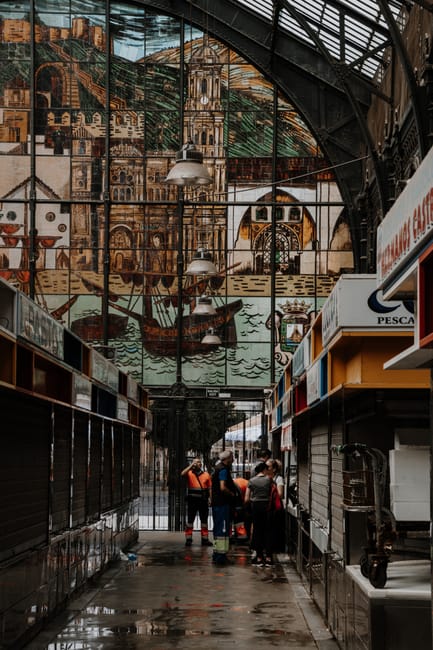
How Prevention Has Evolved: From Rural Patrols to Digital Solutions
Prevention of pickpocketing in Malaga has followed a two-track path: increasing human resources (police, private security) and integrating preventive technologies (CCTV, digital communication). Historically, police presence was sporadic and often reactive. From the 1990s onward, Malaga’s city council invested in prevention campaigns in partnership with Policía Nacional and Policía Local to raise awareness among tourists and shopkeepers.
Material measures introduced include:
- More patrols: Policía Local and Policía Nacional have ramped up rounds in sensitive areas — Calle Marqués de Larios, Muelle Uno, Plaza de la Constitución — especially during high season. During the Feria de Málaga, extra checkpoints and fixed posts are installed 24/7 along main routes.
- CCTV: Cameras have been installed in the historic center and along the seafront. Many high-footfall areas now have cameras connected to a municipal control center. These images not only allow quicker response but also provide evidence for cross-border investigations.
- Urban equipment: Access gates, improved lighting (e.g., Calle Alcazabilla near the Alcazaba), information kiosks and multilingual signage to warn visitors of risks (Spanish, English, French, German).
Recent technological and community measures include:
- Digital information campaigns: Malaga City Hall publishes risk information and useful numbers via its official site and tourist apps. Emergency numbers include: Policía Local 092, Policía Nacional 091, and general emergency 112.
- Cross-border cooperation: Fighting organized networks through Europol and information exchanges between local and national police forces to dismantle groups operating across coastal cities.
- Traveler anti-theft solutions: Practical advice shared by tourist offices and hotels: anti-theft bags (zippered bags worn cross-body in front), RFID-blocking sleeves for bank cards, and using smartphone tracking apps in case of loss or theft. Museo Picasso Málaga also offers luggage storage and lockers for larger bags (check at reception; fees typically around €2–3 depending on the day).
Practical information
- Museo Picasso Málaga: Plaza de la Merced, 15-17, 29012 Málaga. Opening hours: Tuesday–Sunday 10:00–19:00 (closed Monday). Price: adult ticket around €12–14 (varies by exhibition), reduced rates for students and seniors.
- Alcazaba de Málaga: Calle Alcazabilla, 2, 29012 Málaga. Hours: generally 09:00–20:00 (seasonal variation). Combined Alcazaba/Teatro Romano ticket approximately €3.50–5.50.
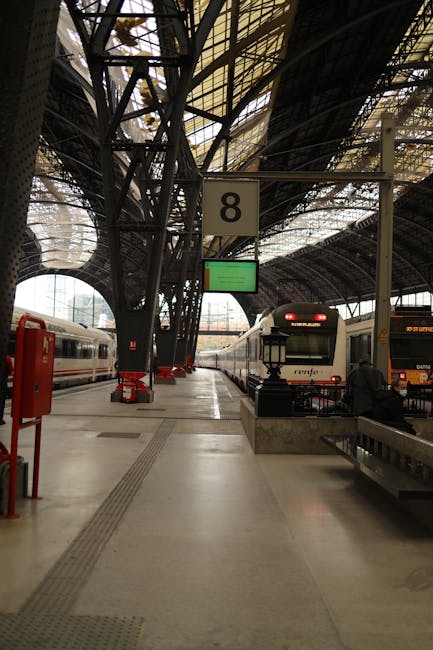
- Estación María Zambrano: Paseo de los Tilos, s/n, 29002 Málaga. Services: commuter trains (Cercanías), long-distance trains; luggage storage options sometimes available through private operators, prices vary around €4–6 per day.
Shopkeepers and tourism operators play a key role: hotels, ticket booths for the port bus (Muelle Uno), and restaurants along Paseo del Muelle Uno have received basic training to spot suspicious behavior and alert the police. At the community level, local initiatives encourage residents and businesses to quickly report unusual activities, creating a valuable neighborhood network of prevention for visitors.
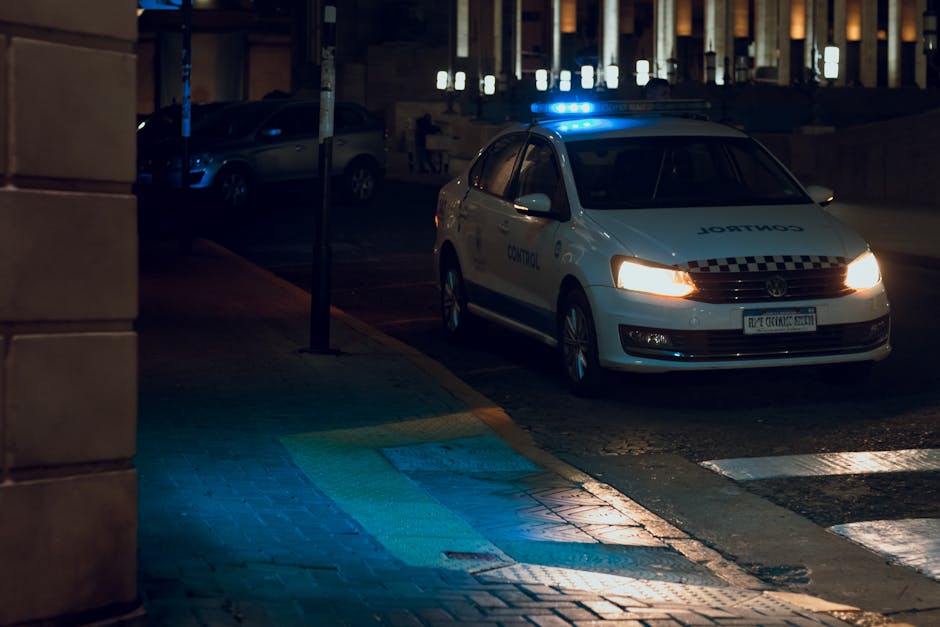
Practical Tips, Useful Addresses and Habits to Adopt in Malaga
For any traveler wanting to enjoy Malaga without hassles, a few simple rules will often greatly reduce the risk of becoming a pickpocketing victim. Here are concrete tips, along with useful addresses and information.
- Keep essentials in front of you: Use a zippered cross-body bag worn in front. Avoid keeping your phone or wallet in a back pocket. Indicative price for an anti-theft bag: €20–80 depending on quality and brand (available in many shops in the center).
- Use luggage storage: At Estación María Zambrano, ask about private lockers (approx. €4–6 per day). Many city-center hotels will also hold luggage outside of check-in/check-out times.
- Be vigilant on public transport: On Cercanías lines and EMT buses (single fare ≈ €1.30 in cash), keep bags and valuables under control. Rush hour is a high-risk period.
- Useful numbers and addresses: Policía Local Málaga – Plaza de la Constitución, s/n (number 092), Policía Nacional – central station (091), emergency 112. Malaga Tourist Office – Plaza de la Marina, s/n, opening hours often 09:00–20:00 depending on the season.
- If you are robbed: File a report with Policía Nacional (ask the tourist office for help with translation). Block bank cards immediately via your bank app or by phone. Locate or lock a smartphone using Find My iPhone / Google Find My Device.
Local tips:
- Avoid displaying valuables on busy terraces, such as those along Calle Marqués de Larios or Paseo del Muelle Uno.
- During festivals (Feria de Málaga), stay in groups and avoid back pockets; carry small bills and photocopies of important documents.
- For major purchases (jewelry, electronics), prefer official shops that provide receipts and warranties to reduce the risk of buying stolen goods.
Conclusion: Assessment and Outlook for Malaga
Pickpocketing in Malaga is an old phenomenon, closely tied to the city’s port and tourist history. Over the decades, pickpocket techniques have adapted to urban changes and to the arrival of new high-value items (notably smartphones and bank cards). Responses have been diverse and increasingly coordinated: more patrols, CCTV installation, multilingual awareness campaigns, international cooperation and practical services for travelers (lockers, hotel advice, and information from the Malaga Tourist Office).
For visitors, the key remains caution and information: know the areas where extra vigilance is advised (Calle Marqués de Larios, Muelle Uno, Mercado de Atarazanas, Estación María Zambrano), adopt simple habits (closed bag worn in front, RFID sleeves, photocopies of documents) and know where to get help (Policía Local, Policía Nacional, tourist office). Malaga’s security landscape is dynamic: the city continues investing in technological and human solutions to protect both visitors and residents. At the same time, civic education and cooperation between public and private actors remain essential to deter organized networks and reduce risks.
Finally, keep in mind that a well-prepared trip greatly reduces the chance of unpleasant incidents. Malaga remains a welcoming city, rich in heritage — the Alcazaba, Museo Picasso Málaga, beaches and the gastronomy of Mercado de Atarazanas — and most visits go smoothly. Apply the prevention tips outlined here, keep useful numbers handy (092, 091, 112), and enjoy the Andalusian atmosphere with peace of mind: vigilance doesn’t diminish the beauty of travel, it simply helps ensure you come away with the best memories.