




Introduction: Wandering Málaga Without Falling for Souvenir Traps
Wandering through Málaga means letting yourself be carried by a city that blends beaches, history, art and warm Andalusian energy. But, like any popular destination, you’ll face the lure of standardized souvenir shops, overpriced eateries around tourist sites and overblown attractions. This guide isn’t just a list of places: it gives you a walking approach, concrete waypoints (addresses, opening hours, indicative prices in euros) and local tips to fully enjoy Málaga without falling into souvenir traps. As you stroll, you’ll learn to spot genuine treasures — local food, artisanal workshops, vibrant markets, authentic viewpoints — and to avoid cheap knockoffs aimed at rushed buyers.
Let’s start with a simple principle: quality shows up in the details. A lively covered market like Mercado Central de Atarazanas (Calle Atarazanas, 10) not only sells fresh produce but also offers conversations, aromas and family-run stalls; that’s where you’ll buy garrapiñadas (candied almonds, around €3–5 a portion) or honey from the province, not imported trinkets. For art, head to institutions like the Museo Picasso Málaga (Palacio de Buenavista, Calle San Agustín, 8), with tickets from about €9 if bought online, rather than galleries selling cheap prints. For views, opt to walk up to Castillo de Gibralfaro (Camino de Gibralfaro, 11) where, for roughly €3.50–5.50, you’ll get an unrivaled panorama of the city and port — much better than the cheesy photo booth at the marina selling souvenir photos.
This guide offers wandering routes by neighborhood, precise addresses (hours and prices), food recommendations to enjoy sincere tapas and tips for finding real souvenirs — locally made espadrilles, regional ceramics, authentic bottles of Málaga moscatel — while avoiding the usual traps. You’ll also find practical advice on the best times to visit to avoid crowds (for example, visiting the Alcazaba early at 9:00), how to interact with Andalusian shopkeepers and which small artisan shops are worth a detour. Finally, there are logistical pointers: where to withdraw cash without huge fees, how to read menus, and when to steer clear of restaurants on Calle Larios or Muelle Uno that often inflate prices.
Markets, Local Products and How to Avoid Industrial Souvenirs
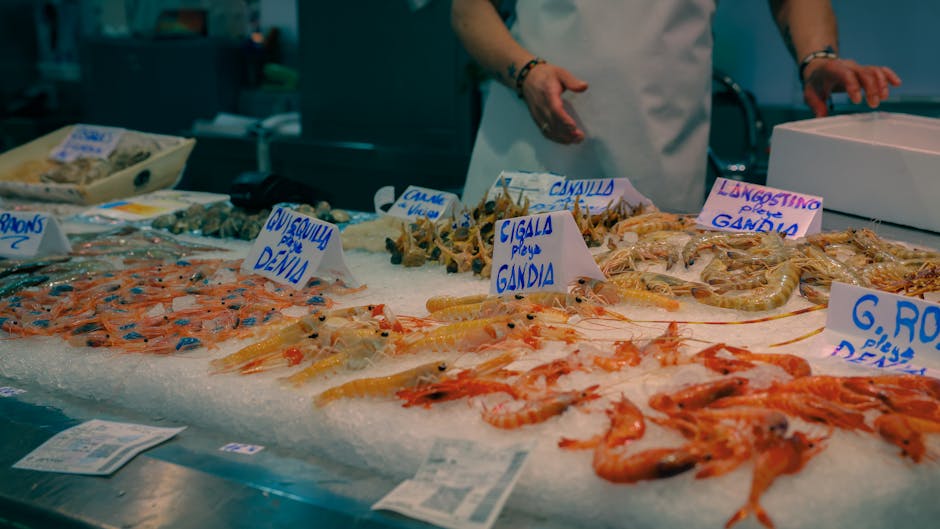
The heartbeat of any Andalusian city is its markets. In Málaga, Mercado Central de Atarazanas (Calle Atarazanas, 10) is a must-see: open Monday to Saturday, typically 08:00–15:00, free to enter and a full sensory experience. Fish stalls display the day’s catch, vegetable stands overflow with regional produce and you’ll find local specialties like pescaíto frito (fried fish) and mojama (cured tuna). Indicative prices: gilt-head bream fillets around €12–18/kg, ready-to-go paella portions €6–10 per person at a stall, garrapiñadas €3–5 per portion.
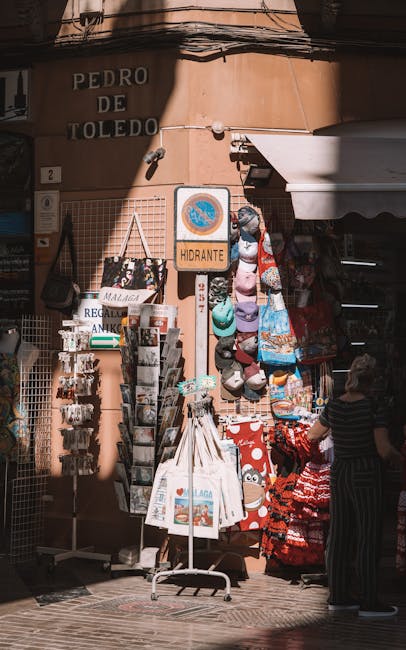
Anti-trap tip: avoid buying souvenirs at the market’s touristy entrance where magnets and postcards are sold at inflated prices. Instead, look for small shops in the side streets: traditional bakeries, spice merchants, wine shops offering moscatel de Málaga (typical bottles €6–15 depending on quality). For an authentic edible souvenir, buy sealed packets of dried figs or pimentón de la Vera and ask about origin before you buy. Honest vendors will explain where and how the product was made.
Other market/deli spots worth visiting include Mercado de Salamanca (smaller and more specialized) and the stalls near Plaza de la Merced (Plaza de la Merced, 13) where local producers sometimes sell extra-virgin olive oils (750 ml bottles €6–12) and handmade jams. If you’re after local textiles, avoid the Calle Larios shops where tourists buy synthetic scarves at high prices: head to the small haberdasheries on Calle Carretería instead, where artisans sell handmade shawls and espadrilles (handcrafted espadrilles: €20–35 depending on finish).
Art and Museums: Pick Authenticity Over Tourist Reproductions
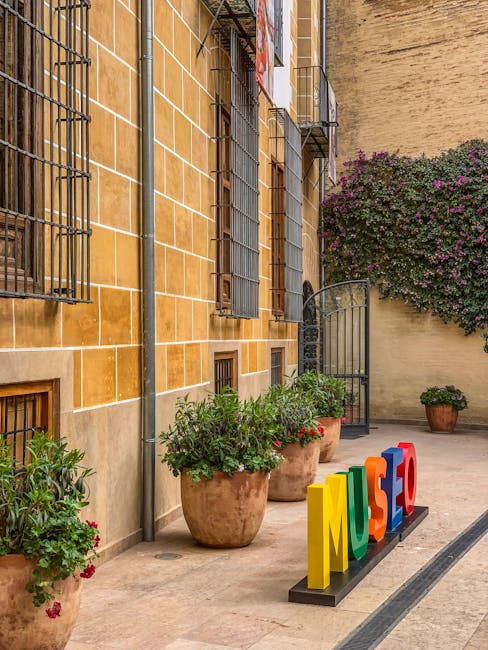
Málaga has invested heavily in culture in recent years, giving wanderers solid alternatives to tourist souvenir stalls. Museo Picasso Málaga (Palacio de Buenavista, Calle San Agustín, 8) is a prime example: usually open 10:00–20:00 (closed Tuesdays; hours vary off-season), standard prices range from €9 to €12 depending on temporary shows. Buying tickets online often saves a few euros and spares you the queue. The museum displays original works and documents, and its shop offers authorized, high-quality reproductions — a far better choice than cheap prints sold downtown.
For modern art, Centre Pompidou Málaga (Muelle Uno, Puerto de Málaga) sits on the waterfront: exact address Centre Pompidou Málaga, Muelle Uno, 29016 Málaga. Typical hours 10:00–20:00; entry about €6–9. The Pompidou Cube is visually striking and, unlike some tourist galleries, the items sold in its shop are licensed and support the exhibitions. The Centro de Arte Contemporáneo de Málaga (Calle Alemania, 13) is another interesting stop, with free entry on certain days and paid temporary shows (€3–5).
Anti-trap tip: skip the print stalls near Plaza de la Constitución selling cheap “reproductions” without rights; choose museum shops or reputable galleries. For a more intimate experience, look for artisan studios in Soho Málaga, around Calle Tomás Heredia and Calle Beatas, where small galleries sell original prints, ceramics and lithographs signed by the artist (prices vary widely, from about €20 for a small print up to several hundred euros for a unique piece).
Historic Walks and Panoramas: Alcazaba, Gibralfaro, and Hidden Lanes
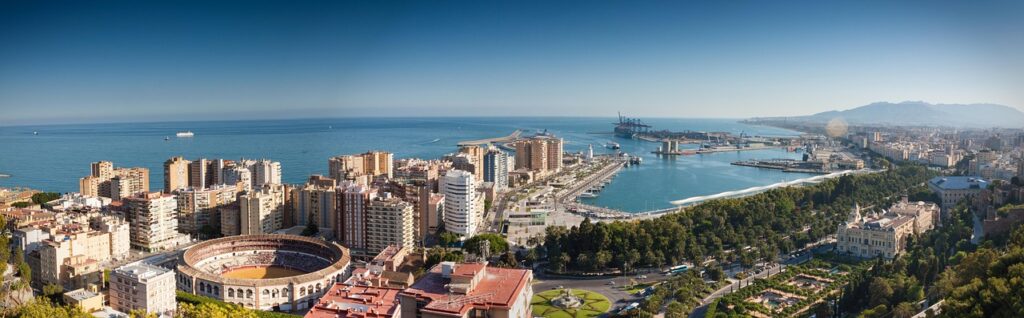
To dodge tourist traps, favor walking and historical monuments over commercial attractions. Start at the Alcazaba de Málaga (Calle Alcazabilla, 2): a Nasrid-era fortified palace, usually open from 09:00 to 20:00 in season (shorter winter hours); entry alone costs about €3.50. For a complete panoramic view, continue up to Castillo de Gibralfaro (Camino de Gibralfaro, 11): you can often buy a combined Alcazaba + Gibralfaro ticket for around €5.50; hours are similar — check online for holidays. The walk between them features shady gardens, restored towers and viewpoints over the port and the Cathedral of Málaga (Calle Molina Lario, 9), locally nicknamed « La Manquita » (the one-armed lady) because of its unfinished tower. The cathedral is generally open 10:00–18:00; visit fee around €6–8.
Practical tips: arrive early (or around 17:00 in summer) to avoid heat and crowds. Walking routes go along Calle Alcazabilla and Plaza de la Aduana; take time to step into patios and gardens that are often cool retreats. Avoid street vendors offering « professional photos »: they’ll demand €10–20 for a picture you can easily take yourself. For a nice photographic memento, look for postcards in local bookstores or, better yet, buy a professional print in a local gallery if you want a physical copy.
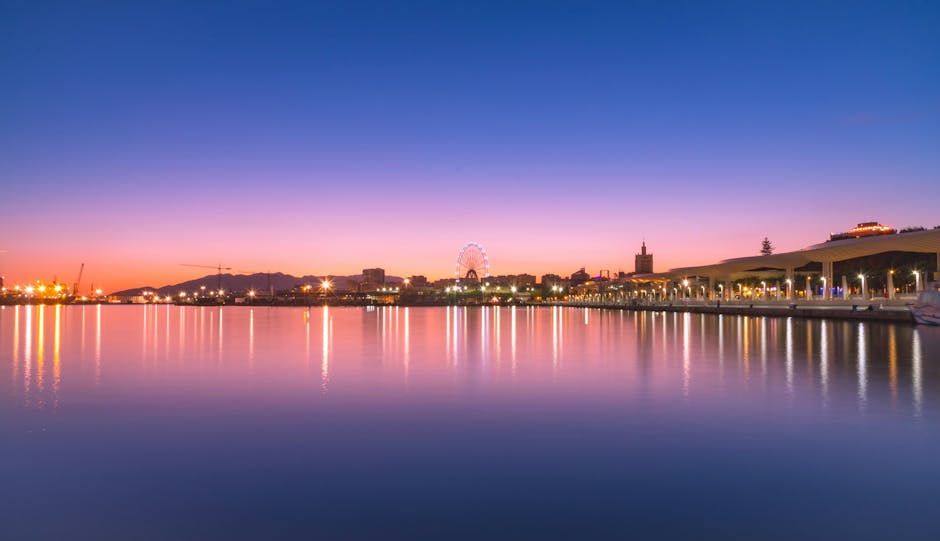
Heading down toward the port, cross the Palmeral de las Sorpresas and Muelle Uno (Muelle Uno, Puerto de Málaga) where the waterfront is pleasant for an evening stroll. Beware of quay-side restaurants that used to display inflated « tourist menus »: compare menus and favor places with local patrons and seafood displays. For an authentic stop, go to El Pimpi (Calle Granada, 62), a famous tavern where a glass of house wine usually costs €2.50–4 and the Andalusian atmosphere feels genuine rather than staged. El Pimpi’s opening hours are broad: roughly 12:00–01:00 depending on the season.
Conclusion: Buy Wisely, Keep What Matters — Souvenirs Worth the Price
Wandering Málaga without falling into souvenir traps takes a mix of curiosity, patience and common sense. Look for product origin, favor artisans and local markets, trust museums for quality reproductions and wine shops for typical bottles like Málaga moscatel. Avoid Calle Larios shops and some restaurants on Muelle Uno that charge for location more than quality. Budget-wise, expect to pay around €3–6 for a honest tapas portion, €6–12 for main museums, and €20–35 for artisan espadrilles: expenses that will give you a real keepsake rather than a disposable trinket.
Practical gestures: ask about a product’s origin, request a tasting for a wine or an oil, avoid cash-only payments when you can get a printed receipt, and check off-peak hours for visiting monuments. Remember that the best souvenir isn’t always an object: a sunset walk from Castillo de Gibralfaro, a café con leche in a shaded plaza, or a chat with a seller at Mercado de Atarazanas can be worth far more than any hastily bought bauble.
By following these tips, your wandering through Málaga will become a series of authentic discoveries, measured purchases and memorable moments — the true treasure of a well-spent trip. Have a great trip and enjoy Málaga!