





Introduction — Why transport and tourist map apps are essential in Málaga
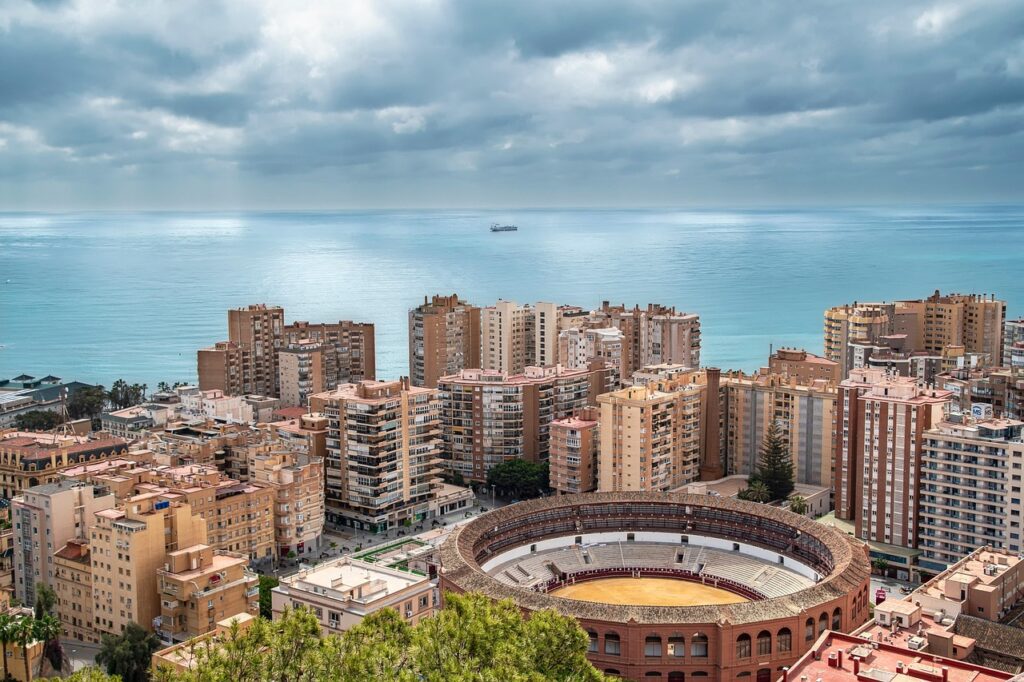
Málaga, the gateway to the Costa del Sol, is a place where Andalusian history meets Mediterranean modern life: a compact old town backed by beaches, a bustling port and hills dominated by the Alcazaba and the Castillo de Gibralfaro. For today’s traveler, getting around smartly here isn’t left to chance — it’s about the right apps. Whether you need to take the metro from the Estación de Málaga-María Zambrano, hop on an EMT bus to Playa de la Malagueta, book a taxi outside the Catedral de Málaga, or enjoy an audio tour at the Museo Picasso Málaga, a curated set of apps will make your stay smoother, cheaper and more rewarding.
In this complete guide, we break down the must-have apps for every kind of trip in Málaga: public transport (metro, buses, Cercanías), taxi and ride-hailing services, shared mobility (bikes and scooters), offline maps and interactive guides. For each solution we give practical info: where to download, how to use it, indicative prices in euros (€), usual schedules, exact addresses for key points and local tips to avoid lines and rookie mistakes. We also share tricks for combining multiple apps — for example using a mapping app to plot a route, a bus app to buy a ticket and an audio guide app to enrich your walking tour of the historic center.
Whether you’re here for a short weekend or a longer stay, these apps will help you make the most of your time: plan a morning trip from the Estación de Autobuses de Málaga (terminal) to the Alcazaba, check live whether bus 1 stops at Plaza de la Marina, or pre-book a hop-on hop-off ticket to explore the coast. We round out this guide with recommendations for visits (museums, beaches, viewpoints), exact addresses and typical opening times so you can sync your route and visits without surprises.
Finally, this guide includes tried-and-tested local tips: times to avoid the tourist rush (typically 11:30–14:30 and 18:00–20:00), budget-friendly alternatives for families, charging points for electric bikes and official taxi ranks. Price estimates in euros are indicative — fares change — but they’ll give you a baseline for budgeting your trips. Get your smartphone ready, install these apps and let Málaga reveal itself one step at a time.
Essential apps for public transport and how to use them
Public transport in Málaga includes the metro, the municipal EMT Málaga buses, and Renfe Cercanías commuter trains. To optimize your movement, three apps cover the essentials: Metro de Málaga (official app), EMT Málaga (official app) and Renfe Cercanías (or the Renfe Viajeros app). Here’s how to use them in practice.
- EMT Málaga (official app) — The city authority runs this app to buy electronic tickets, check real-time schedules and track buses. Useful address: Oficina Central EMT, Calle Cuarteles, 14, 29015 Málaga. Indicative prices: single ticket bought on board ~€1.30; multi-ride card (bonobús 10 viajes) ~€7.10 (approximate, subject to updates). Typical service hours: most daytime lines run from 06:00 to 23:00; night lines marked “N” operate between 23:00 and 03:00 depending on the route.
- Metro de Málaga — Covers the line between Centro Alameda, El Perchel–María Zambrano and Universidades. Key stations: El Perchel–María Zambrano (Estación Maria Zambrano, Plaza de la Libertad, s/n, 29002 Málaga), Avenida de Andalucía. Prices: single ticket around €1.30–€1.40 depending on zones; rechargeable card available at stations. Hours: generally 06:00–23:30 (closing time varies by day).
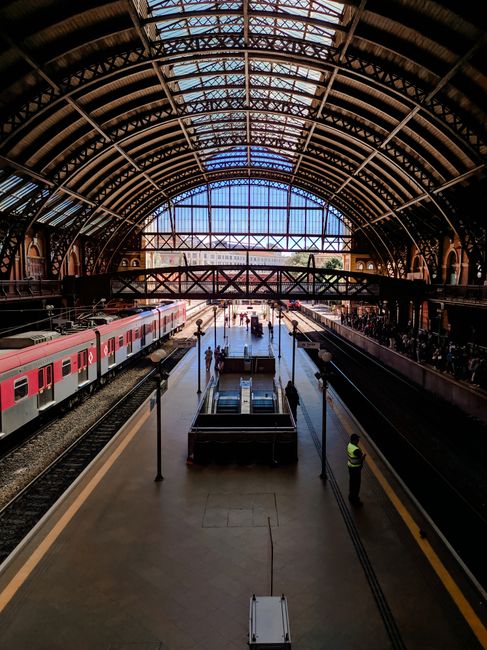
- Renfe Cercanías (C1/C2) — Fast connection between the airport, Estación Málaga-María Zambrano (Plaza de la Libertad, s/n, 29002 Málaga) and central stations. Price: airport-to-city journey ~€1.80–€2.70 depending on destination. Hours: trains every 20–30 minutes, often from 05:30 to 23:30. The Renfe Viajeros app lets you buy tickets, check delays and get real-time timetables.
Practical tips: enable “arrival” notifications for your stop in the EMT and Renfe apps; download offline maps of the metro and bus lines to avoid wasting roaming data. If you’re traveling in a group or with family, compare the total cost of single tickets with tourist travel cards (see the tourist cards section). Also, most major stations have tourist information desks (Turismo Costa del Sol) that hand out free paper maps and advise on shuttle services.
Shared mobility apps (taxis, ride-hailing, bikes and scooters): safety, prices and best practices
In Málaga, shared mobility complements public transport perfectly, especially late at night or when heading up to places like the Castillo de Gibralfaro (Camino de Gibralfaro, s/n, 29016 Málaga). Here are the most useful apps along with price and safety pointers.
- Cabify — Widely used in Spain, Cabify lets you book a chauffeur-driven car. Indicative price: city center → airport ~€18–€28 depending on traffic; immediate pickup or pre-booking available. Advantage: secure in-app payment and business options.
- Bolt — Often cheaper than Cabify for short rides. Estimated price: from the Catedral de Málaga (Calle Molina Lario, 9, 29015 Málaga) to Playa de la Malagueta (Paseo de la Farola, s/n, 29016 Málaga) around €5–€9. App available in English and Spanish.
- Taxi Málaga (official apps and ranks) — Official taxis recognized by the city: regulated fares, a flagfare (pickup fee) usually around €1.60–€2.00 and then a per-kilometre rate. Official ranks include Plaza de la Marina, Estación de Autobuses de Málaga (address at the bus station). Tip: always ask for the vehicle number and check the meter.
- Shared bikes and scooters — Apps like Free2Move or local providers offer electric bikes and e-scooters. Indicative pricing: unlock fee ~€1; per-minute rate ~€0.15–€0.25. Pickup/drop-off zones often around the port (Muelle Uno), Alameda Principal and Paseo del Parque.
Safety and best practices: prefer official VTCs at night, check the vehicle registration and the driver’s first name shown in the app. For scooters and bikes, always wear a helmet (some services provide one occasionally, but it’s safer to bring your own) and park in designated zones to avoid fines. If you plan to head into the hills (Gibralfaro), avoid two-wheelers in wet weather — roads are narrow and winding.

Mapping apps & interactive guides: offline maps, walking routes and audio tours
To explore Málaga on foot — what most visitors do in the historic center — mapping apps and audio guides turn a casual stroll into a meaningful, well-structured experience. Here are the apps to know and how to use them on the ground.
- Google Maps — Essential for multimodal routes (bus+walk, train+bus), business and opening-hour info. Advantages: downloadable offline maps, travel time estimates, integration with Cabify/Bolt to book a ride. How to use: download the “Málaga Centro” area (including Alcazaba, Picasso Museum, Cathedral) so you can navigate without a connection. Point of interest: Museo Picasso Málaga, Calle San Agustín, 8, 29015 Málaga.
- Maps.me — Offline open-source maps great for hiking the Caminito del Rey (50–60 km from Málaga). Advantage: accurate GPS, walking trails and integrated POIs. Ideal if you have no mobile data.
- Rick Steves Audio Europe / izi.TRAVEL / Guruwalk — Audio guides and walking tours. izi.TRAVEL offers local audio guides (some free, others paid around €2–€5). For example, a “Centro Histórico de Málaga” audio route will take you through the Alcazaba, Calle Larios, Plaza de la Constitución with geolocated commentary.
- Citymapper / Moovit — Moovit works well in Málaga for planning trips that combine bus, tram and walking. Citymapper has more limited coverage but offers quick alternatives and real-time info where available.
Tips and tricks: enable the “avoid stairs” or “accessible” option if you have a stroller or heavy luggage; use the “Save” lists to bookmark your favorite restaurants (for example Mercado de Atarazanas, Calle Atarazanas, 10, 29005 Málaga) and return to them easily; combine Google Maps for navigation with izi.TRAVEL for historical narration. Download maps before you head out: mobile connection can be spotty in shaded alleys of the center or around Castillo de Gibralfaro.

Tourist passes, combination tickets and apps to save time — budgeting and organizing
If you want to see as much as possible in as little time as you can, some apps bundle skip-the-line tickets, museum passes and unlimited transport for a set period. Here are the most-used options in Málaga and how they fit into a realistic plan.
- Málaga Tourism App / Málaga City Pass (third-party apps) — These apps often sell combined passes that include entry to major sites (for example Museo Picasso Málaga, Alcazaba, Automobile Museum) and sometimes unlimited access to hop-on hop-off sightseeing buses. Indicative prices: Málaga City Card 24h ~€18; 48h ~€26; 72h ~€34 depending on inclusions. Always check the list of covered attractions.
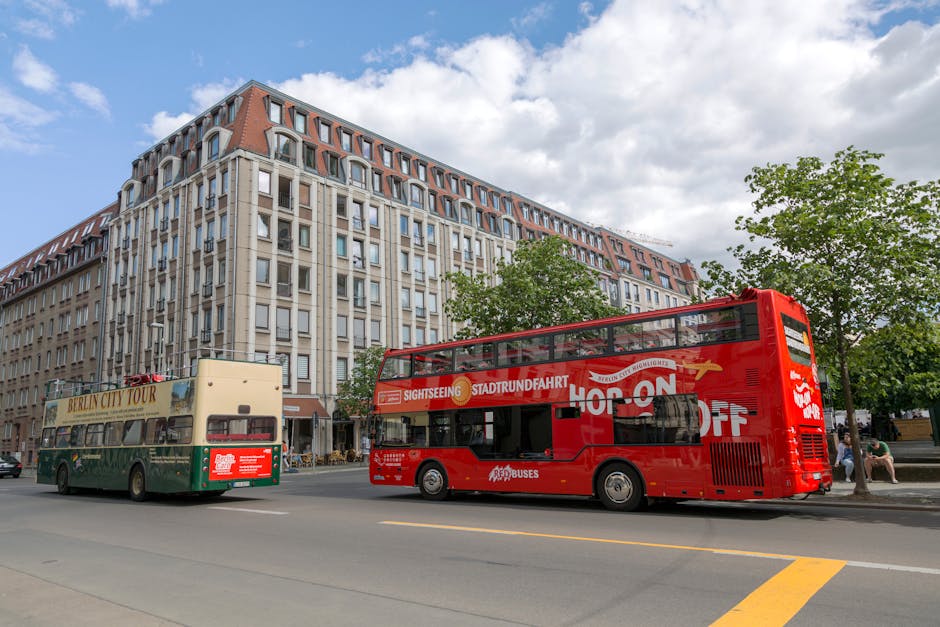
- City Sightseeing Málaga (Hop-on Hop-off) — Double-decker sightseeing bus with multilingual audio. Tickets: adult ~€18 for one day; child (4–12) ~€9. Hours: typical departures between 10:00 and 18:00, frequency ~30–45 min. Key stops: Muelle Uno (Port of Málaga), Plaza de la Marina, Paseo del Parque.
- Skip-the-line tickets and museum reservations — For the Museo Picasso Málaga, Calle San Agustín, 8 (typical hours 10:00–18:00, closed some Mondays, adult ticket ~€9–€12), buy via the museum’s official app or reputable platforms to avoid queues. For the Alcazaba (Calle Alcazabilla, 2), there’s often a combined Alcazaba + Castillo de Gibralfaro ticket offered ~€5–€6.
Planning tips: split your day by neighborhoods — morning for museums and monuments (Alcazaba, Catedral de Málaga), lunch at Mercado de Atarazanas (Calle Atarazanas, 10), afternoon on La Malagueta beach, sunset at Mirador de Gibralfaro. Use a trip-organizing app (Google Trips, TripIt) to group reservations and tickets. Also, if you stay more than 48 hours, calculate whether a transport pass is worth it: sometimes buying single tickets is cheaper if you walk a lot.
Local tips, mistakes to avoid and recommended routes with apps
Málaga is a city best discovered on foot, but using apps will save you from common mistakes. Here are concrete tips, pitfalls to avoid and three suggested itineraries (short, medium, long) combining apps and transport.
- Common mistakes: not downloading an offline map (risk losing signal in narrow alleys), confusing the sightseeing bus with EMT buses (different companies), accepting rides from unregistered taxis (always ask to see ID). Always double-check the exact pickup address in the app and set the meeting point on the map.
- Useful local tips: the streets around Calle Larios are pedestrianized and very busy between 11:00 and 15:00; schedule museum visits early in the morning to avoid crowds; for a great viewpoint, reach the Mirador de Gibralfaro at sunset (accessible by EMT bus line 35 or a VTC; steep walk but exceptional panoramas).
- Short route (3–4 hours) — Historic center on foot: use Google Maps or izi.TRAVEL for a self-guided audio tour from Catedral de Málaga, Calle Molina Lario, 9 → Museo Picasso Málaga, Calle San Agustín, 8 → Alcazaba, Calle Alcazabilla, 2. Total walking time ~30–45 min. Tip: buy the combined Alcazaba + Castillo ticket in the app to save time.
- Medium route (one day): morning at the Museo Carmen Thyssen Málaga, Calle Cister, 10, 29015 Málaga (typical hours 10:00–18:00, ticket ~€9–€10), lunch at Mercado de Atarazanas, afternoon at Playa de la Malagueta, evening at Paseo del Muelle Uno, Port of Málaga. Use EMT for beach-port connections; the EMT and Google Maps apps are essential.
- Long route (2–3 days): include an excursion to the Caminito del Rey (book via the official site, ticket ~€10–€18 depending on options), visit the Centre Pompidou Málaga (Muelle Uno, ticket ~€9–€11), and climb up to Castillo de Gibralfaro. Book Renfe Cercanías trains for out-of-town access and use a sightseeing bus app for an overview.
In short, rely on a combination: Google Maps/Maps.me (maps), EMT/Metro/Renfe (transport), Cabify/Bolt (occasional rides) and izi.TRAVEL or audio guides (culture). Download maps, enable notifications and always have a backup (a taxi number, a nearby bus stop). With these tools and routes you’ll get the most out of Málaga with peace of mind.

Conclusion — Put apps to work for a successful stay in Málaga
Málaga is made for connected travel: compact, rich in sights and well served by modern digital services. By combining apps for public transport (EMT Málaga, Metro de Málaga, Renfe Cercanías), shared mobility (Cabify, Bolt, scooters/bikes), offline maps (Google Maps, Maps.me) and interactive audio guides (izi.TRAVEL), you’ll save time and stress. The prices shown (bus tickets ~€1.30, city passes ~€18–€34, sightseeing bus ~€18) are useful benchmarks for budgeting — but check live fares in the apps, as pricing policies can change.
Final practical tips: install and test the apps before you travel or as soon as you arrive in Málaga, download offline maps and enable location services. Prioritize booking for popular museums (Museo Picasso Málaga, Alcazaba + Castillo), and only buy combination passes if your itinerary includes enough attractions to make them worthwhile. Also, keep a paper copy or screenshots of key addresses: Museo Picasso Málaga, Calle San Agustín, 8, 29015 Málaga; Alcazaba, Calle Alcazabilla, 2, 29015 Málaga; Catedral de Málaga, Calle Molina Lario, 9, 29015 Málaga; Estación Málaga-María Zambrano, Plaza de la Libertad, s/n, 29002 Málaga; Playa de la Malagueta, Paseo de la Farola, s/n, 29016 Málaga. These reference points will save you from searching around in the street.
Using apps isn’t just about convenience — it’s a way to take control of your time and experiences. With a bit of organization — ticket reservations, map downloads, route planning — Málaga will unfold at a pace that suits you, between strolls along the port, whitewashed alleys and sunset panoramas from Gibralfaro. Have a great trip and enjoy the Andalusian charm!