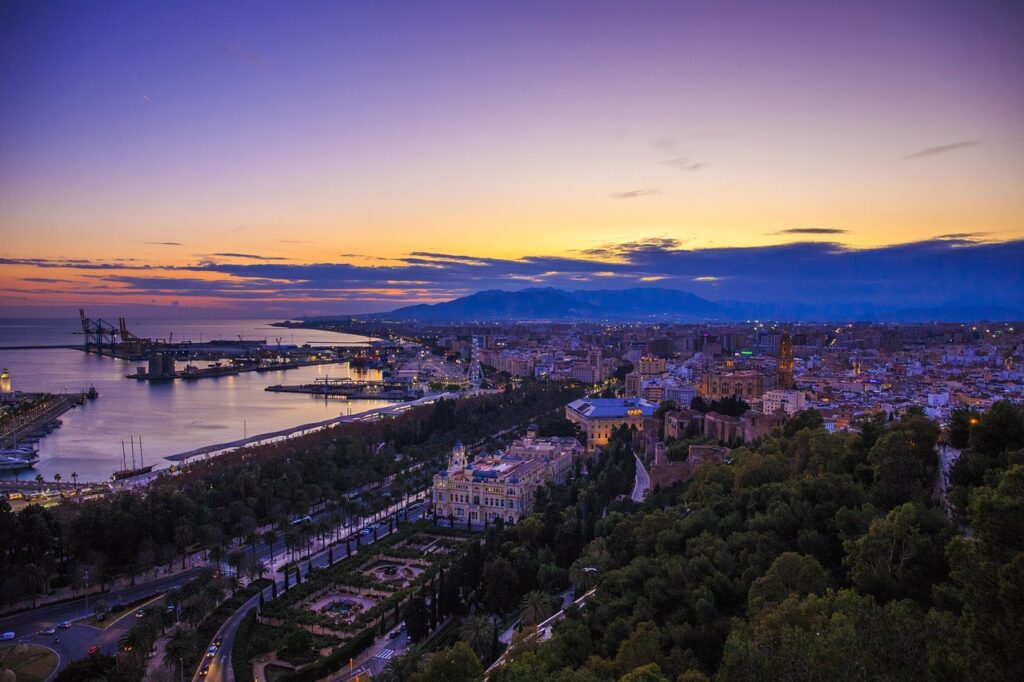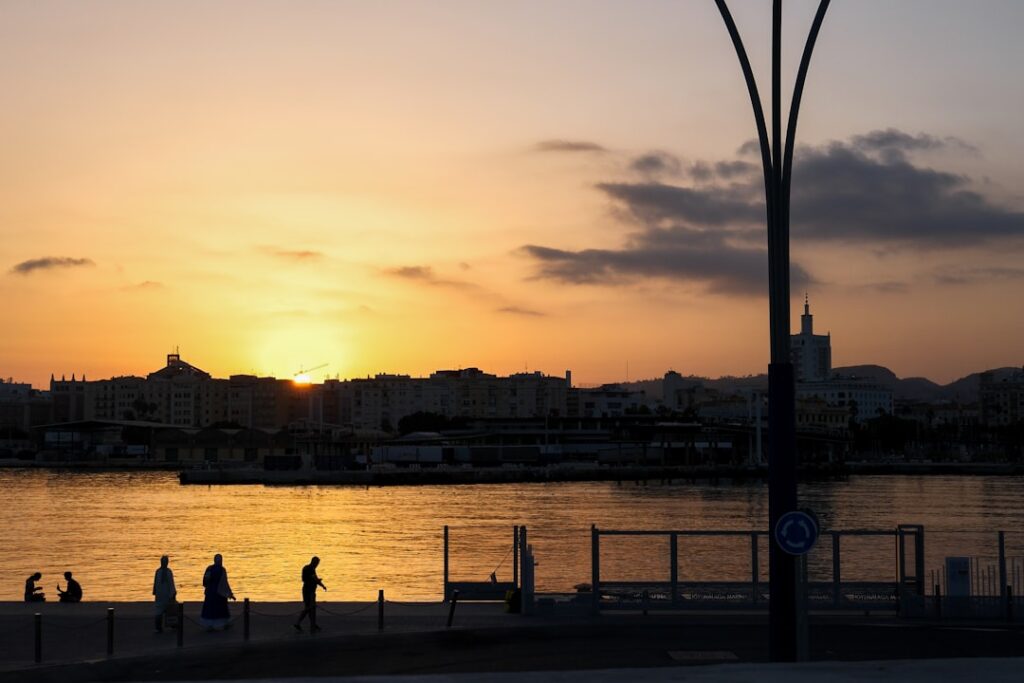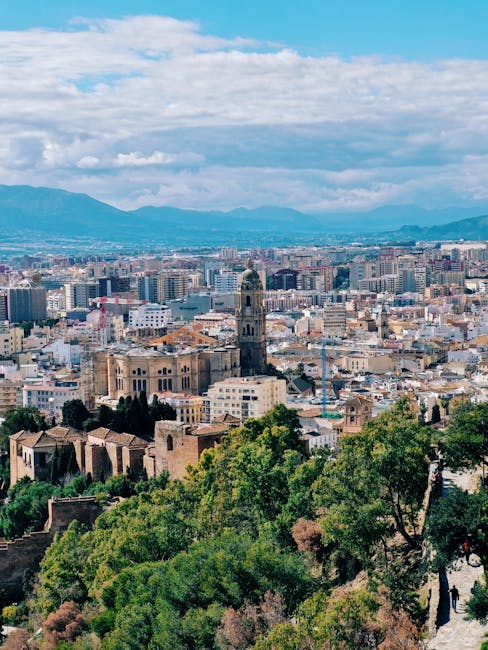






Introduction: Discover Málaga Without the Stress
Málaga is an Andalusian city where centuries of history mingle with a bustling maritime life, Mediterranean cuisine and contemporary art. For the savvy traveler, it offers compact, safe routes that let you see the essentials without rushing—so you can enjoy authentic experiences with no surprises. This guide focuses on practical, secure itineraries for visiting Málaga’s must-sees: how to organize your days, the best times to go, which tickets to buy in advance, which areas to avoid at night, and how to adapt your movements when traveling with family or solo.
We’ll map out walking routes and short public-transport links between key sites: the Alcazaba and Castillo de Gibralfaro, Málaga Cathedral, the Museo Picasso Málaga, Mercado Central de Atarazanas, Muelle Uno and the Centre Pompidou Málaga, plus La Malagueta beach. For each spot you’ll find the exact address, prices in euros, usual opening hours, an immersive description and practical tips—like the quietest times to visit, which access points are wheelchair-friendly, where to leave luggage, and how to avoid lines.
This general guide does more than list sights: it offers safe sequences you can do on foot or using short shuttles/public transport, local tips (best stalls at the market, terraces worth reserving, photo spots with fewer crowds) and simple safety precautions (heat protection, pickpocket prevention, emergency services info). Málaga gets very busy in summer; planning ahead and knowing off-peak alternatives turns a hectic visit into a relaxed stroll.
Whether you stay 24 hours or several days, this guide helps you build balanced days: a cultural morning, a relaxed market lunch, an afternoon siesta or seaside free time, and a panoramic late afternoon. We also include practical details like typical opening times for each attraction, ticket prices (listed in euros) and full addresses to help with bookings or on-site lookups. The aim: maximize your experience while minimizing stress.
1) Historic Walk: Alcazaba, Roman Theatre and Castillo de Gibralfaro
Start your day in the historic center to enjoy the soft morning light and avoid the heat and crowds. The route below is designed to be accessible and safe, sticking to main paved paths and official viewpoints.
Alcazaba de Málaga
– Name: Alcazaba de Málaga
– Address: Calle Alcazabilla, 2, 29012 Málaga, España
– Usual hours: April–September 09:00–20:00; October–March 09:00–18:00 (may close on some public holidays).
– Price: Combined ticket Alcazaba + Castillo de Gibralfaro €5.50; Alcazaba entry included in the combo (indicative price). Reduced rates for students and seniors (check on site).
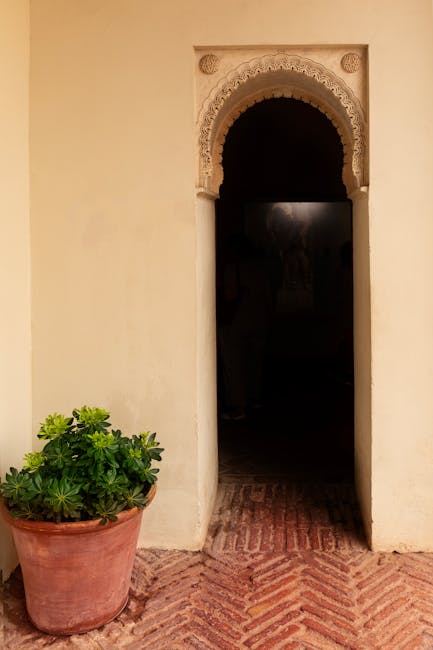
Immersive description: The Alcazaba is an 11th-century Moorish fortress with terraces and gardens that look out over the port and the cathedral. Ochre walls, arches and shaded patios help keep things cool; walking slowly lets you appreciate the stone textures, mosaics and sheltered corners. Main routes are well signposted and suitable for guided tours—avoid straying into unauthorized alleys. The ticket office by the main entrance can be bypassed by buying the combined ticket online to save time.
Teatro Romano de Málaga
– Name: Teatro Romano de Málaga
– Address: Plaza de la Aduana, s/n, 29015 Málaga, España (located at the foot of the Alcazaba)
– Hours: Exterior access 24/7; guided visits vary according to cultural programming.
– Price: Free to view from outside; guided visits may be ticketed depending on the schedule (prices vary).
Immersive description: The Roman Theatre plunges you straight into Málaga’s ancient past. The stone seating and adjacent forum complement a visit to the Alcazaba. In the morning light, the cracks and reliefs in the stone really stand out—great for photos. Stay on marked paths and respect signage—some areas are fragile.
Castillo de Gibralfaro
– Name: Castillo de Gibralfaro
– Address: Camino Gibralfaro, 11, 29016 Málaga, España
– Hours: April–September 09:00–20:00; October–March 09:00–18:00.
– Price: Individual castle entry €3.50; combined Alcazaba + Castillo option €5.50 (indicative).
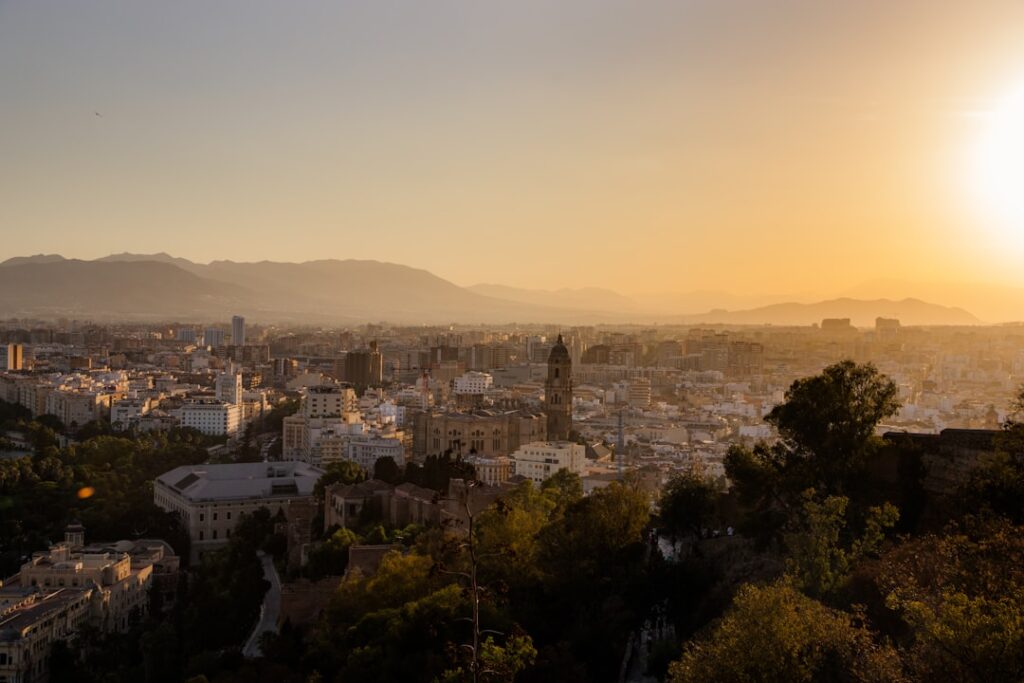
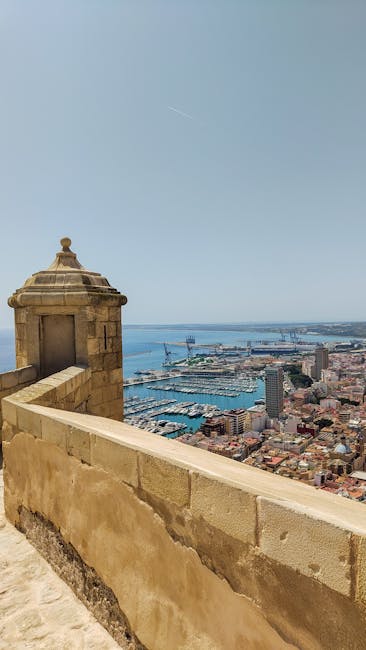
Immersive description: Walk up via the Caminito or take the municipal shuttle 35 from Paseo del Parque if you want to avoid the climb. Castillo de Gibralfaro sits atop a hill with sweeping views over Málaga, the bay and the mountain range. The ramparts are wide and easy to walk, with shaded spots and benches. Sunset visits are spectacular, but expect more people and cooler temperatures in the evening.
Safety and logistics tips: Wear sturdy shoes for cobbles, carry water (public fountains are seasonal), buy the combined ticket online to skip the line, plan the climb early in the morning or late afternoon for best light, and use the shuttle if you have mobility issues. Avoid less-frequented areas after dark—stick to marked trails and open spaces.
2) City Center, Art and Food: Museo Picasso, Cathedral and Mercado de Atarazanas
Málaga’s center is compact and very walkable: combining museums and the market gives you a solid taste of the city. This route prioritizes safety by staying on monitored, busy pedestrian streets with regular rest and hydration stops.
Museo Picasso Málaga
– Name: Museo Picasso Málaga
– Address: Calle San Agustín, 8, 29015 Málaga, España
– Hours: Tuesday–Sunday 10:00–19:00; closed Monday (times may vary by exhibition).
– Price: General admission €12.00; reduced €7.00 (youth, seniors, groups; free entry for residents at certain times—check schedule). Online tickets recommended to avoid queues.
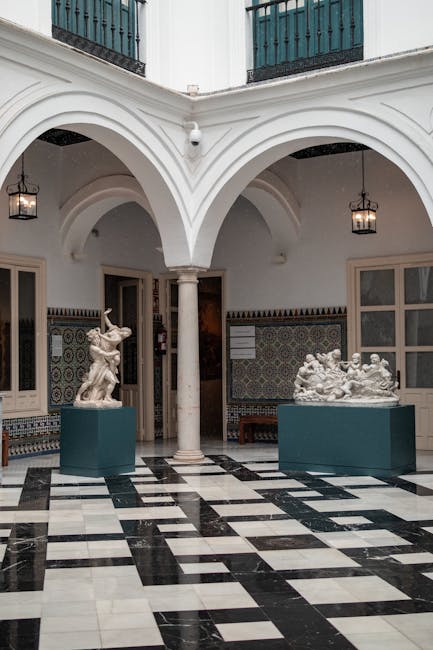
Immersive description: Housed in the Palacio de Buenavista, the museum traces Pablo Picasso’s career through a permanent collection and rotating exhibitions. Rooms are air-conditioned—perfect for a cooling break—and the route is clearly signed. Staff are multilingual and audio guides are available. For photos with fewer people, aim for opening time.
Catedral de Málaga (La Manquita)
– Name: Catedral de Málaga (Santa Iglesia Catedral Basílica de la Encarnación) — nicknamed “La Manquita”
– Address: Calle Molina Lario, 9, 29015 Málaga, España
– Hours: Tourist visits 10:00–18:00 (times vary on worship days).
– Price: General entry €8.00; audio guide €3.00 extra; reductions for students and seniors (indicative prices).
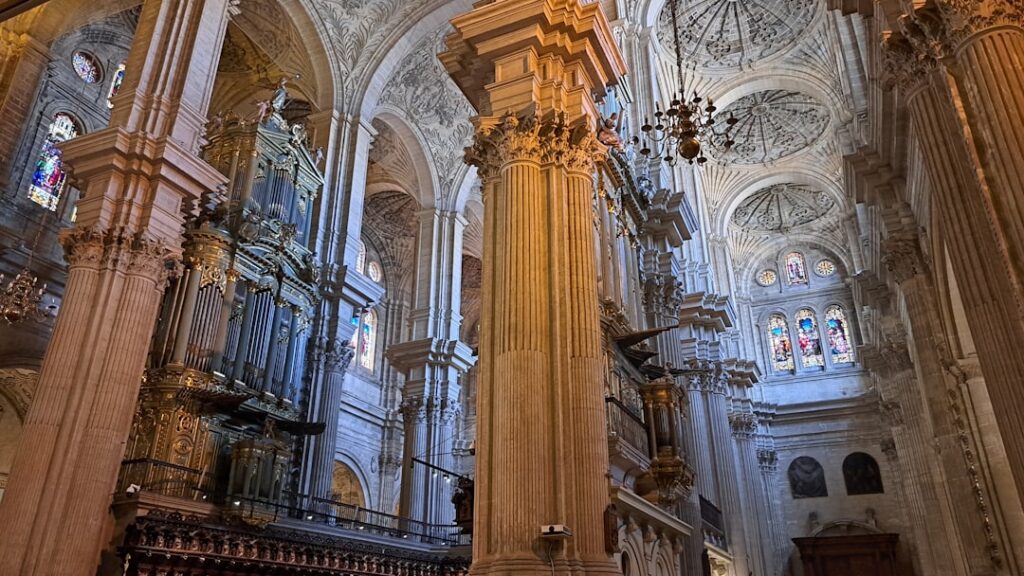
Immersive description: The cathedral impresses with its nave, altarpieces and sacristy. The nickname “La Manquita” comes from its unfinished tower, giving it a unique silhouette. Take time to study the sculptures and stained glass, and if possible, go up to the terrace (separate paid access depending on the cathedral’s policy) for views over the historic streets.
Mercado Central de Atarazanas
– Name: Mercado Central de Atarazanas
– Address: Calle Atarazanas, 10, 29005 Málaga, España
– Hours: Monday–Saturday 08:00–15:00 (closed Sunday; some stalls open early in the morning).
– Price: Free entry; product prices vary (tapas at stalls roughly €2.50–€6.00 depending on the dish).
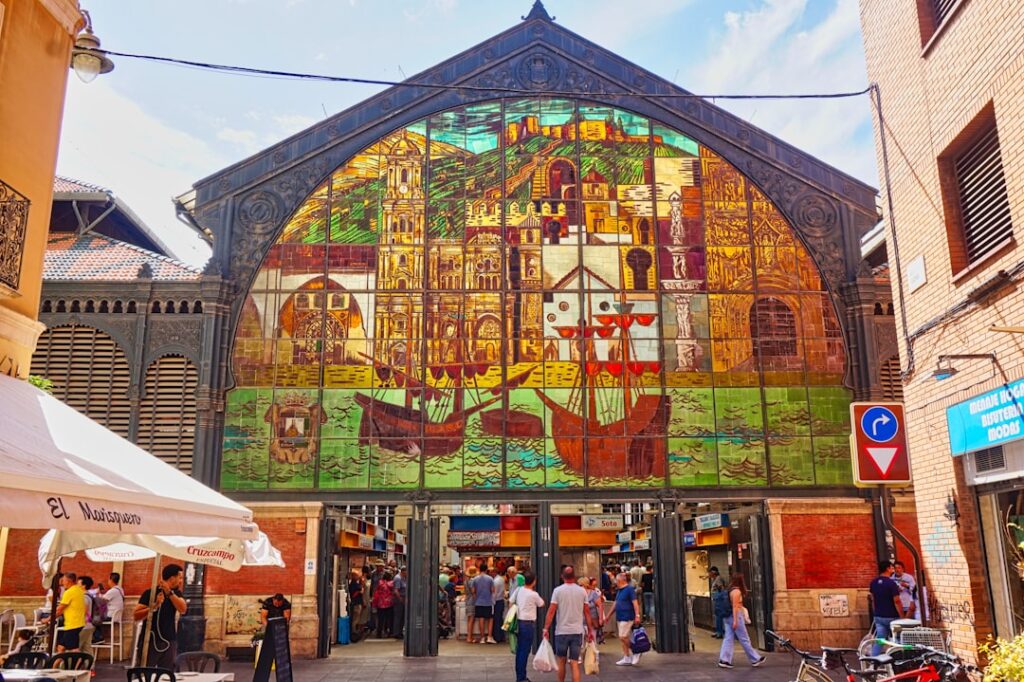
Immersive description: The market is full of smells—grilled fish, spices and fresh fruit. It’s the perfect place for a local lunch: fried calamari, pimientos de padrón, espetos de sardinas (sardine skewers) near the waterfront. Stalls are easy to spot; when it’s busy, avoid showing valuables and don’t wear your bag on your back. Look for the well-known fish stalls in the central hall and the tapas counters along the sides.
Practical tips: Book Museo Picasso Málaga and Cathedral tickets online if you’re visiting in high season. For lunch at Mercado Atarazanas, arrive between 12:00 and 13:30 to avoid the busiest period. The pedestrian streets around Calle Larios are lively but well-patrolled and remain safe during the day. ATMs are available but prefer card payments to minimize carrying cash.
3) Coast, Port and Contemporary Art: Muelle Uno, Centre Pompidou Málaga and Playa La Malagueta
The port area and the beach are perfect for a relaxing afternoon after a cultural morning. This route runs along the waterfront at Muelle Uno, with options for museums and swims. These areas are well-equipped and secure, with surveillance and plenty of shops.
Muelle Uno and Centre Pompidou Málaga
– Name: Muelle Uno (commercial port and promenade) — Muelle Uno, Puerto de Málaga, 29016 Málaga, España
– Centre Pompidou Málaga – Name: Centre Pompidou Málaga (a branch of the Centre Pompidou in Paris)
– Centre Pompidou address: Pasaje Doctor Carrillo Casaux, s/n, Muelle Uno, 29016 Málaga, España
– Centre Pompidou hours: Tuesday–Sunday 11:00–20:00; closed Monday (times may vary by exhibition).
– Centre Pompidou price: General admission €9.00; reduced rates available (indicative).
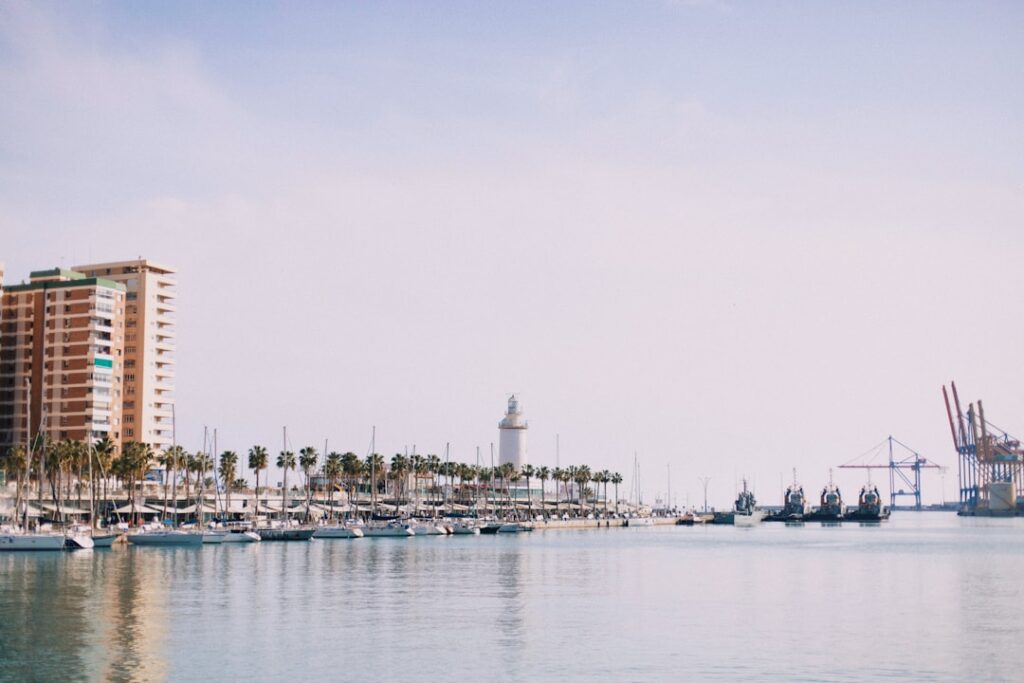
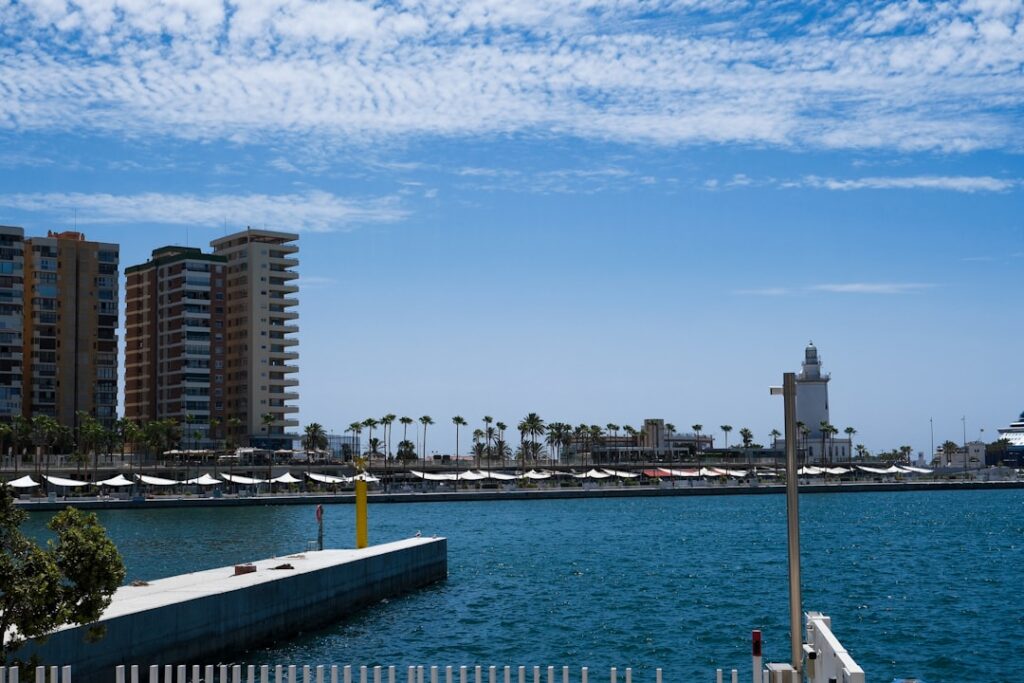
Immersive description: Muelle Uno is a tidy seaside promenade with shops, restaurants and views of the boats. The colorful Centre Pompidou Málaga stands out and hosts modern art exhibitions. Inside, enjoy the air-conditioned galleries, grab a coffee on the terrace and take in the port view. The Muelle Uno walkways are wide and well-lit, with staff and cameras providing security in the evenings.
Playa La Malagueta
– Name: Playa La Malagueta
– Address: Paseo de Reding, s/n, 29016 Málaga, España
– Access: Public beach, free of charge.
– Services: Public showers, sun lounger and umbrella rentals (prices vary, about €6–€12 per lounger depending on season), lifeguard posts during summer season.
Immersive description: La Malagueta beach is just minutes on foot from the center and the port. The sand is fine and the water often calm. For a pleasant swim, aim for late morning or late afternoon to avoid the busiest midday hours (14:00–16:00). Tourist areas near Paseo de Reding are well watched, but keep your belongings secure (consider luggage storage or lockers at María Zambrano station if you’re carrying valuables).
Practical tips: If you want to combine a museum and the beach, start at the Centre Pompidou to beat the afternoon heat, and finish with a swim at sunset. Muelle Uno restaurants offer varied menus—look for places serving espetos de sardinas for a local touch. The sidewalks and promenade are stroller- and wheelchair-friendly; the beach sometimes has wooden access paths to the shore.
4) Getting Around, Safety and Local Tips for a Trouble-Free Stay
Málaga is easy to explore on foot, but it’s useful to know safe transport options and local habits to reduce stress. This section covers mobility choices, safety recommendations, useful services and tips to optimize your time.
Recommended transport and routes
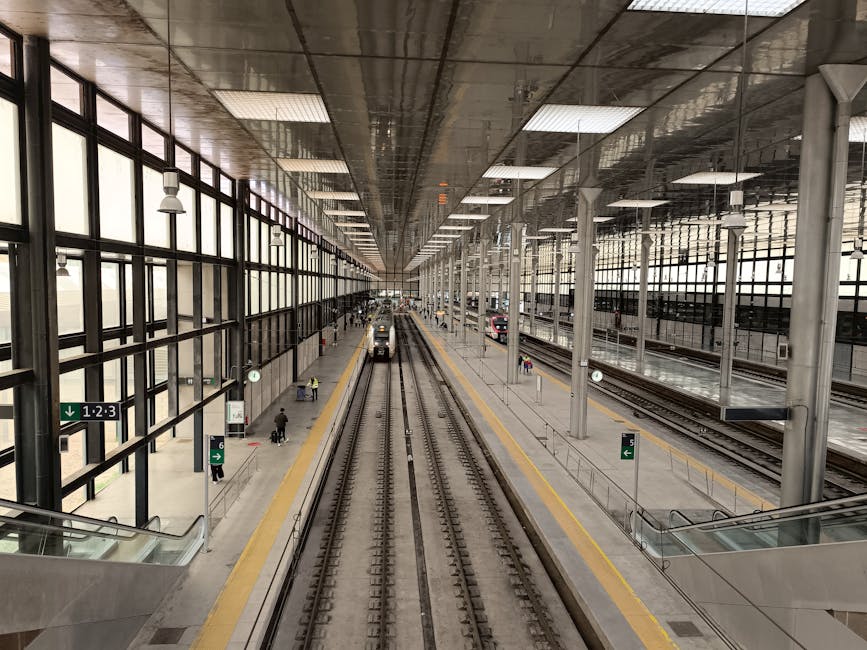
– Main station: Estación de Málaga-María Zambrano — Address: Calle Explanada de la Estación, s/n, 29002 Málaga, España. This station connects to national high-speed AVE trains and local metro lines (line 1). It’s a central, safe spot to drop luggage or change trains.
– City buses: EMT Málaga operates frequent lines. Single tickets cost about €1.30–€1.40 if bought on board (prices vary). The C1 line (airport train) links Málaga-Costa del Sol Airport with María Zambrano station and the city center (about €1.80 per trip).
– Taxis and ride-hailing: Official taxis are white with a green stripe and use a meter. Fares start around €3.50 plus a per-kilometer rate (variable). Ride-hailing services (Uber/Bolt) are also available. For safety, order through the app and check the vehicle plate before you get in.
General safety and prevention
– Pickpockets: As in any tourist city, pickpockets operate in busy spots: Calle Larios, bus stops, beaches and markets during peak times. Keep valuables in an inner pocket or a closed anti-theft bag; don’t leave your phone face-up on a table at the market.
– Nighttime: Málaga is generally safe at night in tourist areas (historic center, Muelle Uno). For extra peace of mind, stick to well-lit, lively streets and take a taxi if you’re returning late. Avoid isolated alleys and quiet zones after midnight.
– Health and climate: In summer (June–August) temperatures often exceed 30 °C. Bring a hat, sunscreen and a reusable water bottle. Winter nights can be cool—usually a light jacket is enough. In an emergency, call 112 (European emergency number).
Practical services and local tips
– Luggage and storage: If you need to drop luggage for a few hours, check storage options at María Zambrano station or private services in the city center (prices vary, about €5–€10 per bag for a few hours).
– Maps and tickets: Buy tickets online for Alcazaba+Gibralfaro, Museo Picasso Málaga and Centre Pompidou Málaga to avoid queues. Many sites offer timed slots—choose early morning for Alcazaba and Castillo, and late afternoon for the port and beach.
– Best times to visit: Spring (March–May) and autumn (September–October) offer pleasant weather and fewer tourists. If you travel in July–August, book accommodation and museum tickets well in advance.
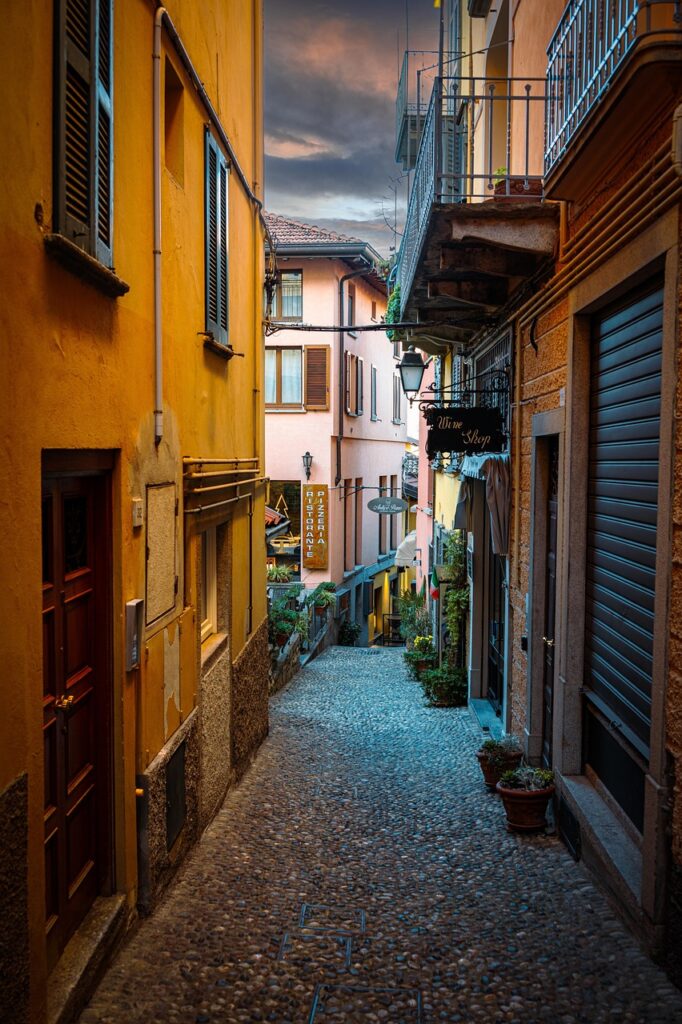
Final tip: Make a simple daily plan—cultural morning, local lunch, afternoon rest/beach, evening at the port. That balances walking and relaxation and reduces stress by staying in well-served, populated areas. If you have specific needs (reduced mobility, small children), mention them when booking—many monuments offer accessible access and adapted services.
Conclusion: Enjoy Málaga with Confidence
Málaga truly shines when you explore it slowly, following logical routes, taking regular breaks and booking busy sites in advance. The suggested plan—morning at the Alcazaba and Castillo de Gibralfaro, late-morning museum or cathedral visit, lunch at Mercado de Atarazanas, afternoon at Muelle Uno, Centre Pompidou and La Malagueta beach—combines culture, food and relaxation without overloading your day. The exact addresses, hours and prices in this guide will help you plan your days and avoid lines or surprises.
Safety and comfort come from preparation: buy tickets online, pack appropriate clothing, know official taxi routes and use María Zambrano station for connections. Also respect local rhythms—the lunch break can be late and siestas are still common—so you can enjoy less-busy terraces later in the afternoon. The pickpocket prevention advice, tips for avoiding peak times and luggage solutions let you focus on the experience, not the hassles.
Finally, leave room for spontaneity: a tempting side street, a tapas bar recommended by a vendor, a sunset from Castillo de Gibralfaro. Málaga rewards calm curiosity. By following these safe itineraries and practical recommendations, you’ll savor the city’s historical, artistic and culinary riches without stress. Have a great trip and enjoy discovering Málaga—embrace the Andalusian pace, take breaks and savor every moment.