





Introduction — Malaga for a weekend: the big choice between the historic center and the new port area
Malaga is a Mediterranean city where centuries of history meet fresh urban renewal. For a weekend, one of the most common decisions is whether to dive into the historic center — whitewashed alleyways, Andalusian patios, landmarks like the Alcazaba and the Cathedral — or to soak up the vibe of the new port area — Muelle Uno, modern cultural venues like the Centre Pompidou Málaga, a seaside promenade and restaurants with sea views. Each option delivers a distinct vibe: the intimacy and heritage-heavy feel of the old town versus the fresh sea air, modern terraces and the buzz of the port.
This detailed guide is designed to help you make an informed choice and make the most of a weekend (48–72 hours) in Malaga. You’ll find practical info: full place names, exact addresses, indicative prices in euros, typical opening hours, immersive descriptions and down-to-earth local tips. Rather than depending on a simple gut feeling, this guide gives a balanced look at both sides — historic center and port area — with suggested routes, visit ideas and dining, lodging and transport recommendations.
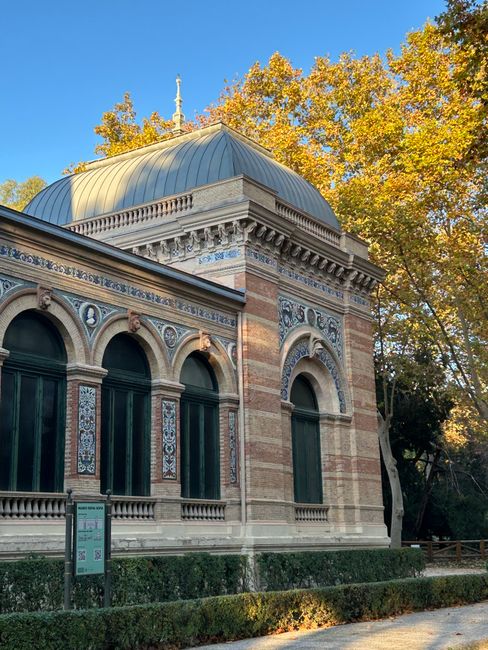
The historic center is the city’s beating heart: Calle Marqués de Larios, Plaza de la Constitución, the dazzling Cathedral of the Incarnation (commonly called Málaga Cathedral), the Mercado Central de Atarazanas, and major museums (Museo Picasso Málaga in the Palacio de Buenavista, the Centre of Contemporary Art). The narrow streets are packed with cafés, craft shops and azulejos, perfect for wandering. By contrast, the new port area — now a leisure and cultural hub — offers Muelle Uno (the port-side boulevard), the colourful Cube of the Centre Pompidou Málaga, terraces overlooking cruise ships, water activities and a developed promenade linking La Malagueta beach to the harbour.
This guide includes sample itineraries tailored to different interests: deep heritage immersion, a modern maritime experience, or a smart mix of both for a well-balanced weekend. You’ll also get practical details (entry fees, opening times, exact addresses), tips to avoid queues and make the most of the best visiting hours, plus local suggestions (best times to visit the Alcazaba, where to try espetos, how to get around by bike or taxi). To help visual planning, image markers point out key scenes worth photographing or adding to your travel notebook.
The historic center: heritage immersion, addresses and a recommended route
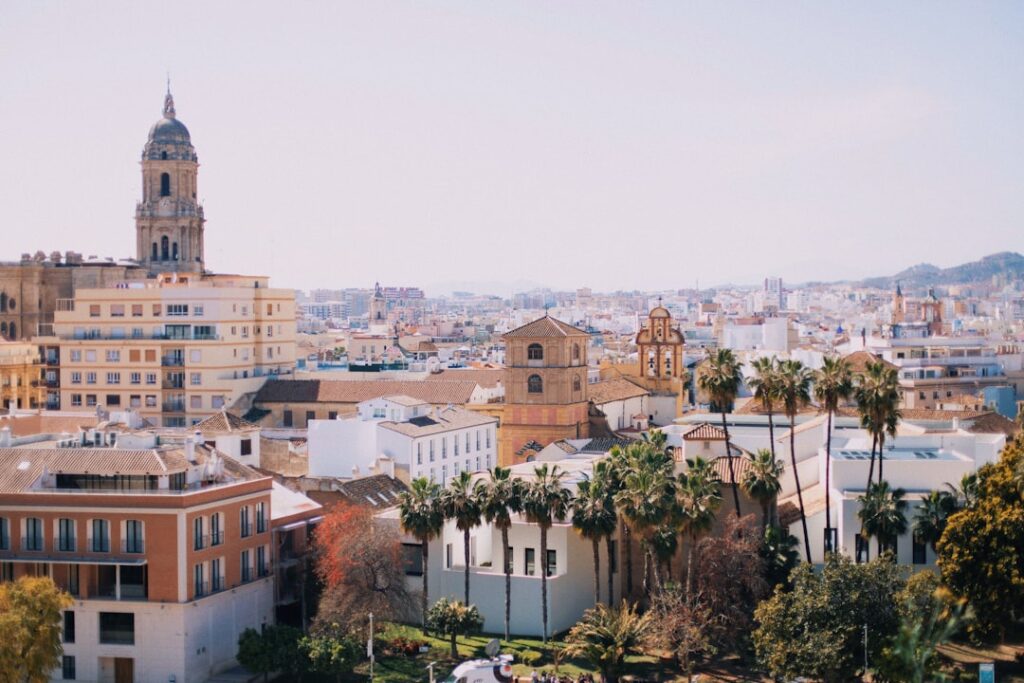
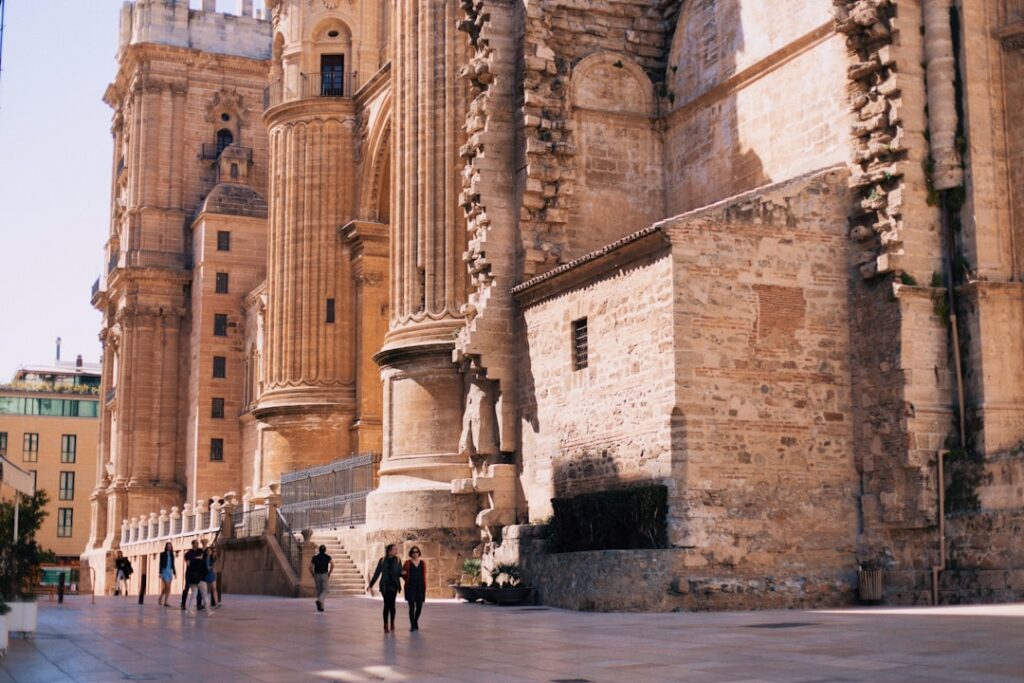
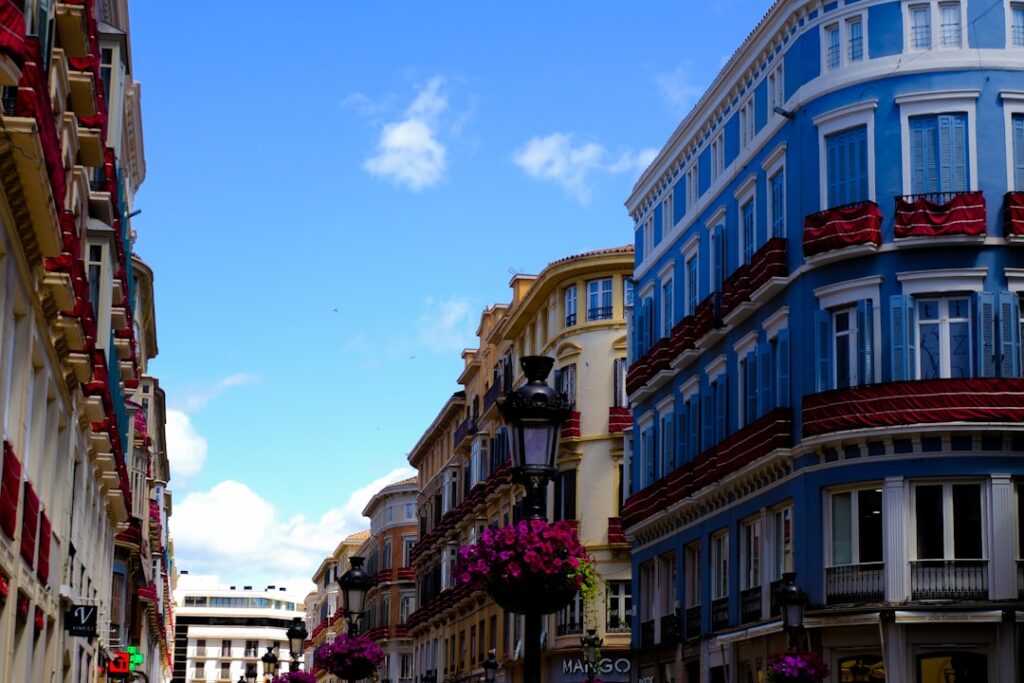
Malaga’s historic center concentrates Andalusian architectural heritage and old-town atmosphere. Start on Calle Marqués de Larios (Calle Marqués de Larios, 20, 29015 Málaga) — the iconic pedestrian high street — and stroll down to Plaza de la Constitución. Don’t miss Málaga Cathedral (Calle Molina Lario 9, 29015 Málaga). Typical opening times: 10:00–18:00 (may be closed or have reduced hours on some days; check before you go). Indicative entry price: around €6.00 for the basic visit, with an audio guide available for roughly €3–5 extra. Inside you’ll be struck by the luminous nave and the unfinished south tower, nicknamed “La Manquita”.
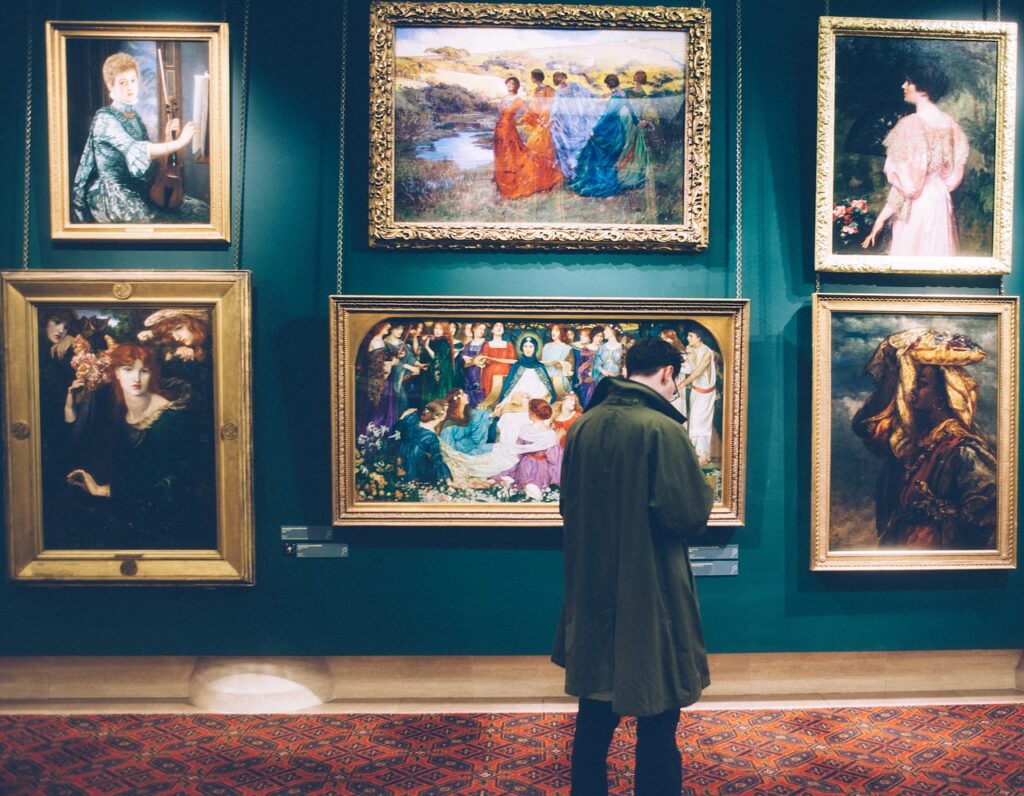
A short walk away is the Museo Picasso Málaga, housed in the Palacio de Buenavista (Calle San Agustín 8, 29015 Málaga). Opening hours: Tuesday–Sunday 10:00–19:00, closed on Monday. Indicative price: €12.00 for a standard ticket. The museum displays a chronological collection of Pablo Picasso’s works — Picasso was born in Malaga — inside a beautifully restored Renaissance palace. Book online on weekends to skip the queue.
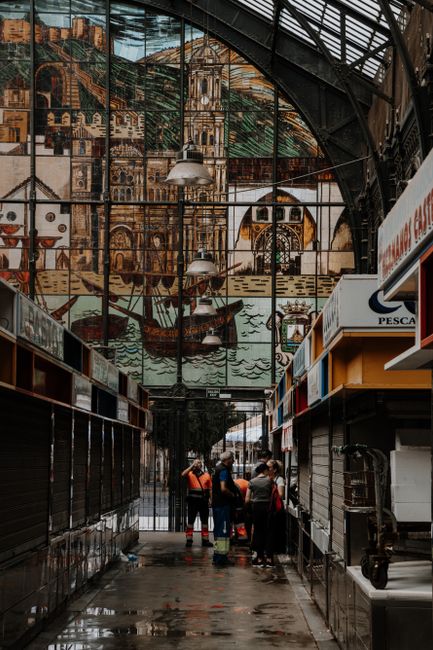
For a local market experience, Mercado Central de Atarazanas (Mercado Central de Atarazanas, Calle Atarazanas 10, 29005 Málaga) is a must. Opening hours: Monday–Saturday 08:00–15:00. You’ll find fish stalls, charcuterie, fresh produce and small tapas bars. Prices: a tapa or a small takeaway portion can range from €2.50 to €8.00 depending on the stall. Local tip: arrive around 10:00 for maximum buzz but before the busiest hours.
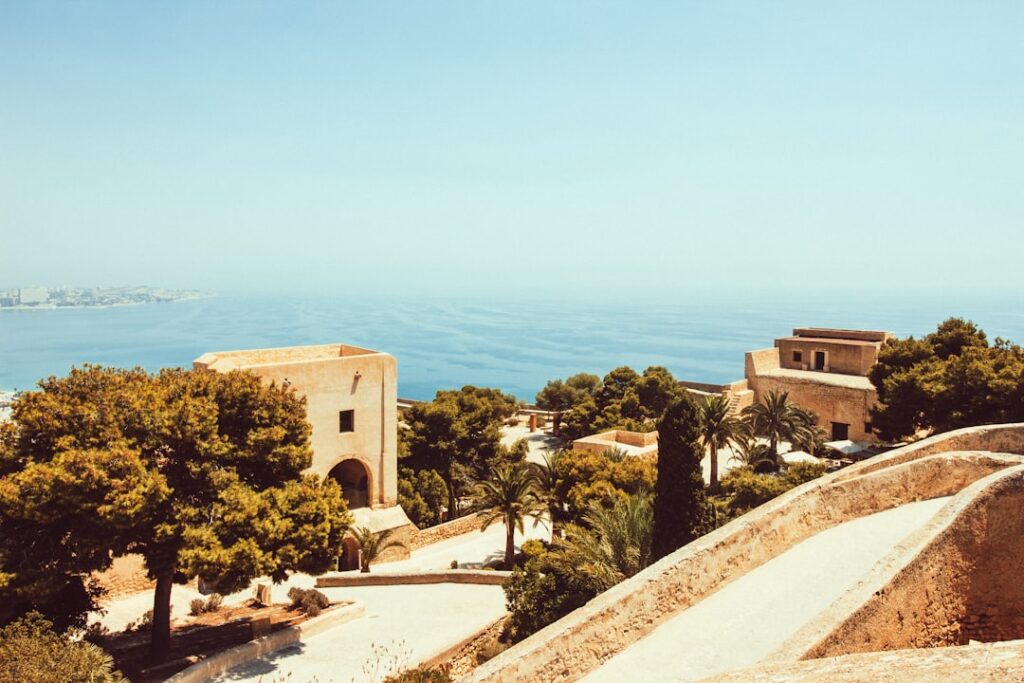
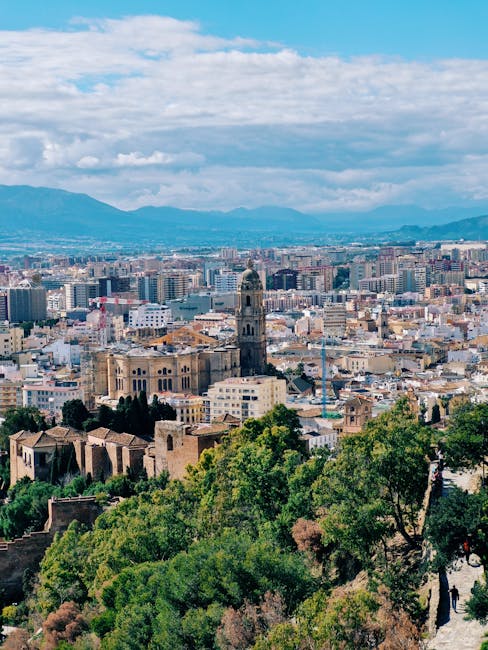
Continue your morning with the Alcazaba (Calle Alcazabilla 2, 29012 Málaga), an 11th‑century Nasrid fortress. Opening hours: 09:00–20:00 in high season; combined tickets for the Alcazaba + Castillo de Gibralfaro start around €5.50–€8.00 depending on promotions. The Alcazaba offers gardens, patios and city views; then head up to Castillo de Gibralfaro (Camino Gibralfaro s/n, 29016 Málaga) for an exceptional panoramic outlook. Late afternoon is a great time to visit for golden light and cooler temperatures in summer.
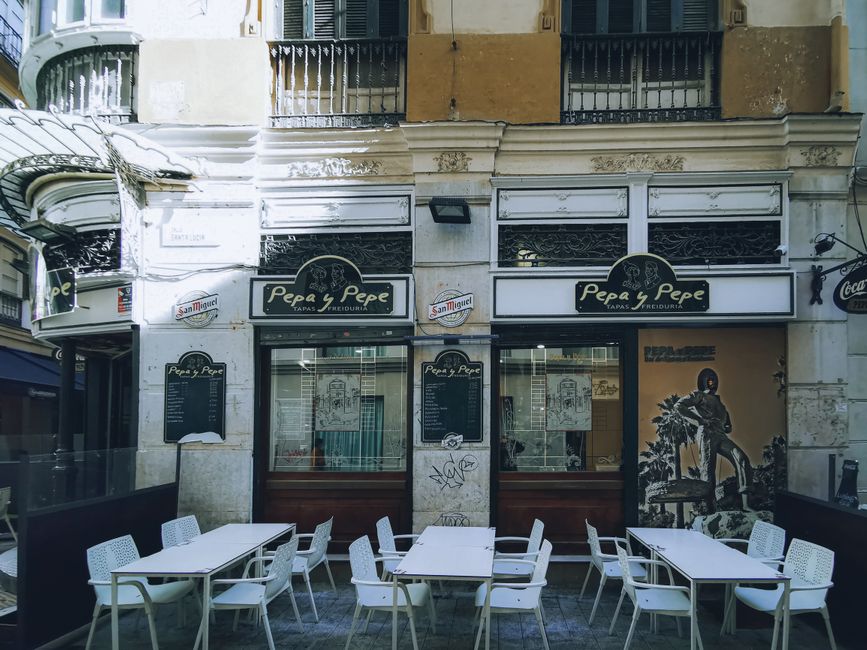
The center also overflows with great food spots: El Pimpi (Calle Granada 62, 29015 Málaga) is a historic bodega famed for its atmosphere, tapas and local wines — dishes range from €8.00 to €25.00; opening hours 12:00–00:00. Casa Lola (Calle Granada 46, 29015 Málaga) offers modern tapas; La Tranca (Calle Carretería 92, 29008 Málaga) is a classic, friendly tapas bar. For something sweet, try local churros or an horchatería depending on the season.
Practical tips for the historic center
- Opening hours: Most monuments open from about 09:00–19:00/20:00. Museums often close on Mondays (with some exceptions).
- Tickets: Buy tickets online for the Picasso Museum and Alcazaba/Castle to avoid weekend lines.
- Getting around: The center is very walkable — wear comfortable shoes for cobblestones.
- Taxis: Main taxi stand near Plaza de la Marina; a ride from María Zambrano train station is roughly €8–12 depending on traffic.
- Best time: Early morning to avoid summer heat and crowds.
The new port area (Muelle Uno and surroundings): modern culture and the sea
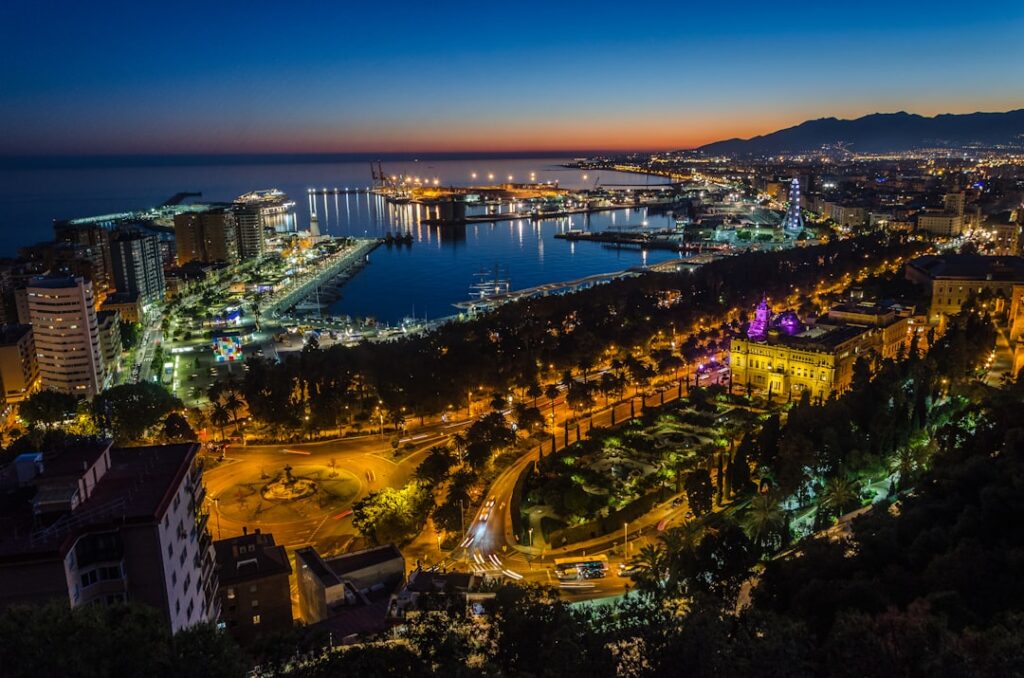
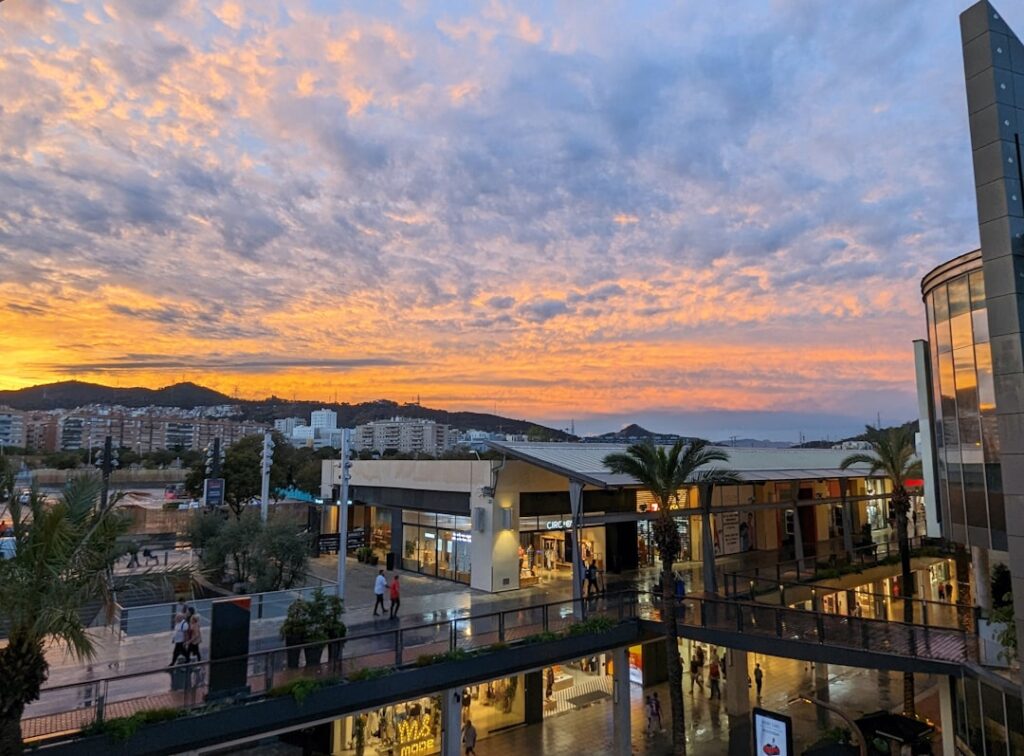
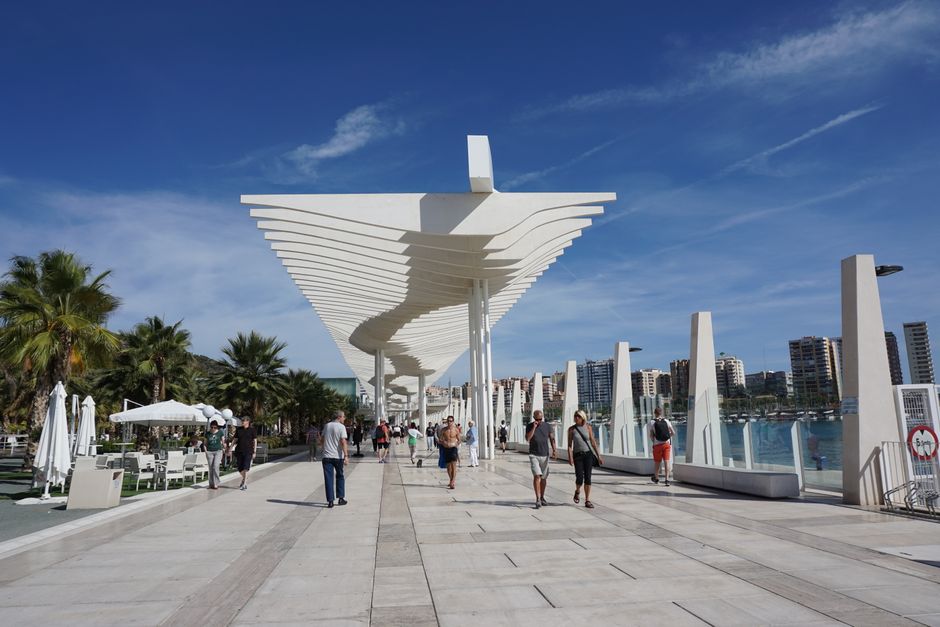
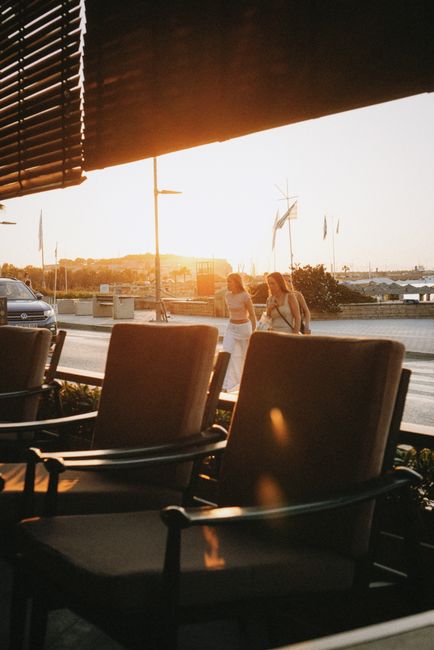
Malaga’s revamped port area has been transformed over recent decades into an attractive hub blending leisure, contemporary culture and seaside dining. Muelle Uno (Puerto de Málaga, Muelle 1, 29016 Málaga) is a waterfront promenade lined with shops, restaurants and terraces. It’s a perfect spot in the late afternoon and evening — especially for watching the sunset over the bay. Regular events, markets and free concerts are held here, particularly in high season.
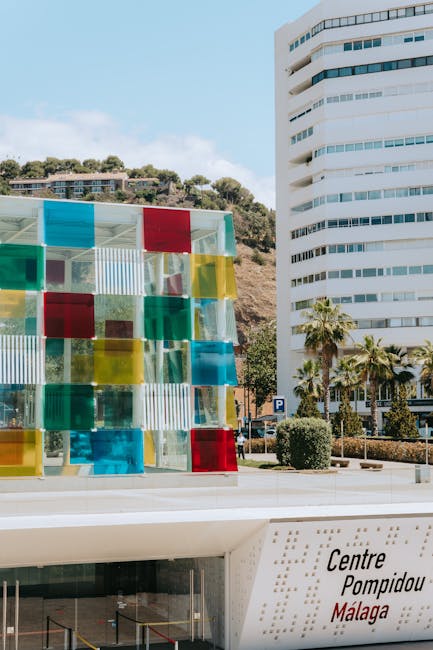
The Centre Pompidou Málaga occupies a colourful cube at Muelle Uno — officially Centre Pompidou Málaga (Muelle Uno, Plaza de la Marina 5, 29001 Málaga). Opening hours: 10:00–20:00; indicative ticket price: €9.00 for a standard admission. The Cube’s architecture is instantly recognizable and hosts rotating shows of modern and contemporary art. Nearby, the Centre of Contemporary Art (CAC Málaga, Calle Compañía 12, 29008 Málaga) is a contemporary art space that often offers free entry; typical hours are about 10:00–20:00.
The port also runs small cruises, paddleboard rentals and boat trips. Prices: short coastal cruises (about 1 hour) cost between €10.00 and €20.00 per person; paddleboard rentals are roughly €15.00–€25.00 per hour depending on the operator. Offers are often available directly on the pier in high season or via online booking. For dining, Muelle Uno features well-known places such as El Balneario (Paseo Marítimo Pablo Ruiz Picasso s/n, 29016 Málaga), serving seafood and fish dishes (main courses €15.00–€35.00). The seaside paseo continues toward La Malagueta beach (Paseo Marítimo Pablo Ruiz Picasso s/n, 29016 Málaga) — ideal for a quick swim or sunbathing.
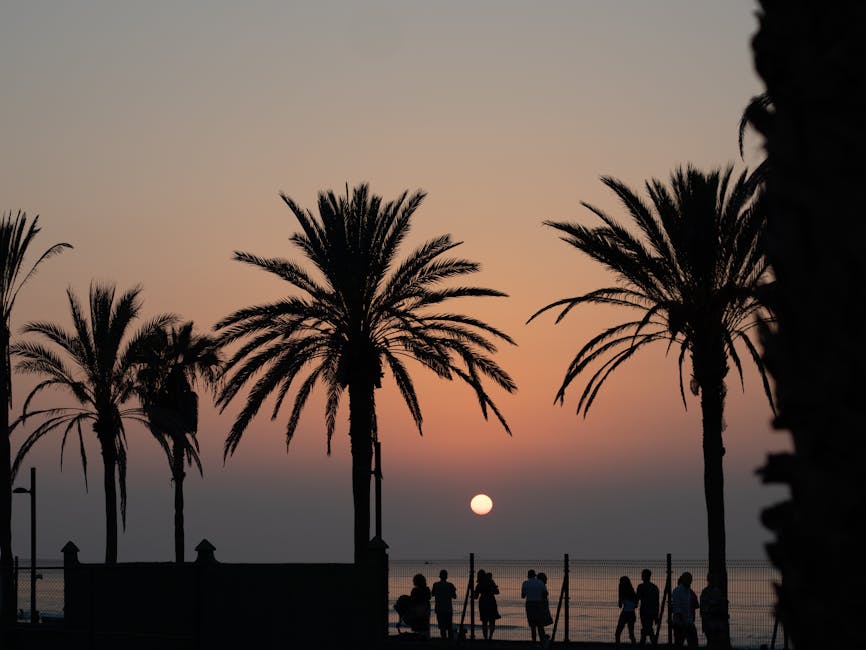
The revamped port also includes Muelle de Levante and the Palmeral de las Sorpresas area, with green spaces, playgrounds and even a Ferris wheel at certain times of year. It’s a pleasant area for families and travelers who want a mix of relaxation and modern culture. The port is an easy walk from the historic center (15–25 minutes) or a short taxi ride (€5–8). Bike lanes connect the port to the old town and beaches, and bike/e‑bike rentals are available (about €20–€30 per day).
Practical tips for the port area
- Opening hours: Shops and restaurants tend to open later and often stay open until midnight or 01:00 in summer.
- Cultural tickets: Centre Pompidou recommends booking online at the weekend; CAC Malaga frequently offers free entry.
- Water activities: Book morning slots for calmer seas; avoid windy afternoons in July–August.
- Parking: Paid parking is available at Muelle Uno (rates vary; expect about €2–3/hour); public transport or taxis are often more convenient.
- Vibe: Perfect for a romantic sunset dinner or a relaxed evening stroll after museum visits.
Combining the historic center and the port in one weekend: routes, addresses and budgets
A perfect weekend in Malaga can (and often should) combine the best of both worlds: a morning in the historic center followed by an afternoon and evening at the port. Here’s a sample 48‑hour itinerary with addresses, hours and estimated costs to help you plan.
Day 1 — Morning: historic center
- 09:00–10:30: Visit Málaga Cathedral (Calle Molina Lario 9). Entry approx. €6.00.
- 10:45–12:30: Museo Picasso Málaga (Palacio de Buenavista, Calle San Agustín 8). Entry approx. €12.00. Tip: online tickets often cost €10–12 outside temporary exhibitions.
- 12:30–14:00: Lunch at Mercado Central de Atarazanas (Calle Atarazanas 10) — budget €10–20 per person.
Day 1 — Afternoon/Evening: port and sunset
- 15:30–17:00: Stroll around Muelle Uno (Puerto de Málaga, Muelle 1). Coffee or ice cream €3–6.
- 17:30–19:00: Centre Pompidou Málaga (Muelle Uno). Entry about €9.00.
- 20:00: Dinner at El Balneario or one of the port’s restaurants — main course €18–35.
Day 2 — Morning: Alcazaba and Castillo
- 09:00–11:30: Alcazaba (Calle Alcazabilla 2) and climb up to Castillo de Gibralfaro (Camino Gibralfaro s/n). Combined ticket approx. €5.50–8.00.
- 12:00–13:30: Tapas in the center (El Pimpi, Calle Granada 62) — budget €20–35 for two.
Day 2 — Afternoon: beach and chill
- 14:30–17:00: La Malagueta beach (Paseo Marítimo Pablo Ruiz Picasso s/n) — umbrella/chair rental €6–12.
- 17:30: Final stroll at the port and some shopping at Muelle Uno.
Indicative budget for a weekend (excluding international travel): accommodation €60–150/night depending on level; meals €25–60/day per person; activities and museums €30–50 for the weekend; local transport (bus/taxi/bike) €10–30.
Local tips for managing time and money
- Bookings: Reserve museums and popular restaurants for Friday and Saturday nights.
- Tourist cards: The Malaga Tourist Card can offer discounts on museums and transport — check whether it pays off for your planned visits.
- Markets: Local markets close early (around 15:00) — plan to have lunch there while they’re open.
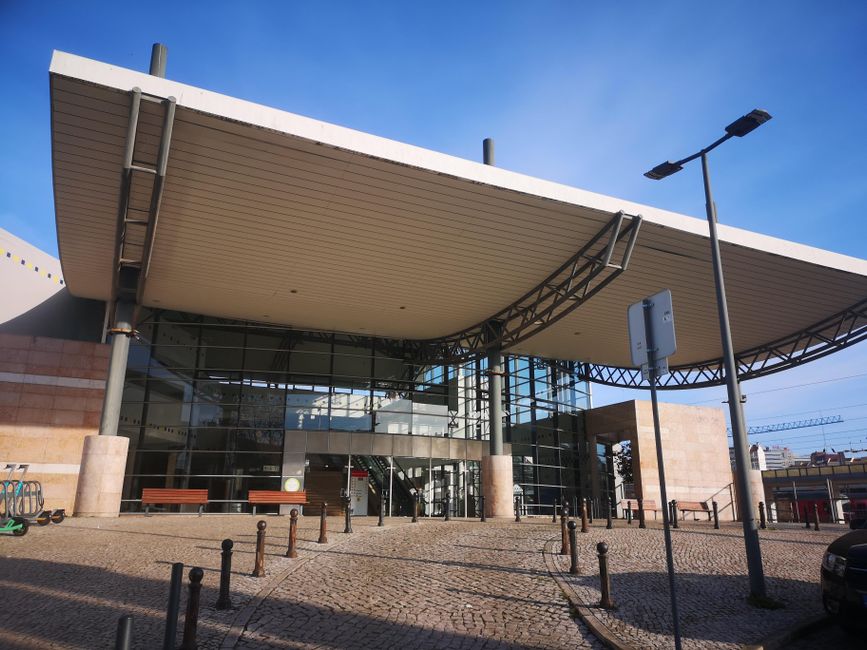
- Transport: María Zambrano station (Plaza del Ferrocarril s/n) is the hub for long‑distance trains and buses; it’s a 10–15 minute taxi ride to the historic center.
Final practical tips: where to stay, safety, getting around and seasonal advice
Accommodation: to be in the thick of things, book a hotel in the historic center like Room Mate Larios (Calle Marqués de Larios 4, 29005 Málaga) or Molina Lario Hotel (Calle Molina Lario 20, 29015 Málaga). Typical room rates: €80–160/night depending on season. If you prefer sea views and quick access to the port, choose a hotel near Muelle Uno or the promenade; prices are similar but rise in summer and during cruise season.
Safety: Malaga is generally safe for tourists, but as anywhere, keep an eye on your belongings in very busy areas (Calle Larios, markets). Pickpockets sometimes operate in queues and public transport. Emergency numbers: 112 for general emergencies. Pharmacies are common — look for the sign “Farmacia” and their duty hours posted at the entrance.
Getting around: the center is very walkable. For longer trips or if you’re short on time, official taxis (white) are reliable; expect fares of €5–15 depending on distance. EMT Malaga buses cover the whole city (single fare approx. €1.30–1.50). Bike and electric scooter rentals are widespread: €15–30/day. If you have a car, use official parking (e.g., Parking Alcazaba, Parking Muelle Uno) and avoid driving through narrow pedestrian streets in the historic center.
Seasonality: in summer (June–August) Malaga is hot and lively — favor morning and evening visits for the port. Spring and autumn offer pleasant temperatures ideal for walking and combining center and port without the heavy summer crowds. In winter the city stays lively and many cultural activities continue (museums, theatres), plus hotel rates are generally lower.
Accessibility: most major tourist sites have access for visitors with reduced mobility, but some parts of Castillo de Gibralfaro and old narrow alleys can be challenging. Check with local tourist offices for adapted routes.
Conclusion — Which option for your Malaga weekend?
Picking between Malaga’s historic center and the new port area doesn’t have to be a dilemma: both can be easily combined over a well‑paced weekend, and each brings its own flavor. The historic center immerses you in Andalusian soul: ancient monuments, shaded little squares, bustling markets and heritage museums (Málaga Cathedral, Museo Picasso Málaga, the Alcazaba). You’ll get history, architecture and a more intimate vibe. The port area, on the other hand, represents modern Malaga: walks on Muelle Uno, contemporary architecture (Centre Pompidou Málaga, CAC Málaga), terraces facing the sea and nautical activities. It’s the place to unwind at the end of the day and watch the sunset over the Mediterranean.
For a 48‑hour weekend, here’s a practical rule: dedicate a morning and a day to the historic center (Cathedral, Picasso, Atarazanas market, Alcazaba) and reserve an afternoon and an evening for the port (Muelle Uno, Centre Pompidou, La Malagueta beach). This tempo gives you breathing room, cuts down on unnecessary travel and lets you enjoy both authenticity and modernity. If you only have one day, choose according to your taste: history and museums if you love heritage; the port and the sea if you prefer contemporary vibes and coastal views.
Finally, a few concrete recommendations: buy your Picasso Museum and Alcazaba tickets in advance on weekends; visit the Alcazaba in late afternoon for better light and cooler temperatures; reserve a restaurant at Muelle Uno for a sunset dinner; and don’t miss local specialties — espetos de sardinas, pescaíto frito and regional wines. With these practical details (exact addresses, usual opening hours and indicative budgets), you’re ready for a successful weekend in Malaga — whether you choose the charm of the historic center, the energy of the port, or, ideally, both.