





Introduction — Beaches and Bites: How to Enjoy Málaga Without Getting Ripped Off
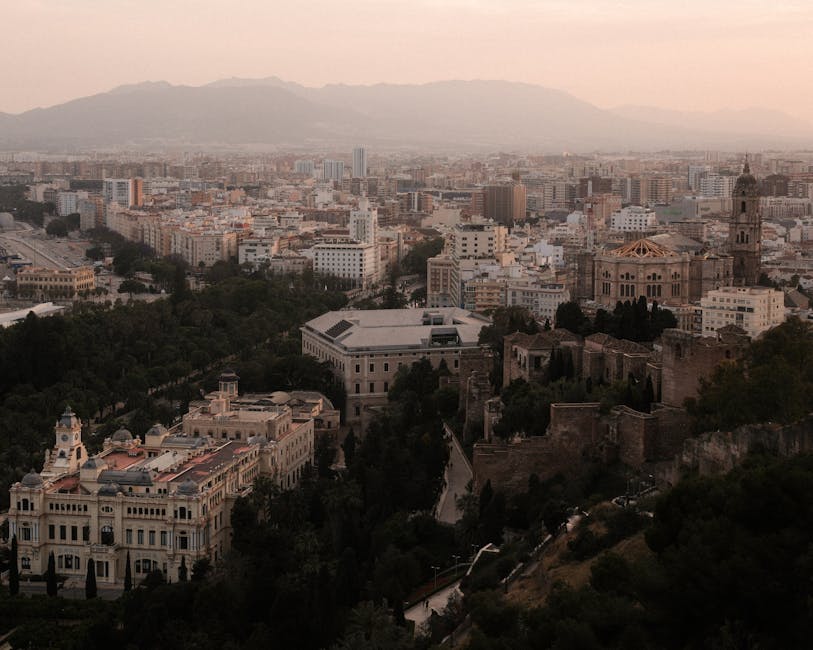
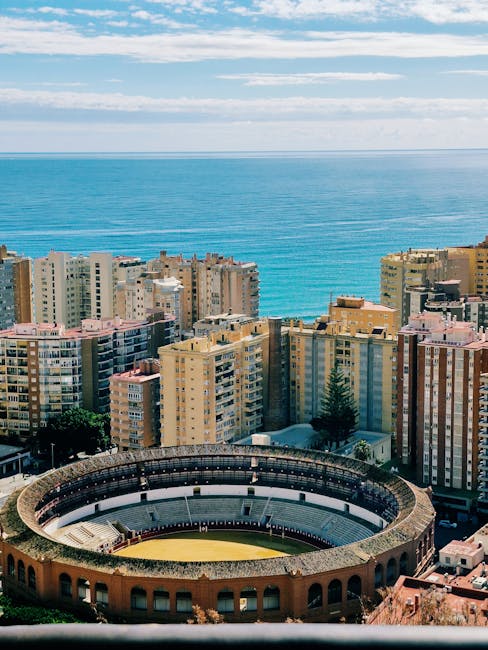
Málaga is a city of many faces: a working, cosmopolitan port, a historic Andalusian old town, an urban beach and a thriving Mediterranean food scene. Between an afternoon on the sand, a drink overlooking the port and a long tapas evening, you can easily have unforgettable moments… or fall into tourist traps. This guide gives you practical, local-savvy tips to enjoy Málaga’s beaches and restaurants with confidence: where to go, what to order, how much to expect to pay, the best times to visit, and how to avoid the most common scams.
We cover the must-see beaches (Playa de La Malagueta, Playa de La Misericordia, Pedregalejo and El Palo), recommended chiringuitos and restaurants (with exact addresses, typical opening hours and price ranges), plus concrete advice for renting sunbeds, picking a good grilled fish, reading an Andalusian menu and refusing unwanted services. You’ll also find practical tips for getting around, staying safe, tipping and local etiquette — small things that make the difference between a dreamy memory and an unpleasant surprise on the bill.
The beach itself may seem straightforward, but the experience depends a lot on where you go, the time of day and knowing the usual prices. For example, at Playa de La Malagueta (Paseo de la Farola, 29016 Málaga) you’ll be close to the old town and the port, but you’ll also find touristier spots where chiringuito prices can spike. By contrast, Pedregalejo and El Palo keep a more local vibe, perfect for enjoying an espetón (sardines grilled on a stick) at reasonable prices.
This guide doesn’t just list addresses: it explains how to read an Andalusian menu, how to negotiate a beach spot in high season, which hours to pick to avoid crowds and scams, and how to spot truly fresh fish. Every location listed includes exact addresses, typical opening times and price estimates in euros so you can plan without nasty surprises. You’ll also get tips on markets (where to buy local produce), transport (buses, taxis, walking) and respectful local practices (hours, noise, waste).
Finally, the recommendations here are realistic and locally tested: family-run chiringuitos, historic city-center restaurants, a covered market for fresh produce and reliable beach-equipment rental services. Suggested photo keywords help you spot places visually before you go. Read, take notes and adapt: Málaga rewards good timing and a touch of Andalusian mischief — we explain how to enjoy the city without getting taken for a ride.
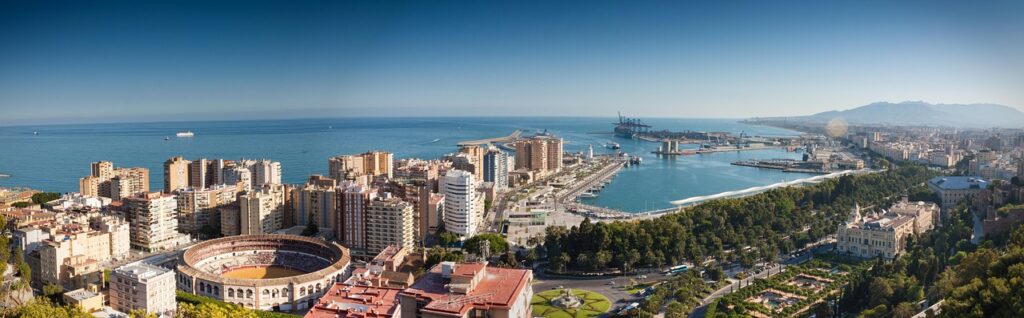
The beaches to know and what makes each special (Playa de La Malagueta, La Misericordia, Pedregalejo, El Palo)
Playa de La Malagueta — Address: Paseo de la Farola, 29016 Málaga. This is Málaga’s most famous city beach, less than a 15-minute walk from Calle Larios and the cathedral. Fine sand, calm waters and occasional festivals make it very busy in high season. Hours: beach accessible 24/7; chiringuitos and services typically open from 10:00 to 20:00 in summer. Indicative prices: sunbed + parasol rental for one day ≈ €6–12 per person (depending on season and operator), public shower €0–0.50.
Practical tips for La Malagueta: get there early (8:00–10:00) to secure a spot near the promenade if you want to avoid big crowds. Be wary of people “organizing” games or selling drinks on the sand: use official rental points (look for the municipal logo on umbrellas or ask for a ticket). If you want a chiringuito with a sea view and full service, head toward the restaurants near Muelle Uno, but expect to pay 10–20% more than in more local neighborhoods.
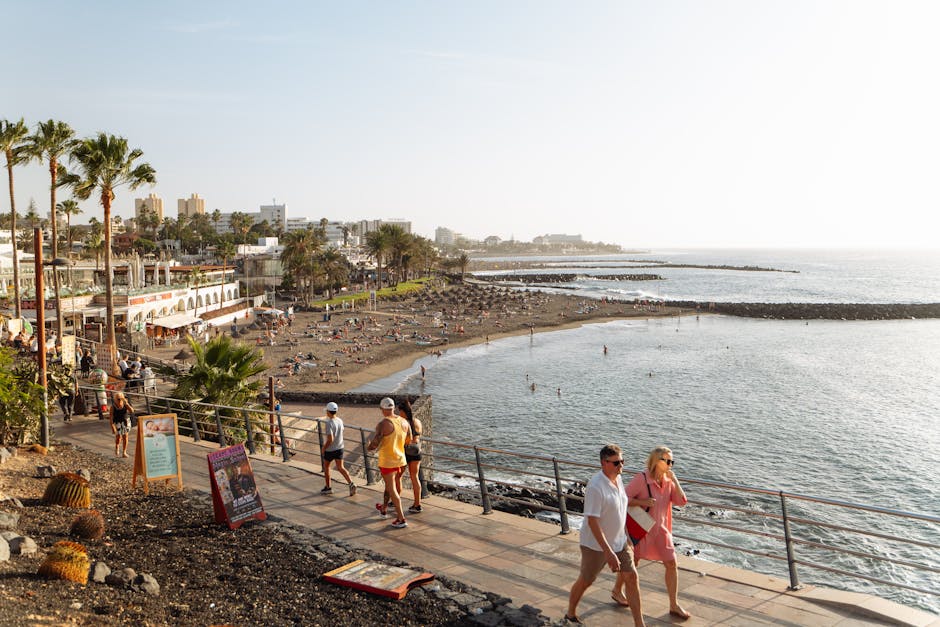
Playa de La Misericordia — Address: Paseo Marítimo Antonio Banderas, 29004 Málaga. This beach is longer and often less crowded than La Malagueta, ideal for families and sea-side joggers. Service hours: most chiringuitos open from 11:00 to 23:00 in summer. Prices: sunbeds ≈ €5–10; paddleboard rental ≈ €15–25/hour.
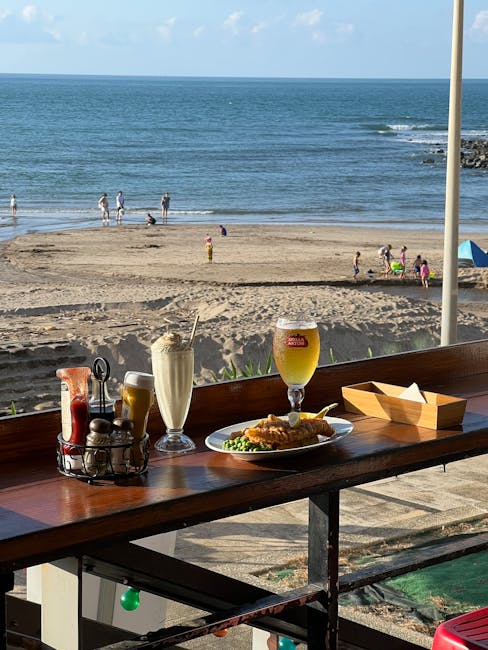
Pedregalejo and El Palo — Addresses: Paseo Marítimo Pedregalejo, 29017 Málaga (Pedregalejo) and Avenida Salvador Allende, 29017 Málaga (El Palo). These neighborhoods keep a small fishing-village character, with many chiringuitos where the espetón (sardines on a spit) is king. Chiringuito hours: often 13:00–00:00; some open from noon. Prices: espetón ≈ €3–6 per skewer; mixed fried fish plate (pescaito frito) ≈ €8–15 per person.
Local tips: for an authentic espetón experience, pick a chiringuito where fish are displayed in bulk and grilled in front of you. Always ask the price before ordering several skewers or whole fish to avoid surprises. If you prefer quieter moments, aim for late afternoon (17:00–19:00) when many families head home and the light is perfect for photos and strolls.
Must-visit restaurants and reliable chiringuitos — addresses, hours, menu clues and anti-scam signals
El Pimpi — Address: Calle Granada 62, 29015 Málaga. A Málaga institution, popular for its Andalusian atmosphere and traditional tapas menu. Hours: 10:00–01:00 (seasonal variations); hot kitchen usually 12:30–16:00 and 19:00–23:00. Prices: tapas €3–8; raciones €10–18; medium bottle of local wine €15–35. Tip: El Pimpi can be touristy, but quality is generally good; consider reserving for dinner and ask for the Spanish menu if you want to avoid a special “tourist” version that may mark up prices.
Baños del Carmen (El Balneario) — Address: Paseo de Reding s/n, 29016 Málaga. An old seaside spa converted into a chic chiringuito with lovely sea views. Hours: 10:00–00:00; kitchen 13:00–23:00. Prices: mains €12–28; cocktails €8–12. Anti-scam flag: make sure the server records your order on a ticket and ask the price of a dish beforehand — some beachfront places add a surcharge for the view.
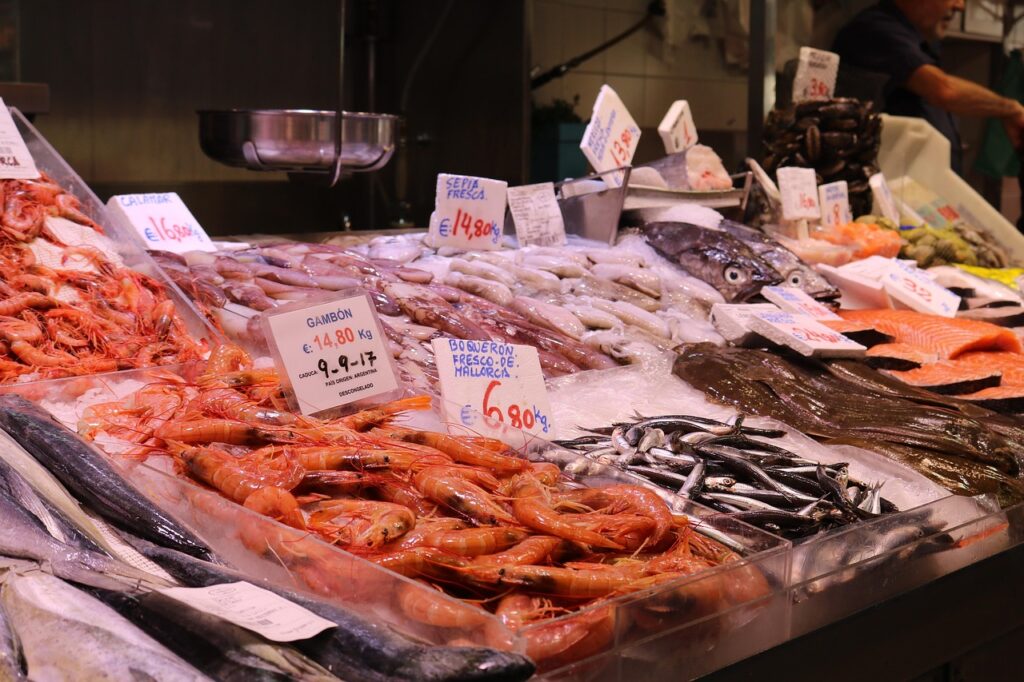
Mercado de Atarazanas — Address: Calle Atarazanas 10, 29005 Málaga. This covered market is a great place to buy fresh fish and try local tapas. Hours: generally open 08:00–14:30 (some stalls close later or earlier). Prices: fresh fish €6–18/kg depending on species; tapas on site €2–5. Tip: buy fish in the morning and ask a market seller for recommendations on a chiringuito that will grill it for you — they often work together and this avoids high tourist markups.
Restaurante Los Mellizos Málaga — Address: Paseo de la Farola 19, 29016 Málaga (near the port). A well-known chain famed for fresh fish and seafood. Hours: 12:30–16:00 / 20:00–23:30. Prices: paella for two ≈ €28–40; whole fish €18–35. Advice: to avoid surprises, confirm whether the price is per person or for the whole dish (paellas are often for a minimum of two people).
El Tintero II (El Palo) — Address: Avenida Salvador Allende 54, 29017 Málaga. Famous for its old-school service where waiters shout out dishes and bring plates around — you pay for whatever you grab. Hours: 13:00–23:00. Prices: individual dishes €6–18. Anti-scam tip: look at what’s actually on the plates before you grab them; don’t take several dishes without checking and ask for your ticket at the end. Some tourists get carried away and end up paying more than they expected.
How to read an Andalusian menu and avoid pricing traps
Menus in Andalusia use some specific terms: tapas, raciones, media ración, platos principales and menú del día. Understanding these will help you control your budget.
- Tapas: small individual portions, price ≈ €2–6. Great for tasting a range of dishes.
- Raciones: larger portions meant for sharing, price ≈ €8–25 depending on ingredients (seafood is pricier).
- Media ración: half a ración, handy for two people.
- Platos principales: main course, usually €10–25.
- Menú del día: fixed lunchtime menu (usually 2 courses + dessert + drink) with good value, price ≈ €10–16; beware of “tourist menus” in the evening which can be overpriced or lower quality.
Anti-scam pointers:
- Always ask whether the listed price is per person or per dish (especially for paellas and whole fish).
- Before accepting an amuse-bouche or an unrequested “tapa,” check if it’s free — some places charge. If unsure, insist it’s noted on the bill or ask for a written price.
- For grilled fish, ask the approximate weight and the price per kilo, or agree a fixed price. Local fish like dorada, lubina or besugo range roughly €15–40 depending on size and season.
- If a server offers you “the best spot” or an extra charge for the view, decline or ask the exact price before accepting.
Transport, safety and practical tips: make the most of your beach-and-restaurant days
Getting around Málaga is easy: the city center is very walkable, but for Pedregalejo, El Palo or Playa de La Misericordia the bus is handy. Main bus lines: EMT Málaga (lines 11, 3, 17 depending on destination). Urban bus fare ≈ €1.40–1.70 per trip (tourist cards or rechargeable tickets are cheaper for multiple rides). Taxi: base fare ≈ €4–5 + meter ≈ €1.10/km; center → Pedregalejo ≈ €10–15 depending on traffic.
Beach safety: Málaga is generally safe, but pickpocketing happens, especially in high season. Don’t leave valuables unattended on the beach. Use a secure beach bag and, ideally, a locker or safe provided by your hotel. Tip: hide your wallet in an inner pocket and don’t leave your phone visible while swimming.
Timing and seasons: high season = July–August, when local schools are on holiday too; expect crowds. May–June and September–October are a great compromise for weather and fewer people. For restaurants, lunch usually runs 13:00–16:00; dinner starts late: 20:30–23:30, sometimes later in summer. Book ahead for popular spots like El Pimpi or Los Mellizos.
- To save money: take advantage of the menú del día at lunch (≈ €10–16), which often includes wine or a drink.
- For a local feel: eat in Pedregalejo or El Palo in the evening; fewer tourists and better prices for pescaito frito and espetos.
- For photos: the golden hour (18:30–20:30) along the Paseo Marítimo is perfect; avoid midday for portraits because of harsh overhead sun.
Markets, local products and extra activities — where to buy and what to bring home
Central Market Atarazanas — Address: Calle Atarazanas 10, 29005 Málaga. This market is perfect for buying fish, seafood, local fruits, olives and cured meats. Hours: 08:00–14:30 on weekdays; some stalls close earlier. Buying tips: negotiate a little if you’re buying in quantity; expect around €12–20/kg for fresh prawns depending on the season.
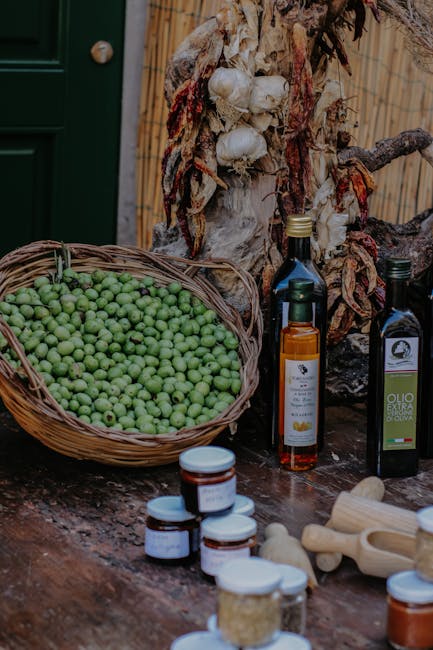
La Calle de la Merced and Plaza de la Merced (Plaza de la Merced 15) are full of small shops selling olive oil, Andalusian wines and culinary souvenirs. Local extra virgin olive oil labeled “Picual” or “Hojiblanca” sells for about €6–20 a bottle depending on quality. Local wines: a good Málaga dulce (sweet wine) can cost €6–15 a bottle; a dry wine from the Axarquía region €8–20.
Workshops and experiences: there are several cooking schools and tasting workshops in town (half-day classes ≈ €40–80 per person). Booking an espetón workshop or a paella class is a great way to learn about the ingredients and avoid surprises at restaurants.
Conclusion — Enjoy Málaga with peace of mind
Málaga offers a rare balance of accessible beaches, lively city life and Mediterranean gastronomy. To enjoy it without getting ripped off, alternate tourist hotspots and local favorites: have lunch in a well-known city spot like El Pimpi (Calle Granada 62, 29015 Málaga) for the atmosphere, then dine in Pedregalejo or El Palo (Paseo Marítimo Pedregalejo / Avenida Salvador Allende, 29017 Málaga) for authentic espetos at friendlier prices. Use the Atarazanas market (Calle Atarazanas 10, 29005 Málaga) to buy fresh produce and ask vendors for chiringuito recommendations — that often avoids steep tourist markups.
On the beach, choose official rental points for sunbeds (€6–12 a day) and clarify prices at the chiringuito before you order. In restaurants, check wording like “per person” and “to share,” and ask for the kilo price of fish when offered. Use the menú del día to sample good local food without blowing your budget, and book popular dinners in advance, especially in July and August.
Finally, time your days: mornings are best for the beach (08:00–10:00) and early evening (18:00–20:00) gives you beautiful light and fewer people. Learn a few basic Spanish phrases, stay sceptical of pushy offers and take time to wander Málaga’s narrow streets to discover family-run spots and passionate artisans. With these pointers — addresses, hours, price ranges and practical tips — you’re ready to enjoy Málaga fully and smartly. Buen viaje y buen provecho!