





Introduction — Understanding transport in Málaga
Málaga, the gateway to the Costa del Sol, is a Mediterranean city where public transport and active mobility make it easy to explore the historic center, the beaches and the surroundings. Whether you arrive at Málaga–Costa del Sol Airport, María Zambrano station or by road, you’ve got plenty of options: city buses (EMT Málaga), suburban trains (Renfe Cercanías), long-distance trains (Renfe AVE/Media Distancia), light rail and tourist services (shuttles, combined passes). This complete guide breaks down lines, stops, schedules, fares in euros, exact addresses of main stations and local tips to get the most out of your journeys.
The aim here is practical and immersive: where to buy tickets, how much a typical ride costs, how to read signs, when the last train leaves, and which tourist cards save you time and money. Your transport choices matter: a direct Cercanías train from the airport gets you into the heart of the city in under 15 minutes, while the bus network links beaches, Málaga Park and residential neighborhoods. Travellers after efficiency will also appreciate connections between buses, María Zambrano station and high-speed AVE lines serving Madrid, Barcelona and other Spanish cities.
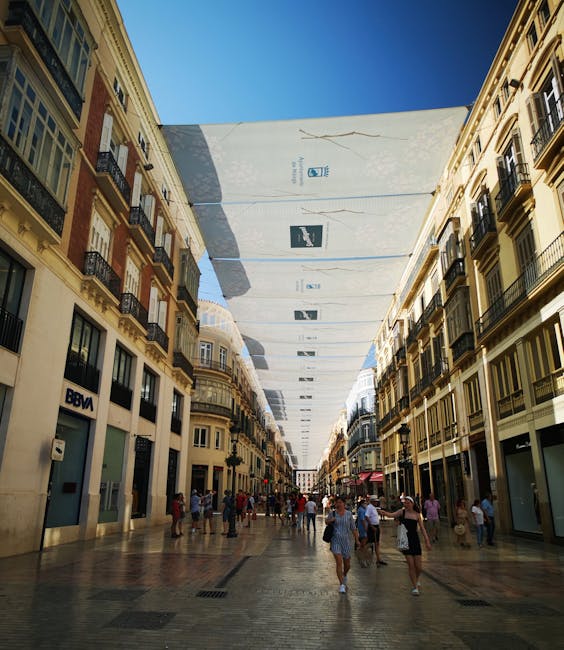
This guide focuses on exact addresses (for example: Aeropuerto de Málaga-Costa del Sol, Calle Miguel Hernández, s/n, 29004 Málaga; Estación de Autobuses de Málaga, Avenida de Andalucía, s/n, 29006 Málaga; Estación de Málaga-María Zambrano, Paseo de los Tilos, s/n, 29006 Málaga), current prices at the time of writing, and typical service hours. You’ll also find local tips — which times to avoid to dodge rush hour, where to top up a travel card, luggage-safety best practices, and how to combine public transport and walking to fully enjoy the historic center (Calle Larios, Alcazaba, Centre Pompidou Málaga).
We include visual markers so you can quickly spot key places and routes. Every traveller, whether on a short break or a longer stay, will find useful details to plan getting around Málaga with confidence. Note that some fares and schedules may change; always check official sites (EMT Málaga, Renfe, Aena, Málaga Card) before you travel.
City and intercity buses: EMT Málaga and coach services
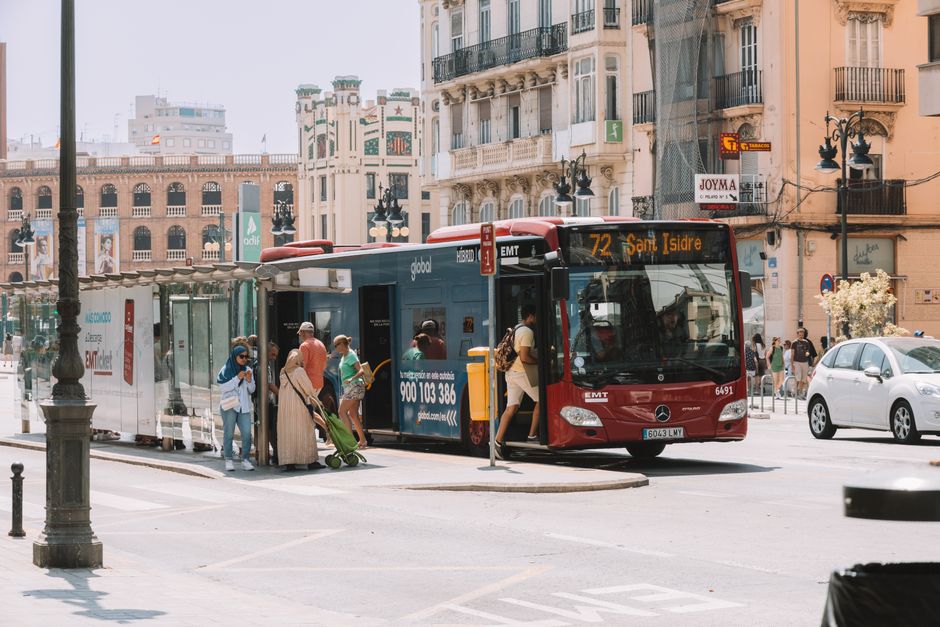
Buses are the backbone of daily travel in Málaga. The municipal company EMT Málaga runs the city network (numbered routes) plus several tourist lines. In addition, Estación de Autobuses de Málaga hosts national and regional operators (ALSA, Avanza) for intercity and national connections.
EMT Málaga — the city network
Head office/main station address: Oficina EMT Málaga, Plaza de la Marina, s/n, 29001 Málaga (near Muelle Uno). Main routes serve the centre (Calle Larios, Alameda Principal), La Malagueta beach, the Pedregalejo neighborhood and the El Palo shopping area.
- Single-ticket price (cash): €1.30 (on board, cash payment). Tip: carry exact change; drivers rarely give change for large notes.
- Price with rechargeable card: €1.10 per trip (with the multi card issued by EMT). The “Tarjeta Multi” typically costs €2.50–3.00 to buy; you top it up afterwards. Ask at the EMT information point at Plaza de la Marina.
- Hours: most routes run roughly 06:00–23:00. Main lines (e.g. line 3 linking centre → beach) have higher frequency (every 10–15 minutes at peak times). Real-time schedules are available on the EMT Málaga app and on electronic displays at major stops.
- Night buses (búhos): several night lines cover the centre and some nightlife districts between midnight and 05:00; reduced frequency (every 30–60 minutes). Check exact routes on the EMT website.
EMT also runs special services for events (Semana Santa, Feria de Málaga). Major boarding/alighting points: Plaza de la Marina (Muelle Uno), Alameda Principal, Plaza de la Constitución (historic centre), Playa de la Malagueta. Stops often have a display showing the next bus and waiting time.
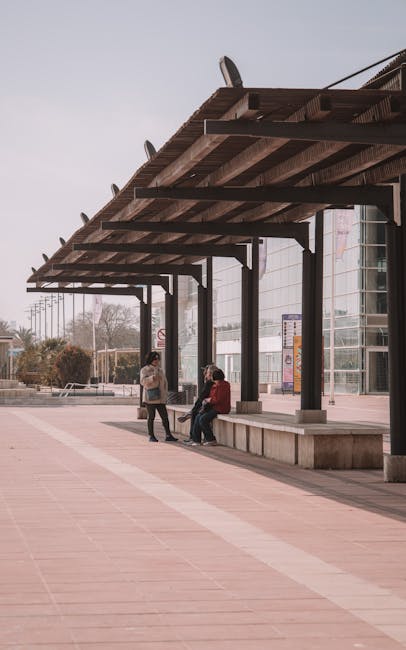
Estación de Autobuses de Málaga — intercity and national coaches
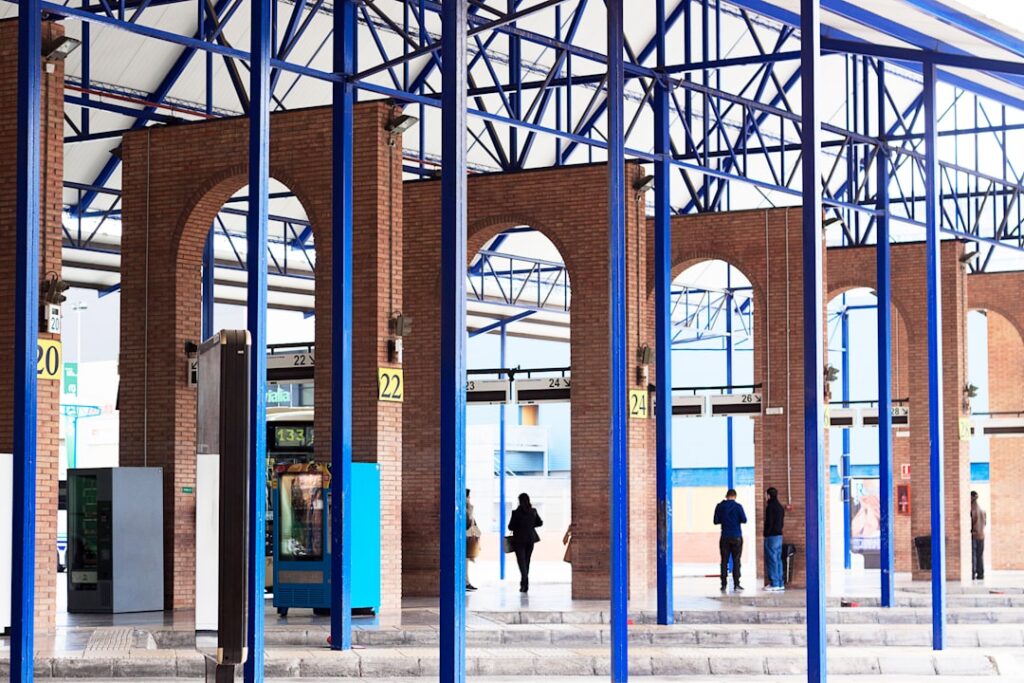
Address: Estación de Autobuses de Málaga, Avenida de Andalucía, s/n, 29006 Málaga (near María Zambrano station). Ticket office/opening hours: generally 05:30–23:30; some counters may be open 24h during peak tourist season. This is the departure point for ALSA and other companies to Granada, Seville, Córdoba, Ronda, Marbella and regional airports.
- Sample prices: Málaga → Marbella: €8.00–10.00 (50–60 min); Málaga → Ronda: €8.50–12.00 (1h45–2h); Málaga → Granada: €12.00–18.00 (1h45–2h30). Fares vary by operator and whether you buy online or at the counter.
- Tips: buy tickets online through ALSA to sometimes get discounts; arrive 20–30 minutes before departure to check luggage and board.
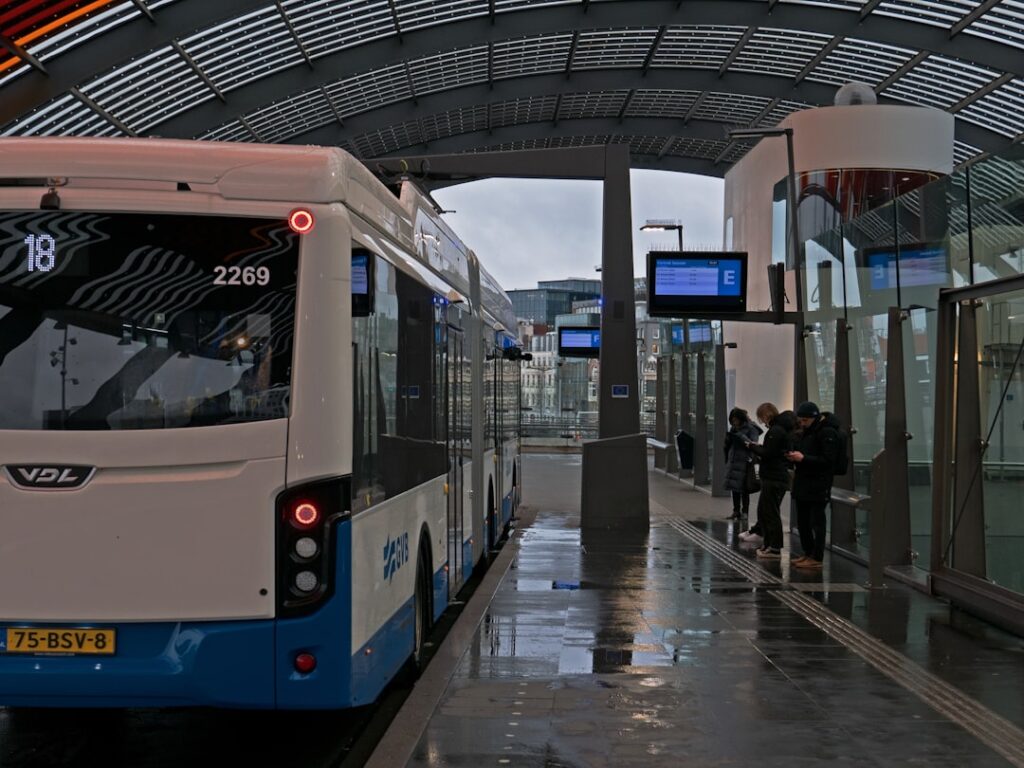
Trains: Renfe Cercanías, María Zambrano station and AVE connections
Trains in Málaga combine speed and comfort: the Cercanías C1 line links the airport to the city centre, while María Zambrano station connects Málaga to the national long-distance network (AVE, Alvia, Media Distancia). Trains are handy for exploring the Costa del Sol (Fuengirola), inland Andalusia (Ronda, Antequera) and major Spanish cities (Madrid, Barcelona).

Renfe Cercanías (commuter lines)
The Cercanías C1 line is the most useful for airport arrivals.
- Airport stop: Málaga Aeropuerto (airport) — platform located outside Terminal 3, Aeropuerto de Málaga-Costa del Sol, Calle Miguel Hernández, s/n, 29004 Málaga.
- Main city stops: Málaga Centro-Alameda (central stop for the historic centre) and Estación de Málaga-María Zambrano (AVE connections).
- Price: single ticket Málaga Aeropuerto → Málaga Centro-Alameda: around €1.80 (indicative). Tickets sold at station machines and online at renfe.com.
- Hours: trains roughly every 20–30 minutes, first services around 05:30–06:00, last around 00:30–01:00 (times vary by season). Duration: airport → Centro-Alameda ≈ 12–15 minutes; airport → María Zambrano ≈ 11 minutes.
Practical tip: from Terminal 3 follow signs for “Tren Cercanías Aeropuerto”. Ticket machines accept cards and cash; keep your ticket until exit for validation.
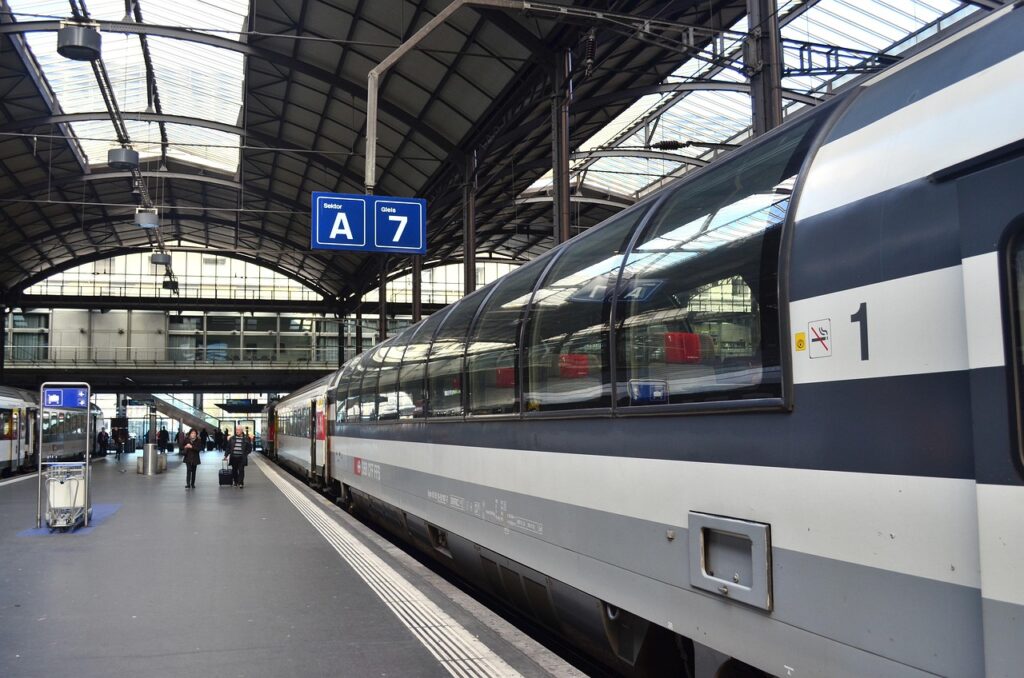
Estación de Málaga-María Zambrano — long-distance trains
Address: Estación de Málaga-María Zambrano, Paseo de los Tilos, s/n, 29006 Málaga. This is the main station for AVE and Media Distancia trains. It’s modern, air-conditioned, and directly connected by escalators/elevators to the bus station (Estación de Autobuses de Málaga).
- AVE high-speed trains: Málaga ↔ Madrid Atocha: 2h30–2h45; fares vary €30.00–90.00 depending on class and how far in advance you book.
- Trains to Seville, Córdoba, Granada: Media Distancia/Avant. Sample fares: Málaga → Córdoba: €15.00–30.00; Málaga → Granada: €12.00–25.00 (depending on time and class).
- Hours: long-distance services have varying frequencies; first trains early morning (≈06:00–07:00) and last in the evening (≈21:00–23:00). Check renfe.com for exact times and bookings.
Local tip: to save time on day trips (Ronda, Córdoba), book return AVE/Media Distancia tickets the day before. Platforms have limited lockers; avoid leaving large unchecked luggage.
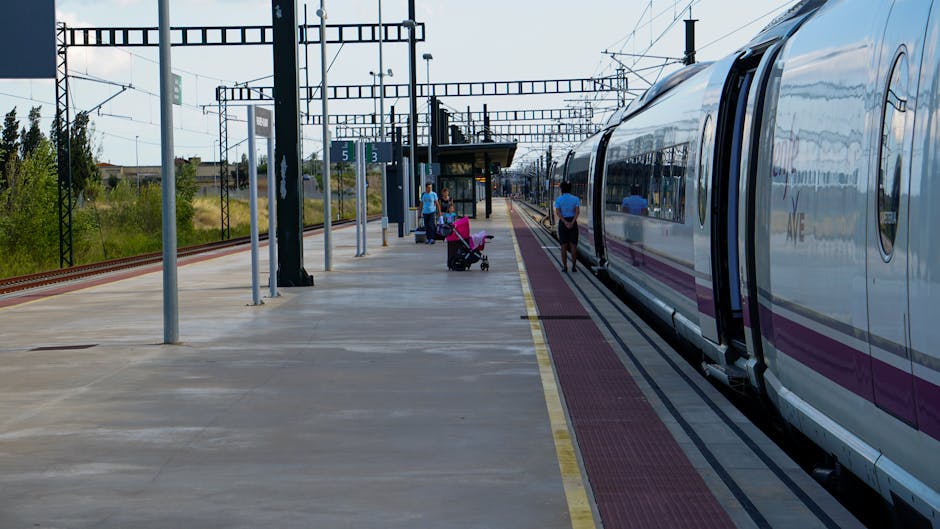
Light metro, tram and active mobility around Málaga
Málaga has developed active mobility options and light rail/tram lines to improve connections between neighborhoods and access to tourist areas. On top of that there are bike-share services, taxis and ride-hailing platforms.
Light metro and local rail network
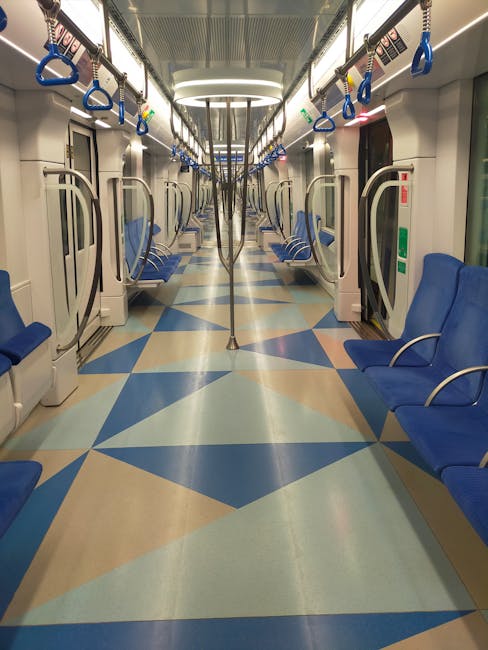
Málaga’s light metro integrates into the metropolitan transport network. While it’s not as extensive as Madrid or Barcelona, it serves strategic corridors and can save time at peak hours.
- Fares: single tickets for integrated metro/bus rides are around €1.10–1.50 depending on whether you use a rechargeable card. Some transfers may cost slightly more if you cross fare zones.
- Hours: services roughly 06:00–23:00, with reduced frequency at night. For precise journeys check the metropolitan transport authority (Consorcio de Transporte Metropolitano del Área de Málaga).
- Main stations: El Perchel, La Marina, Alameda, Guadalmedina — connection points with María Zambrano station and bus lines.
The metro is handy if you’re staying on the outskirts (Teatinos, El Perchel) or heading to university campuses. Trains are modern, air-conditioned, and stations are well signed in Spanish/English.
Bikes, e-scooters and taxis
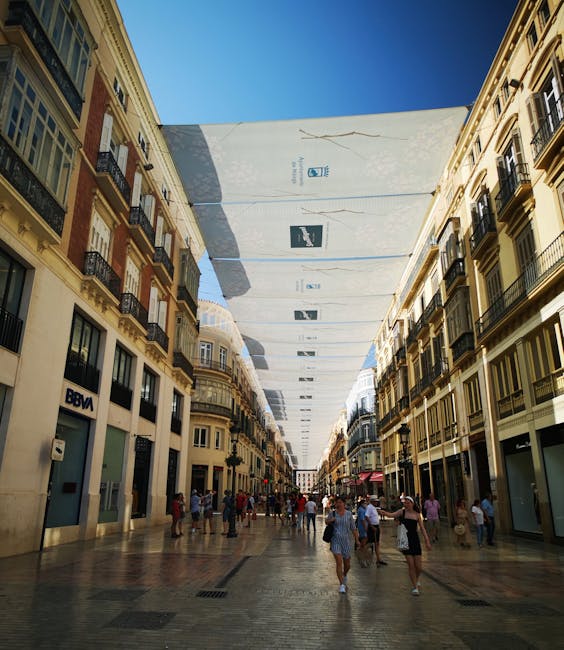
For short distances in the historic centre (Calle Larios, Plaza de la Constitución, Alcazaba), walking is often the best option. However:
- Public bikes: hire points like “MalagaBici” and private operators. Rates: hourly hire ≈ €3.00–6.00 for the first hour depending on bike type, day rates ≈ €10–20.
- Electric scooters: many private operators (indicative pricing: €0.50–1.00 to unlock + €0.10–0.25 per minute). Use designated parking zones and respect bike lanes.
- Taxis: main airport taxi rank: queues in front of the terminal; approximate airport → city centre (Calle Larios) fare: €20.00–30.00 depending on traffic and luggage; standard vehicles available 24/7. Official taxi service: Radio Taxi Málaga (local phone shown at the terminals).
Safety tips: lock your bike/scooter, don’t leave valuables in plain sight and choose operators with insurance. If you’re traveling in a group or with heavy luggage, a taxi can be more competitive and faster than a bus + metro combo.
Tourist cards and combined tickets: Málaga Card and practical options
To simplify sightseeing, several tourist cards and transport passes offer combined benefits (museum entry, transport discounts, guided tours). The best-known is the Málaga Card and local tourist tickets. They can save money if you plan to visit several paid attractions.
Málaga Card — benefits and prices
The Málaga Card is an official tourist card that bundles access to certain museums and discounts on transport. Example offers (indicative prices for reference):
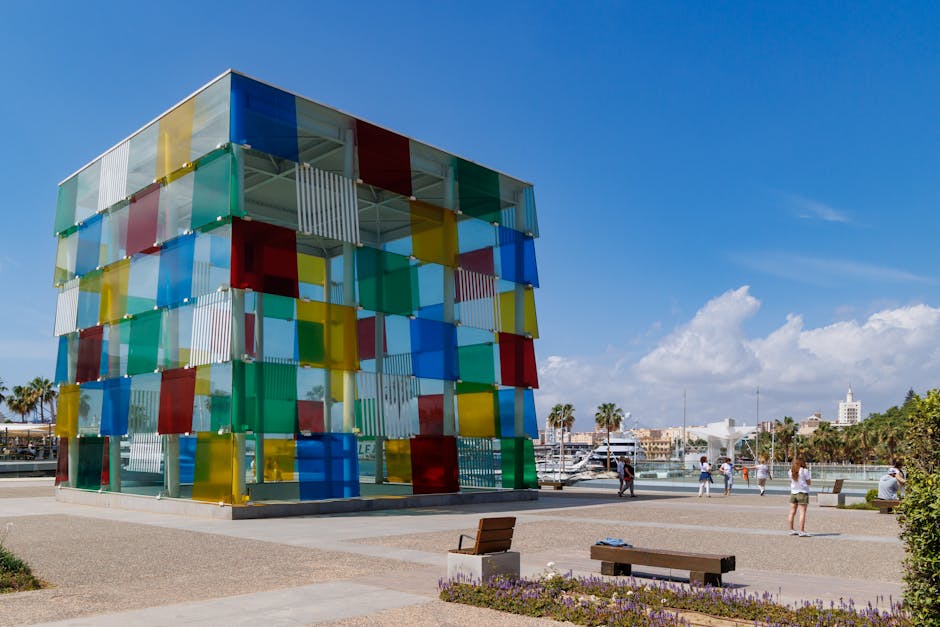
- Málaga Card 24 hours: around €18.00 — includes free or reduced entry to museums like Centre Pompidou Málaga (Paseo del Parque, s/n, 29001 Málaga), Museo Picasso Málaga (Palacio de Buenavista, Calle San Agustín, 8, 29015 Málaga) and unlimited urban transport depending on the option chosen.
- Málaga Card 48 hours: around €22.00 — longer access and sometimes a guided tour included.
- Málaga Card 72 hours: around €25.00 — ideal for longer stays or combined with excursions.
Where to buy: official Oficina de Turismo desks (Parque de Málaga / Paseo del Parque), online at malagacard.org, and at select partner hotels. Tip: compare the total cost of the attractions you plan to visit with the card price to check if it’s worth it.
Local transport cards and prepayment
For daily trips, the “Tarjeta Multi” (rechargeable card) is handy. You can buy it at tobacconists, station ticket machines and EMT offices.
- Card cost: around €2.50–3.00 on issue (one-time cost), then top up to benefit from reduced fares (€1.10 instead of €1.30 per bus ride).
- Tourist cards including transport: some Málaga Card options include unlimited transport for a set period. Check the “unlimited transport” option when you buy.
- Combined Tren+Bus passes: occasionally available for excursions (e.g. Málaga → Nerja or Málaga → Ronda): prices vary €10.00–25.00 depending on route.
Tip: always keep your transport card or Málaga Card; fines apply if you’re caught travelling without a validated ticket. If you’re in town for several days, top up at kiosks or machines to avoid queues.
Local practical tips, safety and recommended routes
Getting around Málaga is generally straightforward, but a few local rules and tips make travel smoother and safer. Here’s an actionable summary for travellers: best times to travel, suggested itineraries, safety and accessibility.
Times and crowds
If possible, avoid rush hours (Mon–Fri 07:30–09:30 and 17:30–19:30) for bus and metro trips. Cercanías trains remain very handy for the airport outside those windows. The historic centre is busiest between 11:00 and 16:00 (lunch and sightseeing), and in the evening around 20:00–23:30 (dinner, bars).
Security and luggage
- Pickpockets: common in tourist areas (Calle Larios, the train station, crowded buses). Keep valuables secure (inside pockets or zipped bags).
- Luggage: if arriving at the airport, the Cercanías is the fastest option; a taxi costs about €25–30 depending on traffic. For safety, use official taxi ranks or reputable VTC services.
- Accessibility: María Zambrano station and main stops have lifts and ramps. On buses, check for low-floor vehicles if you’re using a wheelchair or pushing a stroller.
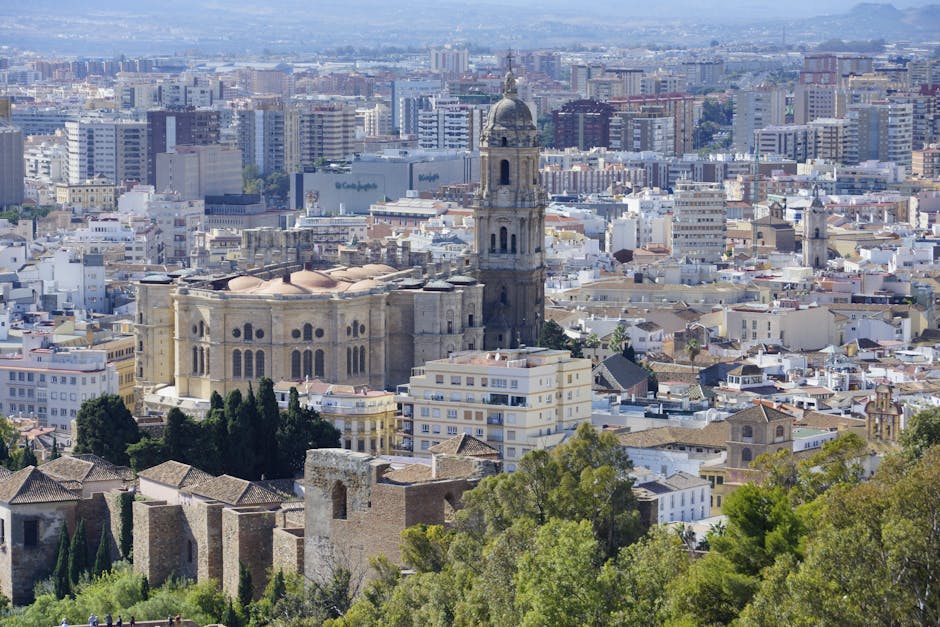
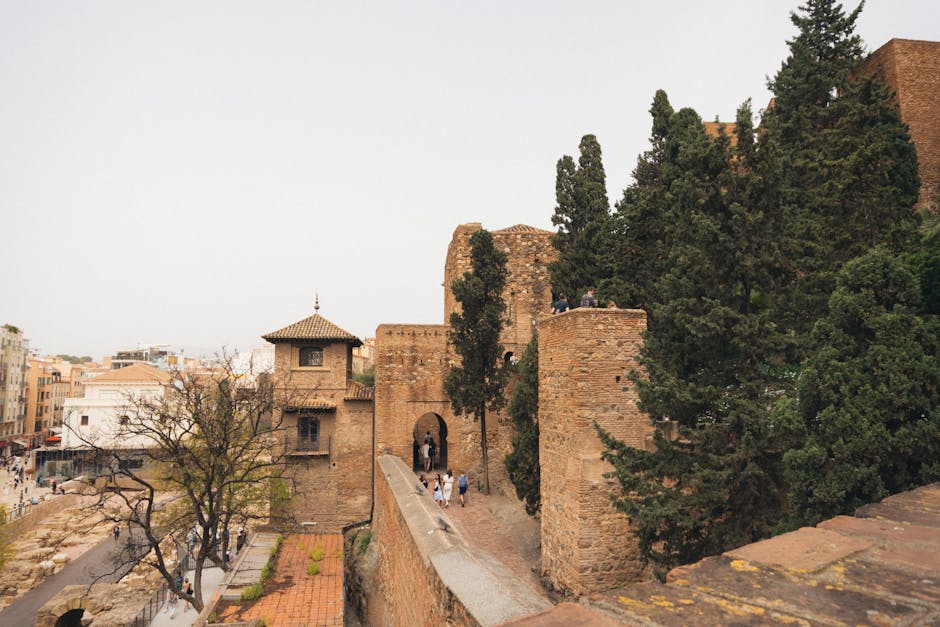
Recommended routes: for a first half-day in Málaga, take the Cercanías to Málaga Centro-Alameda, then walk to the Alcazaba (Calle Alcazabilla, s/n, 29015 Málaga) and the Roman Theatre. For the beach, catch an EMT bus to Playa de La Malagueta or walk 15–20 minutes from the centre.
Useful numbers and websites
- Málaga–Costa del Sol Airport (Aena): Aeropuerto de Málaga-Costa del Sol, Calle Miguel Hernández, s/n, 29004 Málaga — website: aena.es
- María Zambrano station: Estación de Málaga-María Zambrano, Paseo de los Tilos, s/n, 29006 Málaga — website: renfe.com
- Bus station: Avenida de Andalucía, s/n, 29006 Málaga — operators ALSA/Avanza and local ticket counters
- EMT Málaga (schedules and site): emtmalaga.es — information point at Plaza de la Marina
Conclusion — Travel smart in Málaga: save time and money
Getting around Málaga is generally easy and often affordable: the Cercanías from the airport, EMT city buses and María Zambrano station for long-distance connections cover almost every traveller’s needs. With a few simple steps — buy a Tarjeta Multi for frequent trips, book long-distance trains in advance, and compare the Málaga Card with individual museum tickets — you’ll save both time and money. Taxis remain handy for late arrivals or journeys with heavy luggage; bike and scooter services give you freedom to move around the historic centre and seafront.
Don’t forget to check real-time schedules before each trip: frequencies can change with the tourist season and public holidays (Semana Santa, Feria de Agosto). Respect local rules (bike lanes, scooter parking) and watch out for pickpockets in crowded areas. If you need a precise route (for example: airport → a specific hotel, or a public-transport itinerary to Ronda or Nerja), give the exact address and I’ll prepare a step-by-step plan with stop coordinates, walking times and estimated cost.
Finally, explore Málaga on foot as much as possible: the charm of Calle Larios, the terraces around Plaza de la Merced, the view from Castillo de Gibralfaro, or a stroll along the port at Muelle Uno are best enjoyed without transport stress. With this guide you now have a practical base to plan your trips: useful addresses (Aeropuerto de Málaga-Costa del Sol, Estación de Autobuses de Málaga, Estación de Málaga-María Zambrano), indicative fares and schedules, recommended cards and local tips. Have a great trip — and enjoy Málaga!