





Introduction — Police and Emergency Services in Málaga: What to Know Before You Go
Málaga, the capital of the Costa del Sol, is a lively city where tourists and locals enjoy sunshine, beaches and Andalusian city life. As in any major city, it’s important to know emergency numbers, available services, key addresses and the steps to take if something happens. This article is a hands-on, detailed guide to police and emergency services in Málaga: phone numbers, procedures, exact addresses, typical opening hours, possible costs and local tips to act quickly and effectively.
The golden rule is simple: call 112 (the European emergency number) for any situation that endangers life, safety or property — whenever you need an ambulance, firefighters or police and don’t know which service to call. There are also direct numbers for the Policía Nacional (091), the Guardia Civil (062) and the Policía Local de Málaga (a municipal number), each with specific responsibilities: general security and serious crimes for the Policía Nacional, rural areas and motorways for the Guardia Civil, and local incidents, traffic and minor infractions for the Policía Local.
This guide includes precise addresses for major hospitals, key police stations, fire stations and practical information on out-of-hours pharmacies, insurance coverage (EHIC/GHIC and private policies), and realistic cost estimates (private ambulance fees, private emergency consultation costs, etc.). It also lays out step-by-step procedures — what to do if you’re the victim of theft, a road accident, an assault or a medical emergency — and local advice (areas to avoid at night, documents to prepare, places to get help if you don’t speak Spanish).
The goal is to be helpful without being alarmist: Málaga has a well-organized, responsive emergency network. Still, preparing ahead reduces stress in an emergency. Practical recommendations include: keeping a copy of your passport and insurance, saving 112 and local numbers in your phone, locating the nearest hospital to where you’re staying, knowing your exact address (hotel name, street, number), and learning key Spanish words (por favor, ayuda, ambulancia, policía, incendio).
Finally, this guide highlights real locations (with addresses and hours) such as Hospital Regional Universitario Carlos Haya, central police stations, fire stations, and private/charity ambulance services. Practical tips for interacting with police and medical staff and cost information will help you handle any situation calmly. The following sections detail these elements with clear instructions and specific local recommendations.
Emergency Numbers, Phone Services and Who to Call Depending on the Situation
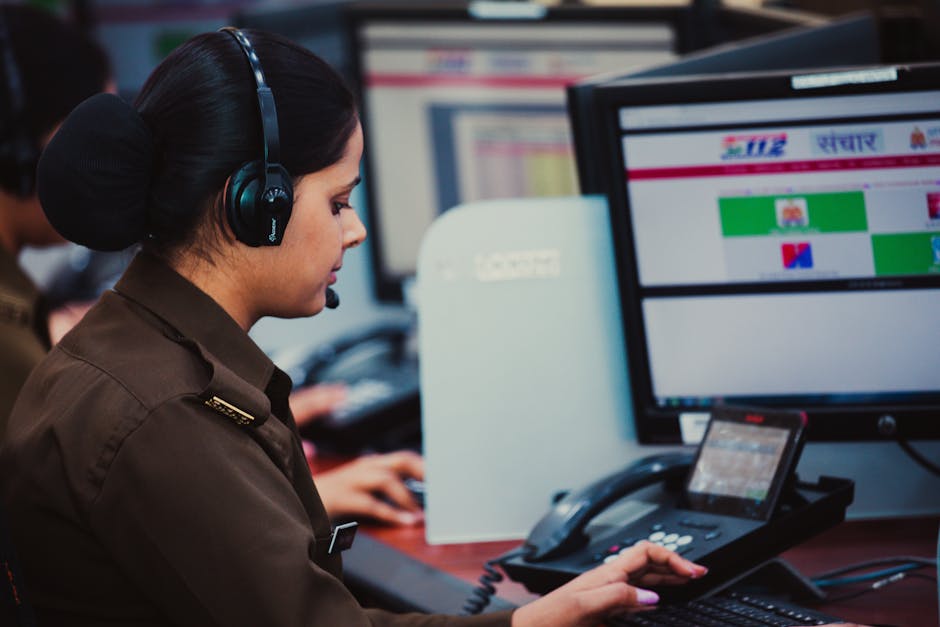
The central number to remember is 112 — Servicio de Emergencias 112 Andalucía — reachable free from a landline or mobile. 112 operators speak Spanish and, in most cases, English; they coordinate firefighters, ambulances and law enforcement. Immediately give: your name, exact address (street and number), a nearby landmark, the nature of the emergency, the number of injured people and the apparent condition of any victims.
Other numbers to memorize: Policía Nacional 091 (serious crimes, violent thefts, formal complaints), Guardia Civil 062 (rural areas, incidents on motorways A-7 / AP-7), and the Policía Local de Málaga (neighbourhood issues, traffic, incidents within the city). The specific Policía Local number often listed by the City Hall is 010 from inside Málaga (or +34 952 13 70 00 for mobile/foreign calls — check the municipal updates). For roadside assistance, contact the motorway operator’s service (e.g., AUDASA for some sections).
For medical emergencies, besides 112, Málaga has ambulances from the Servicio Andaluz de Salud (SAS) that respond to 112 calls and are free for residents and most urgent cases. You can also call private ambulance providers directly (e.g., Ambulancias Málaga); private emergency ambulance trips not covered by insurance typically range between €150 and €350 depending on distance and whether medical staff are on board (approximate rates, subject to change).
Theft/fraud situation: if an item is stolen or documents are lost, report it immediately to the Policía Nacional (091) to file an official police report (denuncia); the report is essential for administrative procedures, insurance claims or notifying your consulate. For traffic accidents without serious injuries, exchange contact details and make sure to fill out the « parte amistoso » (friendly accident report) or call your insurer. If the other driver refuses, call the Policía Local (for incidents in the city) or the Guardia Civil (for roads or motorways).
In case of fire: call 112 first. Málaga firefighters (Bomberos del Consorcio Provincial de Málaga) operate several stations: the Parque de Bomberos Nº1 Málaga Centro is commonly listed at Calle Pascual Rivas 2 — verify locally — and they operate 24/7; fire, rescue and accident responses are coordinated via 112.
Hospitals, Exact Addresses, Opening Hours and How to Get There
Main public hospital:
- Hospital Regional Universitario Carlos Haya
Address: Avenida Carlos Haya, s/n, 29010 Málaga.
Emergency Department (Servicio de Urgencias): open 24 hours a day, 7 days a week.
Specialties: trauma, cardiology, general surgery, pediatrics.
Access: taxis, city buses lines 1, 8, 10 depending on the stop; nearest metro station: Estación Guadalmedina (check for line openings).
Useful private hospitals and clinics:
- Hospital Quirónsalud Málaga
Address: Calle Alameda de Colón, 3, 29001 Málaga (historic centre, clinic building).
Hours: consultations weekdays 08:00–20:00; emergency care often available 24/7 for private patients.
Fees: private emergency consultation ≈ €90–€150 depending on exams and tests (indicative prices). - Clínica El Ángel
Address: Avenida de la Aurora, 19, 29002 Málaga.
Services: private consultations, imaging, day surgery. Hours vary; check the website for appointments.
For pediatric emergencies: the Materno-Infantil emergency services (part of the Carlos Haya complex) operate 24/7. For dental emergencies, many private clinics offer on-call services (average emergency dental visit ≈ €60–€120).
Insurance and costs: EU citizens with a European Health Insurance Card (EHIC) or UK GHIC receive partial or full coverage at public hospitals for emergency care. Non-EU tourists must present travel insurance or pay directly — expect bills of €150 to €1,500 depending on severity and tests (scans, procedures). Always request an itemized invoice and medical certificates for reimbursement claims.
Police Stations, What to Do After a Theft/Assault and Practical Tips
Important stations in Málaga:
- Comisaría Provincial de la Policía Nacional de Málaga
Address: Avenida De Andalucía, s/n — check the official site for the exact entrance; services: filing police reports (denuncia), fingerprinting, victim support. Hours: the main office is open during daytime; reports can also be filed via 091 or 112 for emergencies. - Policía Local de Málaga — Jefatura
Address: Plaza de la Marina, s/n, 29001 Málaga (municipal headquarters and information service). Municipal phone: 010 from inside Málaga (or +34 952 13 70 00 from outside/mobile — confirm on the Ayuntamiento official site).
Procedure after a theft (on the beach, pickpocket, bag snatch):
- Ensure your immediate safety and move away from the attacker.
- Call 112 if there are injuries or violent assault; otherwise contact the Policía Local for incidents in public areas or the Policía Nacional for significant thefts.
- File a police report (denuncia): you will need to go to the police station. Bring an ID (passport), a precise description of stolen items (brand, model, serial numbers), photos if available and witness contact details.
- Obtain an official copy of the denuncia; this is required for insurance claims and to request replacement documents (passport, bank cards). If you lose your passport, contact your consulate or embassy.
Local anti-pickpocket tips: avoid open bags on beaches or in tourist areas, keep your wallet in an inner pocket, never leave belongings unattended at a café table and be wary of crowds around Calle Larios, Plaza de la Merced and the port Muelle Uno during high season.
If you need translation help when filing a report, go to the tourist information point at Plaza de la Marina (Ayuntamiento de Málaga) or contact your embassy/consulate; some police stations offer an interpreter or can accept a report in English in limited situations.
Conclusion — Prepare, Know Your Options and Stay Calm
Being prepared is the best way to minimise the impact of an emergency. In Málaga, as elsewhere, knowing the key numbers (112, 091, 062), the location of main hospitals (notably Hospital Regional Universitario Carlos Haya, Avenida Carlos Haya, s/n, 29010 Málaga), private clinics (Quirónsalud Málaga — Calle Alameda de Colón, 3) and police stations makes it easier to react quickly. When you arrive, take time to note your accommodation’s exact address, save 112 and consular numbers in your phone, and keep both digital and paper copies of your ID and insurance.
Remember that Andalusian public services are competent and generally quick: 112 coordinates firefighters, police and ambulances and can arrange translators if needed. Response times can vary depending on call volume and the tourist season — summer sees many more incidents on the beaches and more emergency responses. Emergency care in public hospitals is covered for residents and EHIC/GHIC holders; non-residents without insurance should expect bills, so having travel insurance that covers evacuation and repatriation is strongly recommended.
Lastly, adopt basic safety habits: avoid poorly lit areas at night, keep valuables under supervision, never leave drinks unattended and use official taxis or licensed ride-hailing services late at night. In the event of an incident, document everything (photos, witness statements) and keep evidence for the police and your insurer. With good preparation and these resources in mind, you can fully enjoy Málaga while being ready to handle any eventuality.