





Introduction — History and innovation in Málaga: between the old town and the new port
Málaga is an Andalusian city where centuries of history meet a confident modern vibe. Perched on the Costa del Sol, it grew from a Phoenician and Roman port into a traditional Andalusian urban center and now into a contemporary cultural hub. The traveler arriving in Málaga faces a delightful dilemma: wander the old town, centered around historic monuments, winding lanes and traditional markets, or head to the new port (Muelle Uno, Palmeral de las Sorpresas) — a reinvented maritime and cultural quarter of design shops, contemporary museums and waterside restaurants. This guide is a practical, full overview to help you choose between these two experiences, or better yet: combine them depending on your time, interests and budget.
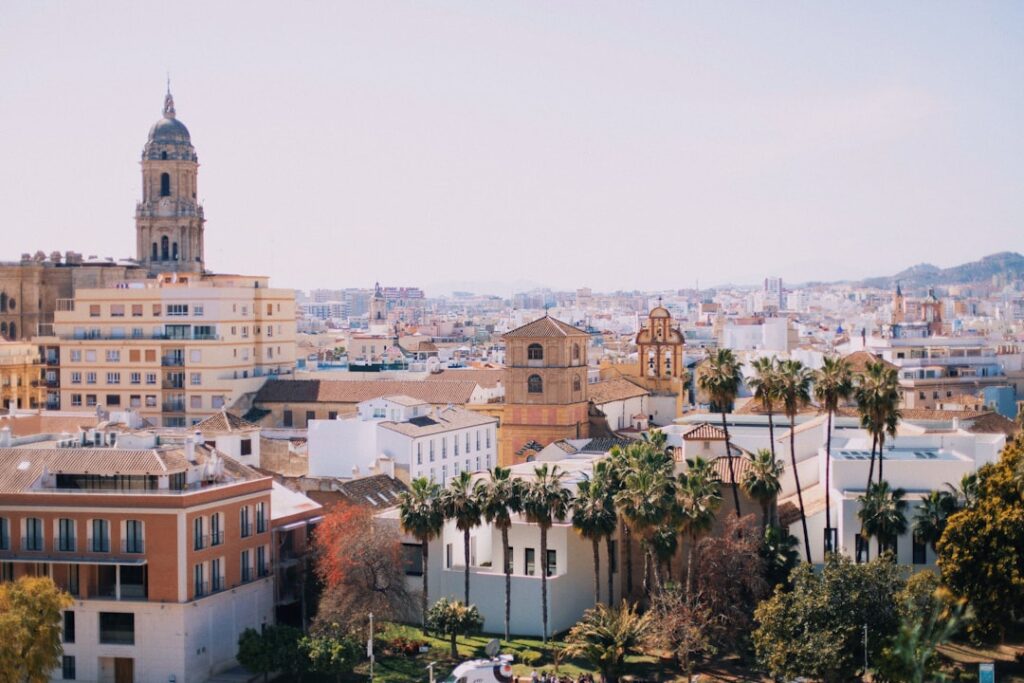
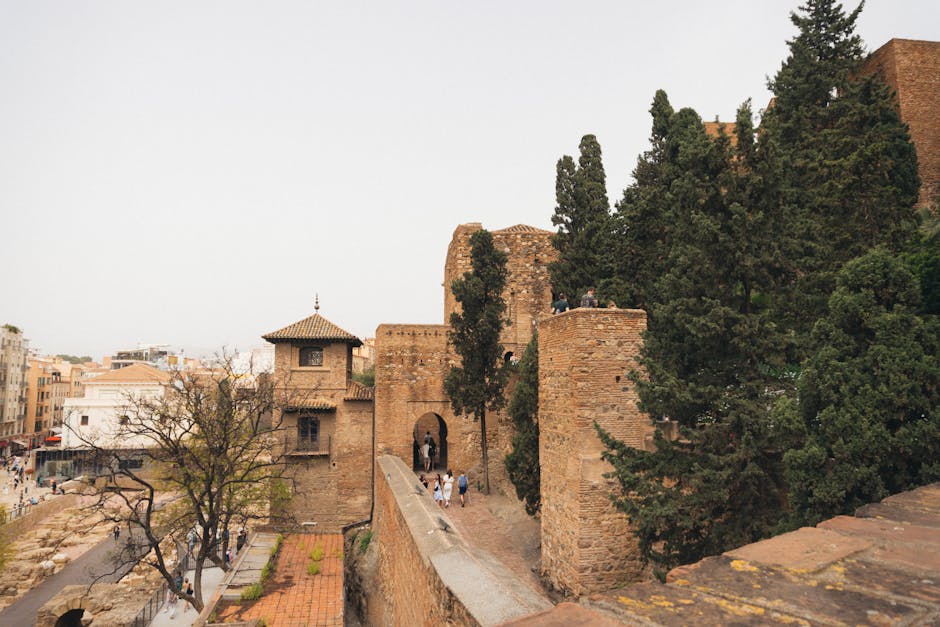
The historic center (Centro Histórico) is Málaga’s beating heart. Here you’ll find landmarks like the Alcazaba of Málaga (an Almohad palace-fortress), Gibralfaro Castle, Málaga Cathedral (Catedral de la Encarnación de Málaga) and the Picasso Museum Málaga (Museo Picasso Málaga, Palacio de Buenavista). These sites tell a layered story — Roman, Muslim, Christian — visible in the city’s architecture and layout: walls, courtyards, plazas and Baroque façades. Markets such as the Mercado Central de Atarazanas (C. Atarazanas, 10, 29005 Málaga) offer a sensory dive into local gastronomy: fresh fish, fruit, olives, gazpacho and tapas.
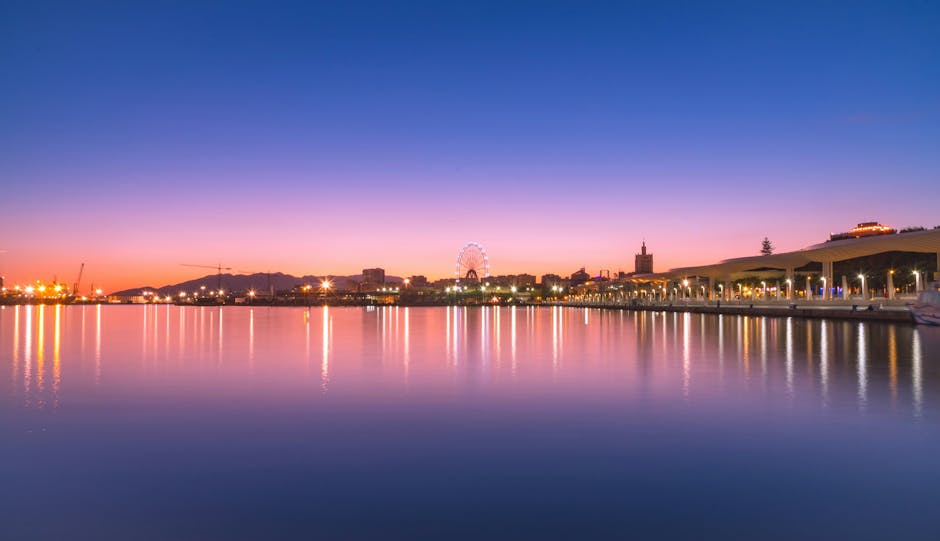
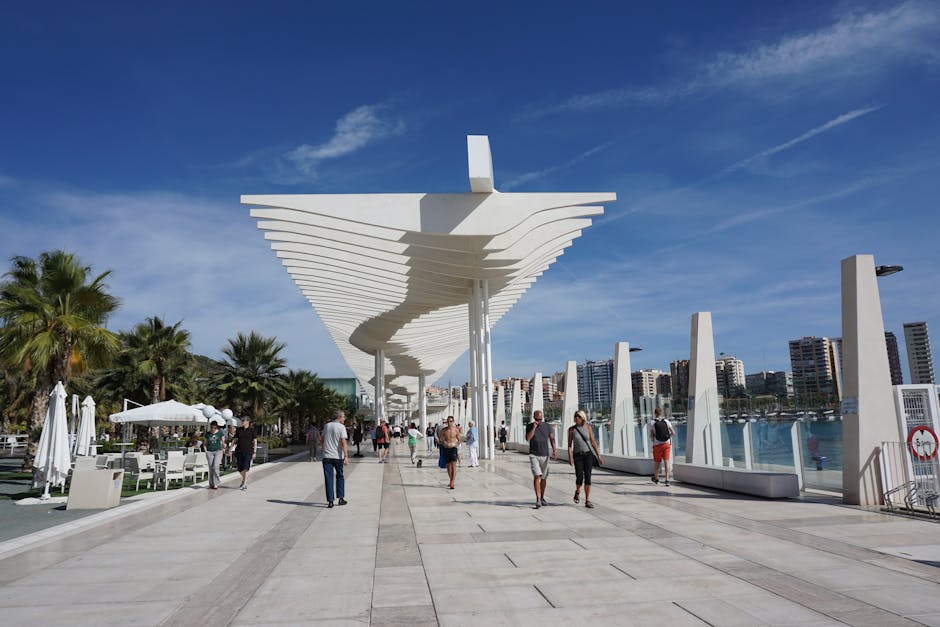
By contrast, the new port represents 21st-century Málaga. The waterfront redevelopment gave birth to Muelle Uno (Pier 1), the Palmeral de las Sorpresas (a landscaped promenade), the Centre Pompidou Málaga (Centro Pompidou Málaga, Pasaje Doctor Carrillo Casaux, Muelle Uno) and several other contemporary art and design venues. These spots draw families, modern art lovers and visitors seeking a meal with a sea view. Terraces look out over yachts and ferries, and the promenade is perfect for a morning jog or a spectacular sunset.
This guide will break down each world — old town and new port — with practical details: exact addresses, usual opening hours, indicative prices in euros, immersive descriptions and local tips. That way you can decide whether you’d rather stroll shaded alleys searching for an Andalusian patio, tour historical museums and book a guided visit, or spend your day by the water between designer shops and contemporary installations. We’ll also cover connections between the two areas: how to get from the center to the port, how much time you’ll need, and suggested routes to combine the best of both.
Before we start, note that schedules and prices can change depending on tourist season (high season: June–September) or special events. I provide up-to-date, practical guidance based on the latest available information and local tips to avoid queues and make the most of your visit. Lace up your walking shoes; Málaga is best discovered on foot while soaking in the rhythm of its people, somewhere between history and innovation.
The old town: heritage, museums and markets — what to see and how to plan
Málaga’s historic center is compact and packed with sights. Start your visit near Málaga Cathedral (Catedral de la Encarnación de Málaga), located at Calle Molina Lario, 9, 29015 Málaga. The cathedral is typically open from 10:00 to 18:00 (closing times may vary around services); adult tickets cost about €8.00, reduced rates around €6.00, and audio guides are available for roughly €3.00. The stunning Renaissance façade and Baroque interior deserve at least 45 minutes. If the south tower is open, climbing it offers a lovely view over the city.
A few steps away, the Picasso Museum Málaga (Museo Picasso Málaga, Palacio de Buenavista) sits at Calle San Agustín, 8, 29015 Málaga. Usual hours: Tuesday to Sunday 10:00–19:00, closed on Mondays. Standard tickets are around €12.00 (reduced rates and evening openings may be available). The museum traces Picasso’s chronology with works on loan and temporary exhibitions — check the online program before you go. Local tip: buy tickets online to skip the morning line, especially in high season.
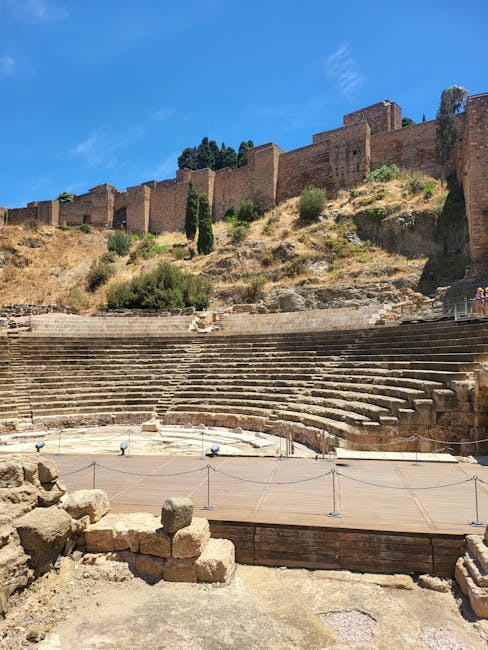
A must-see is the Alcazaba of Málaga, a strategic fortress sitting between the Roman Theatre and Gibralfaro Castle. Address: Calle Alcazabillas, 2, 29012 Málaga. Typical hours: 9:00–20:00 in high season; a combined Alcazaba + Gibralfaro ticket costs about €5.50 (single Alcazaba entrance ~€3.50, Gibralfaro alone ~€3.50), with ticket booths at the entrances. The Alcazaba, an 11th-century Muslim fortress, features gardens, courtyards and views over the adjacent Roman theater. From there, continue up to Castillo de Gibralfaro (Calle Castillo de Gibralfaro, 29016 Málaga) for panoramic views of Málaga Bay and the city — the walk between the two is picturesque.
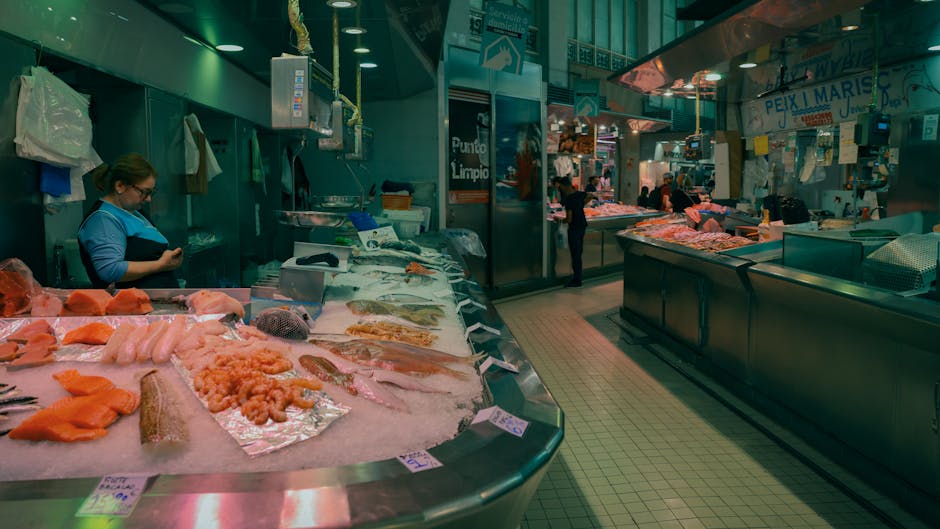
For a taste of local life, visit the Mercado Central de Atarazanas at C. Atarazanas, 10, 29005 Málaga. Typical hours: Tuesday to Saturday 8:00–14:30 (some stalls open earlier), closed Sundays. Don’t miss the fish stalls (pescadería), Iberian ham and seasonal fruit. You can have lunch there for roughly €8–15 depending on your choices: tapas, local fried fish (fritura malagueña), or a seafood plate. Tip: find the market bar that serves fresh pescaito frito and ask for the daily specialty.
The Centro de Arte Contemporáneo (CAC Málaga) is at Calle Alemania, 13, 29001 Málaga. Hours: Tuesday to Sunday 10:00–20:00, and entry is usually free or around €2–3 depending on temporary shows. The CAC focuses on the international and local contemporary scene. Between museums and monuments, give yourself time to get lost in the surrounding streets: Calle Larios (shopping and architecture), Plaza de la Constitución (the historic core) and tiny plazas dotted with cafés.
- Practical tips: If you’re short on time, combine Alcazaba + Gibralfaro in the morning (allow 2–3 hours), then lunch at the Atarazanas Market. In the afternoon, visit the Picasso Museum or the cathedral depending on your interests.
- Transport: most central sites are walkable. For Gibralfaro, take bus C1/C2 (Gibralfaro route) up to the castle; expect a fare of €1.30–€1.70 for a city bus ticket, or a taxi for around €6–10 from the center.
- Safety: as in any tourist center, keep an eye on your belongings in busy areas (Calle Larios, markets).
The new port (Muelle Uno and Palmeral): modern architecture, museums and dining by the sea
Málaga’s revamped waterfront offers a bright alternative to the historic center. Muelle Uno (Muelle Uno, Puerto de Málaga) is a shopping and dining promenade along the port. Approximate address: Muelle Uno, Muelle de Heredia, 29016 Málaga (port area). It’s ideal for an evening stroll, dinner with a view or a visit to the Centre Pompidou Málaga. Shops and restaurants typically open from 10:00 and close between 22:00 and 00:00 depending on the venue; the promenade itself is open 24/7.
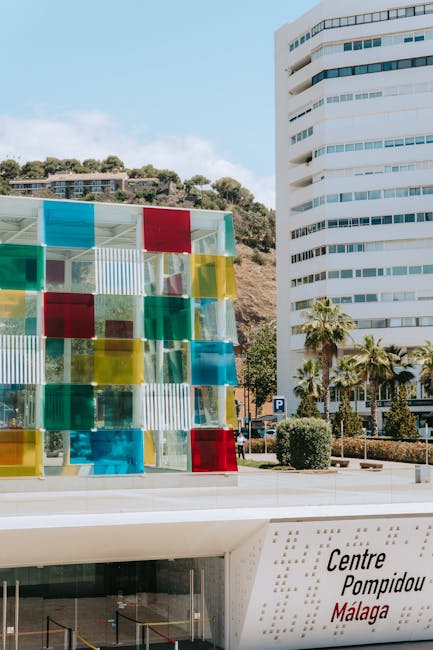
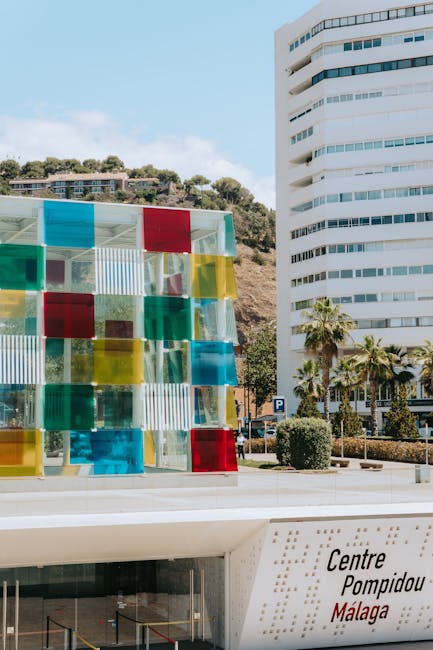
The Centre Pompidou Málaga is located at Pasaje Doctor Carrillo Casaux, Muelle Uno, 29016 Málaga. Usual hours: Tuesday to Sunday 10:00–20:00, closed Monday. Ticket prices: general admission approximately €9.00–€11.00, with discounts for students and seniors. The colorful cube building houses a selection of modern works and traveling exhibitions from the Pompidou network. Nearby, the Centro de Arte Contemporáneo (CAC) and other galleries round out the port’s cultural offerings.
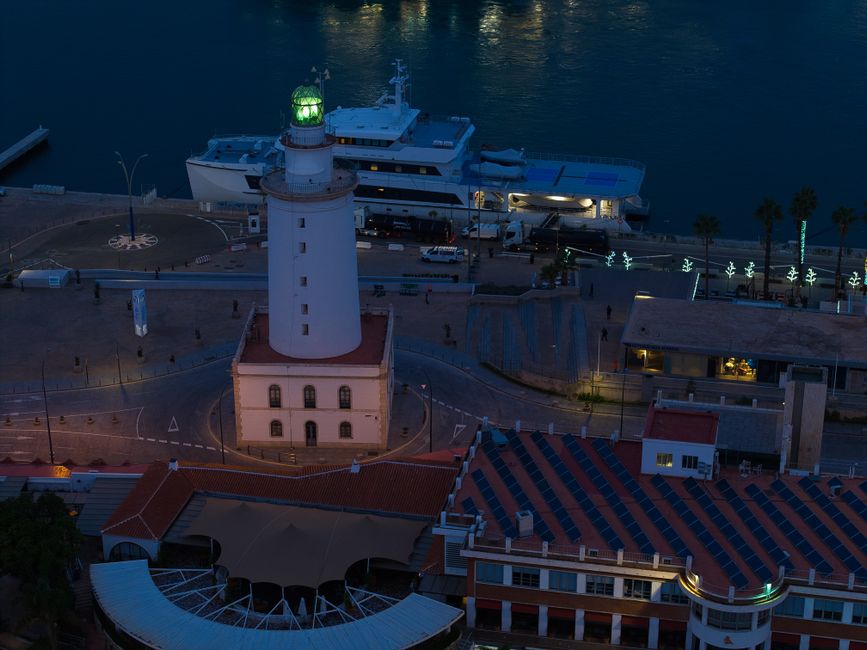
The Palmeral de las Sorpresas is a landscaped stretch along the port with palm trees, playgrounds and walkways. It connects Muelle Uno to the historic harbor and makes the transition between the old town and the waterfront seamless. It’s popular with families and joggers. On Muelle Uno you’ll also find the Málaga Port Centre and several tourist information points.
When it comes to food, Muelle Uno is packed with options: restaurants like El Balneario — Restaurante La Malagueta (Paseo Marítimo El Pedregal s/n, 29016 Málaga) serve fresh fish and paella, with prices starting from about €15 for tapas to €30–45 for seafood dishes. For a more casual vibe, Restaurante El Tintero (Playa del Dedo area, slightly out of the direct port) is famous for serving dishes on moving trays that are claimed at the table; budget around €15–25 per person. For a sweet treat, the terrace kiosks at Espacio Málaga offer ice cream and coffee for €3–6.
The port also hosts seasonal events (night markets, open-air concerts). Parking and access can get busy in summer; favor biking (bike hires in Vélez-Málaga) or walking from the center (about 20–30 minutes from the cathedral). From Plaza de la Marina, the route to the port is direct and pleasant. Public transport includes city buses and, from some stops, moving walkways.
- Useful hours and prices: Muelle Uno shops 10:00–22:00, restaurants 12:00–00:00; Centre Pompidou 10:00–20:00, ticket ~€9–11.
- Local tip: for a memorable sunset, grab a terrace on the west side of Muelle Uno — reserve in advance during summer weekends.
- Access: a 20–30 minute walk from the historic center; taxi ~€6–10 depending on traffic; city bus €1.30–€1.70.
Museums and art compared: Picasso, the Alcazaba and contemporary work at the port
Málaga is an open-air museum, but it’s also a compact stage for artistic dialogue. In the historic center, the Picasso Museum Málaga (Palacio de Buenavista, Calle San Agustín, 8) represents the legacy of one of the 20th century’s most influential artists. Expect to pay around €12.00 for an adult ticket, with possible discounts and occasional late openings. Exhibitions are generally open from 10:00 to 19:00 — check the official site for exact hours.
Alongside ancient history, the Alcazaba and Castillo de Gibralfaro recount centuries of military defense and Islamic and Christian architecture. Their walls, towers and gardens display another kind of art: the art of living and military engineering. A combined visit to Alcazaba and Gibralfaro gives you a full reading of the urban landscape: gates, ramparts, stairways, panoramas and archaeological remains.
On the waterfront, modern and contemporary institutions speak Málaga’s other cultural language. The Centre Pompidou Málaga is dedicated to modern art with international contemporary exhibitions and operates in partnership with the Centre Pompidou in Paris. Visiting the Pompidou takes 1–2 hours and, with a ticket around €9–11, you’ll often find standout temporary shows. CAC Málaga (C. Alemania, 13) sometimes offers free or low-cost exhibitions and attracts a younger crowd and local artists.
Which experience you pick depends on your tastes. If you love history, archaeology and classical architecture, the old town will give you hours of exploration and a deep sense of time. If modern art, contemporary installations and an urban seaside atmosphere appeal to you, the new port and its museums will satisfy. For balance, plan half a day in the historic center (Alcazaba + cathedral + market) and half a day at the port (Pompidou + promenade + dinner by the sea).
- Visiting tip: buy skip-the-line tickets for the Picasso Museum and the Centre Pompidou if you’re traveling in high season. Combine timing: classical museum in the morning + port in the afternoon to catch the sunset.
- Cultural budget: plan about €25–40 per person to visit two paid museums and one historical attraction (standard tickets).
Food experiences and practical tips: where to eat, sleep and get around
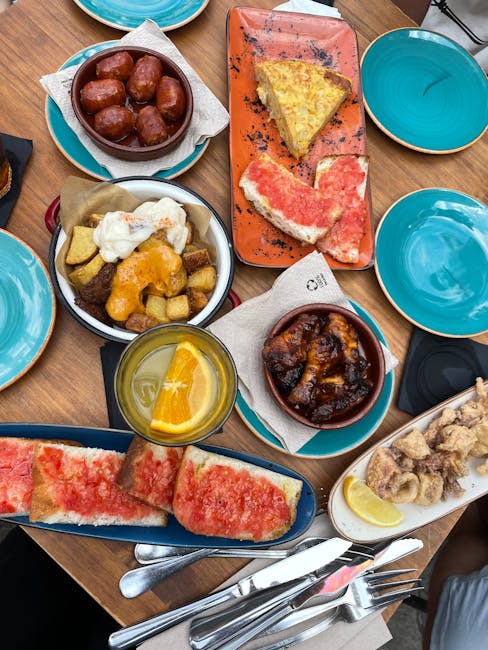
Málaga knows how to satisfy food lovers. In the old town, historic spots like El Pimpi (Bodega El Pimpi), at Calle Granada, 62, 29015 Málaga, are institutions: Andalusian wines and tapas served in salons decorated with celebrity photos. Prices: tapas €3–8, main courses €12–25. Hours: 11:00–01:00 (seasonal variation). Reserve for weekend dinners. For a market experience, opt for lunch at Mercado Central de Atarazanas — a seafood board and a glass of wine can cost €12–20.
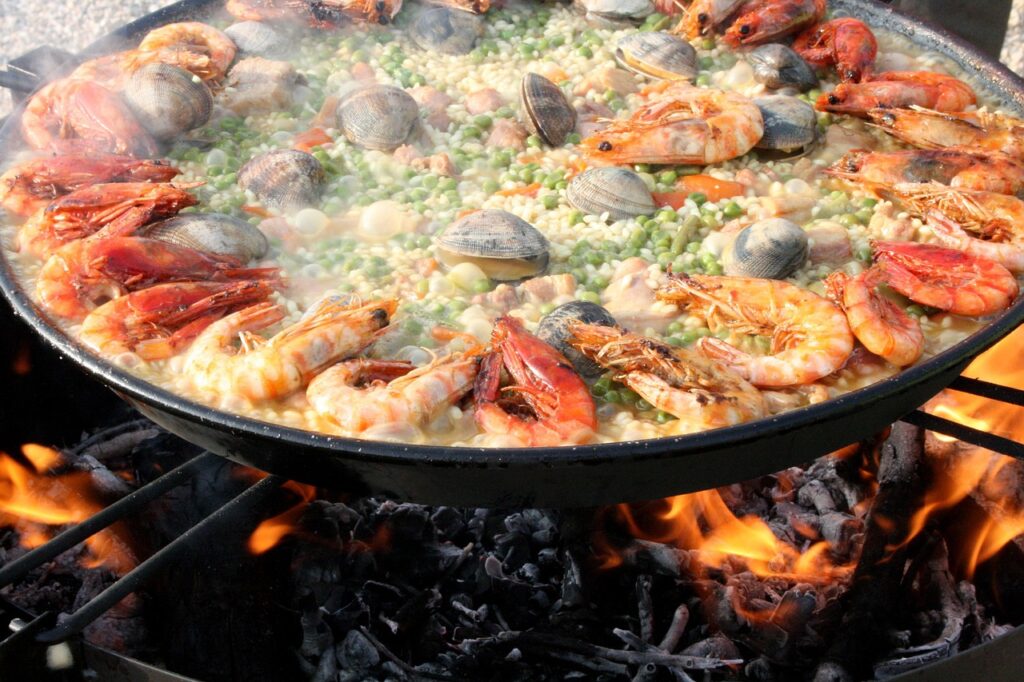
On the waterfront, several restaurants offer bay views. Restaurante La Malagueta (El Balneario) on the Paseo Marítimo is a classic for paella and grilled fish; address: Paseo Marítimo El Pedregal s/n, 29016 Málaga. Average budget: €18–35 per person depending on dishes and drinks. For a trendy, informal option, Muelle Uno has numerous kiosks and bistros where you can lunch for €10–20 while watching the boats.
Accommodation: the old town offers paradores, boutique hotels and guesthouses (prices vary). A centrally located hotel like Room Mate Larios (Calle Marques de Larios, 2, 29005) can range from €80–150 per night in high season. Along the waterfront, modern hotels offer sea views and pools: expect €100–200 per night depending on the level of comfort. Tip: book early for summer and check transport proximity if you plan visits outside the center.
Getting around: Málaga is well connected. The airport (Málaga-Costa del Sol Airport, Avenida del Comandante García Morato, s/n, 29004) is about 8 km from the center; a taxi costs roughly €20–25, while some city buses (C1 line) are around €3.00 depending on the route. The suburban train (Cercanías) links certain beaches and coastal towns. Walking is the best way to explore the historic center; to go between the center and the port, allow 20–30 minutes on foot or take an inexpensive taxi.
- Local tips: carry a water bottle and wear comfortable shoes; some streets are cobbled and steep around Gibralfaro.
- Spanish meal times: remember that main lunches typically happen between 13:30 and 16:00, and dinners start after 21:00. Some museums close one day a week (often Monday).
- Avoiding queues: arrive early at the Alcazaba and Gibralfaro (or later in the day for the best light). For port restaurants, booking a terrace table is recommended.
Conclusion — Making the choice: blend history and innovation for a complete visit
Choosing between Málaga’s old town and the new port doesn’t have to be exclusive: it’s more about composing an itinerary that fits your priorities. If you travel with a deep interest in history, architecture and classical museums, spend more time in the Centro Histórico — Alcazaba (Calle Alcazabillas, 2), Castillo de Gibralfaro (Calle Castillo de Gibralfaro), Picasso Museum (Calle San Agustín, 8) and the Cathedral (Calle Molina Lario, 9) will immerse you in centuries of Andalusian history. For fans of contemporary art, urban design and a seaside atmosphere, the new port — Muelle Uno (Muelle de Heredia), Centre Pompidou Málaga (Pasaje Doctor Carrillo Casaux, Muelle Uno) and the Palmeral de las Sorpresas — brings a decidedly modern, friendly touch.
Practically speaking, I recommend combining them over a day and a half: a historical morning (Alcazaba + Roman Theatre + cathedral), lunch at Mercado Central de Atarazanas (C. Atarazanas, 10), an afternoon at the Picasso Museum or CAC Málaga, then an evening at Muelle Uno for dinner by the sea and a possible visit to the Centre Pompidou the next morning. This route optimizes time, minimizes travel and takes advantage of the best light for photos — early morning at the Alcazaba and sunset over the port.
Estimated budget for a combined day: about €25–50 per person for museum and monument entries plus meals (varies by restaurant choices). For a complete two-day experience, budget €80–150 per person including mid-range accommodation. Always verify official opening hours before heading out: some sites close in low season or have reduced hours.
Finally, a few last-minute tips: bring a hat and sunscreen in summer, favor closed shoes for the old town’s cobbles, and don’t hesitate to ask locals for their favorite spots — Malagueños are often proud to share a great tapas bar or a secret viewpoint. Málaga wears many faces; whether you choose the history of the old town or the buzz of the new port, you’ll always leave feeling you’ve touched a bit of Andalusian soul: warm, artistic and inventive.