





Introduction: why travel safety in Malaga matters
Malaga, the capital of the Costa del Sol, draws millions of visitors every year with its mild climate, rich history and lively Mediterranean lifestyle. Still, as with any major tourist destination, it pays to prepare by knowing the local safety issues so you can enjoy the beaches, museums and winding streets of the historic center with peace of mind. This practical guide explains what you need to know before you go: health precautions, protection against petty crime, transport tips, nightlife etiquette and useful contacts. It mixes concrete information (addresses, opening hours, prices) with local-tested advice so your trip is both enjoyable and safe.
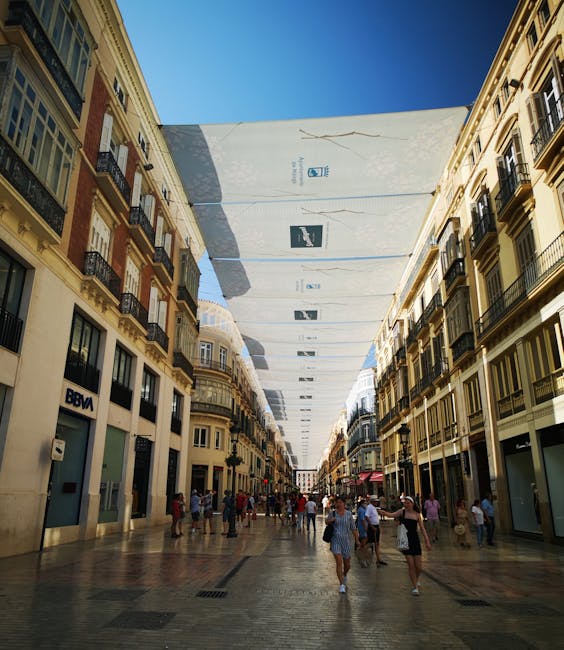
Malaga is generally a safe city, but some situations call for caution: pickpockets in tourist hotspots like Calle Larios, scams around the beaches, or risky behavior at night. Knowing where to find key services (police station, on-duty pharmacies, hospitals) and the opening hours of major attractions will save you headaches. This guide also offers practical tips on managing personal belongings, using public transport (Cercanías Renfe, buses and taxis), and staying safe on the beach and at sea. You’ll find exact addresses for must-see sites — the Alcazaba, the Roman Theatre, the Cathedral of the Incarnation, the Picasso Museum — with typical opening hours and ticket prices to help you plan your budget and itinerary.
Finally, this guide is aimed at all types of travelers: couples, families with children, seniors, business travelers and backpackers. The recommendations are neutral, realistic and based on local practice: where to withdraw cash without excessive fees, how to spot compromised ATMs, how to negotiate a taxi at night, or how to react if your documents are lost. Our goal is to boost your confidence before departure so you can fully enjoy downtown tapas, sunsets at Muelle Uno and cultural walks without worry.
This guide is organized into detailed thematic sections (daily safety in the city center, beaches and maritime activities, transport and mobility, health and emergency) with concrete examples — precise addresses and time slots — and practical local tips. Read it carefully before you travel and keep a digital copy accessible while you’re on the road.
Safety in the historic center: stay alert around tourist sites
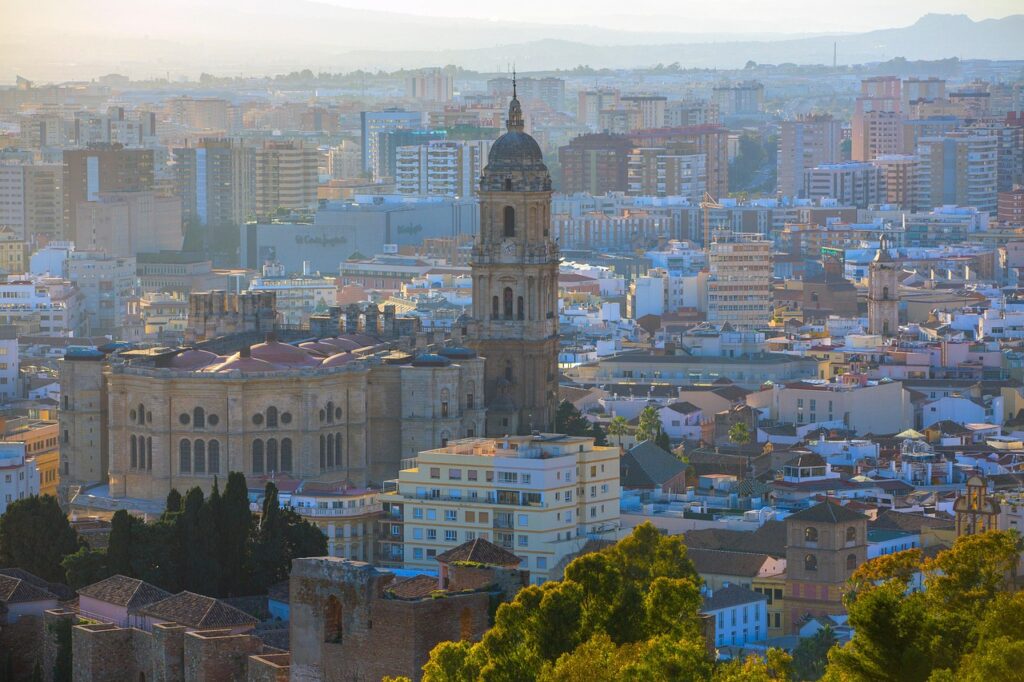
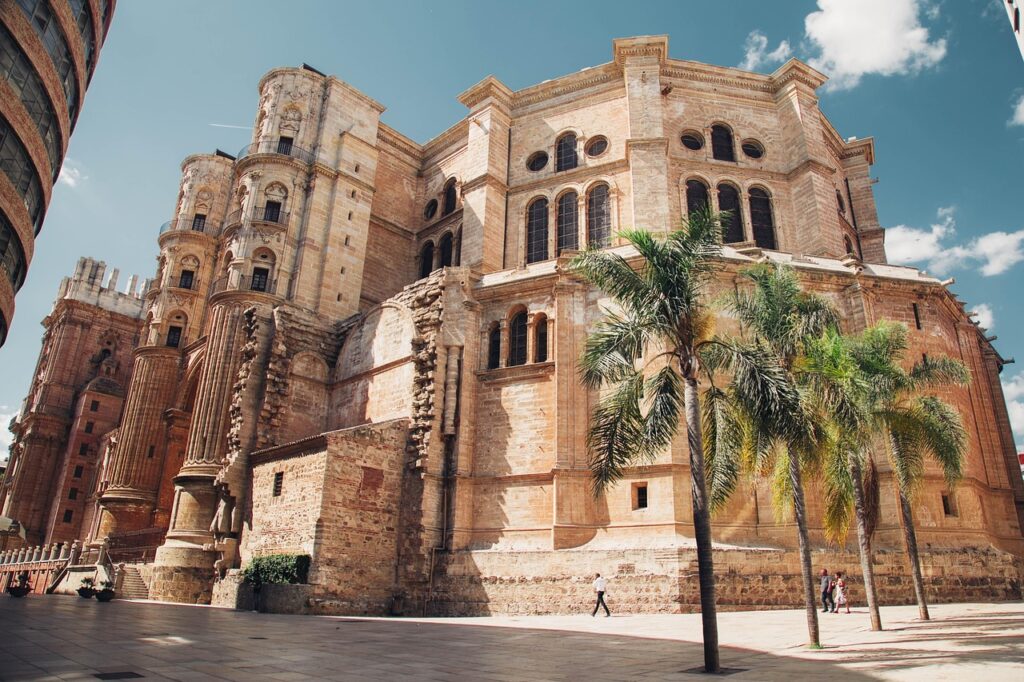
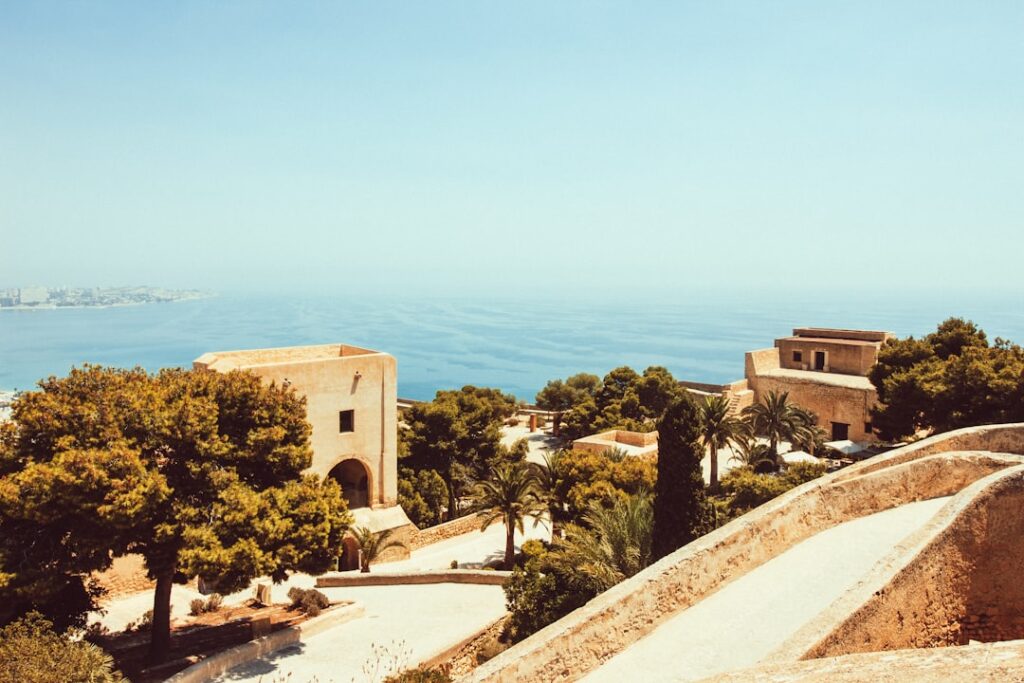
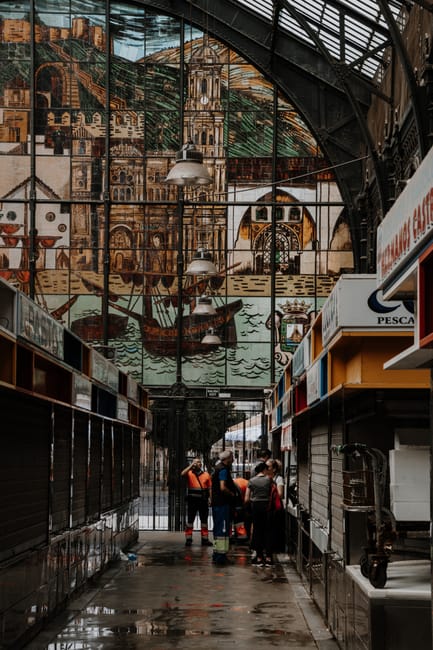
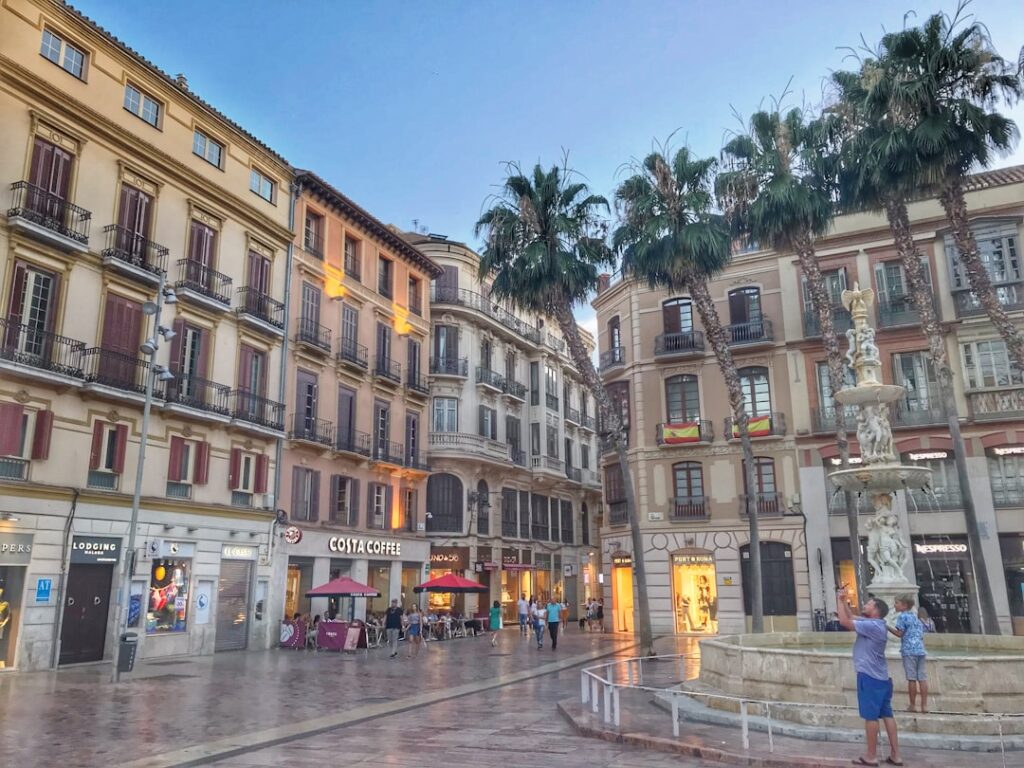
Malaga’s historic center concentrates most of the tourist attractions: the Malaga Cathedral (Santa Iglesia Catedral Basílica de la Encarnación), the Alcazaba, the Roman Theatre, Calle Marqués de Larios and the Atarazanas Central Market. These places are generally safe during the day, lively and well-patrolled, but the crowds can attract organized pickpockets. Learning to spot and avoid risky situations is the first line of defense.
Useful addresses and information:
- Alcazaba de Málaga — Calle Alcazabilla, 2, 29012 Málaga. Typical opening hours: generally 9:00–20:00 (hours vary by season). Indicative price: around €4.50 for entrance only; combined Alcazaba + Gibralfaro Castle ticket about €6.50. Tickets can be bought at the gate or online to avoid the queue.
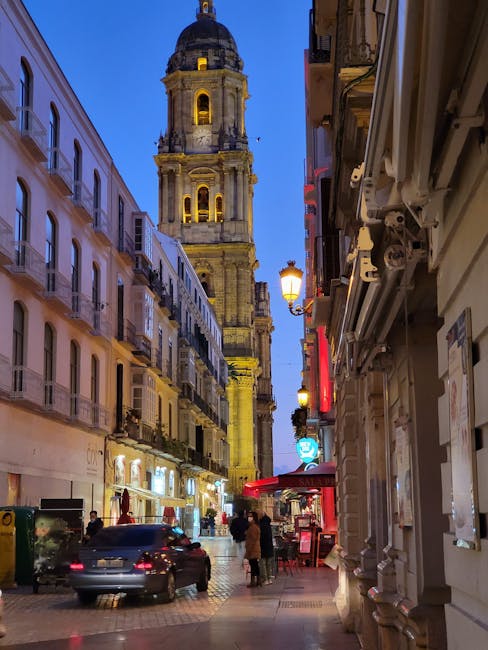
- Catedral de Málaga (Santa Iglesia Catedral Basílica de la Encarnación) — Calle Molina Lario, 9, 29015 Málaga. Hours: 10:00–18:00 (sometimes closed or reduced hours during ceremonies). Indicative price: simple visit ≈ €6–8, visit including tower access ≈ €10–12.
- Mercado de Atarazanas — Calle Atarazanas, 10, 29005 Málaga. Usual hours: 8:00–15:00 (closed in the evening). A lively central market ideal for fresh produce; be mindful of pickpockets during peak times.
Practical tips and behavior:
- Personal belongings: favor a zipped bag worn across your body at the front. Don’t leave your phone or wallet on a café table. Keep your passport in an inner pocket; carry a photocopy on you and leave the original in a safe place at your hotel.
- ATMs: use machines located inside bank branches or in well-lit, busy places (for example, bank branches on Calle Larios) to reduce the risk of skimming devices.
- Common scams: you may be approached to sign a petition or offered a “traditional” bracelet — politely decline and walk away. Avoid overly persistent “helpers” who offer to carry your bags or lead you to a restaurant you didn’t ask for.
- Late hours: Calle Larios and nearby areas stay lively, but after midnight some side streets can be quieter; stick to well-lit streets and consider taking a taxi if you’re alone.
Beach and maritime safety: key precautions
Malaga’s beaches, especially La Malagueta, offer sand, sun and water sports. They’re generally safe, but a few simple rules will help you avoid accidents and theft. Knowing how the beaches are set up, what rescue services are available and typical prices will make your time on the coast more relaxing.
Practical information:
- Playa de La Malagueta — Paseo de la Malagueta, 29016 Málaga. Easy access from the center (10–15 minutes on foot from the Cathedral). The beach is municipal and free. Services: lifeguards in season, public showers, sunbed and umbrella rentals. Approximate rental: umbrella + two chairs ≈ €10–15 per day (prices vary by season).
- Playa de la Caleta — Avenida Princesa, 29016 Málaga (near the Paseo Marítimo). Less crowded, ideal for families and calmer swims.
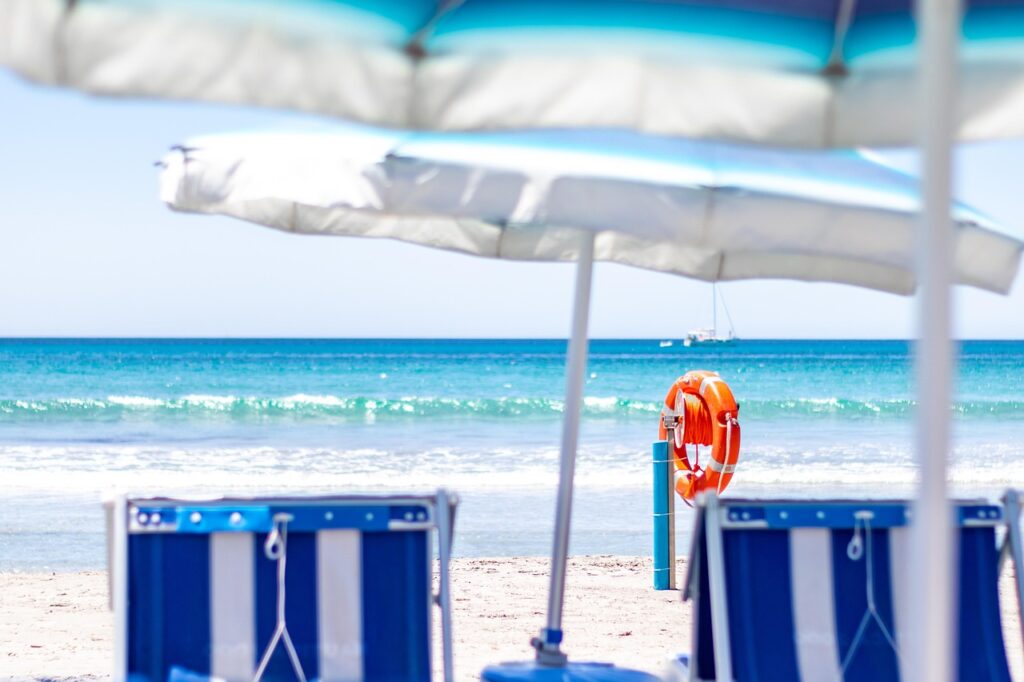
- Sea safety: in season (May–Sept) lifeguard posts and flags indicate sea conditions. Green flag = safe for swimming, yellow = caution, red = swimming prohibited. Respect these signals and avoid swimming too far out if you’re not a strong swimmer.
Local beach tips:
- Valuables: never leave your belongings unattended. If you need to swim, leave valuables in a hotel safe or use a waterproof pouch worn under your clothes for your phone and card.
- Water activities: if you rent a jet-ski or boat, make sure the operator is licensed, takes a card deposit and provides a safety briefing and life jacket. Operators around Muelle Uno and the marina offer varying prices: paddle-board rental ≈ €10–20/hour, jet-ski ≈ €60–120/hour depending on the model.
- Hours: the beach is accessible at any time but services (lifeguards, rentals) are usually concentrated between 10:00 and 19:00 in high season. Choose these time slots for organized activities.
Transport, getting around and road safety: move with confidence
Getting around Malaga is generally easy thanks to a well-developed transport network (EMT Málaga city buses, light metro/tram, Cercanías Renfe trains, taxis and ride-hailing services). Knowing routes, key stations and fares will prevent surprises and reduce the risk of mistakes or scams.
Landmarks and addresses:
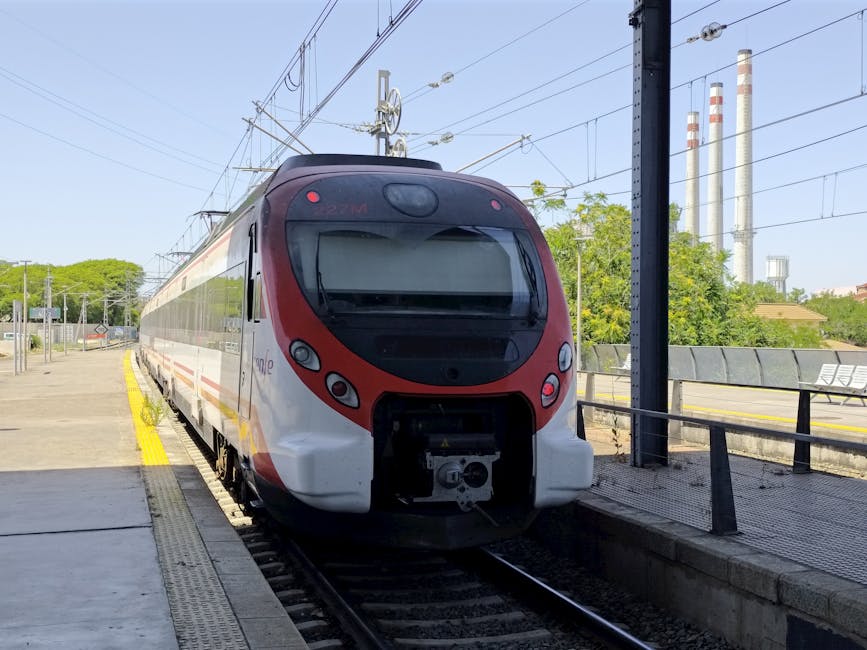
- Estación María Zambrano — Avenida de la Estación, s/n, 29002 Málaga. This is the main rail hub: Cercanías trains (e.g. C1 line from the airport), regional and long-distance trains. Cercanías ticket airport–center ≈ €1.80–2.70 depending on zone; trip ≈ 12 minutes to María Zambrano.
- Aeropuerto de Málaga-Costa del Sol — Málaga Airport (AGP). Several options: C1 train (watch connections and ticket machines), EMT bus line A (Airport Express ≈ €5 one-way, fares subject to change), taxi (fixed fare varies, around €20–25 to the center depending on traffic).
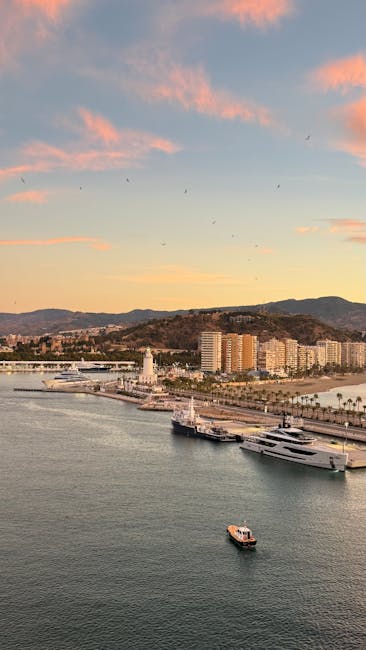
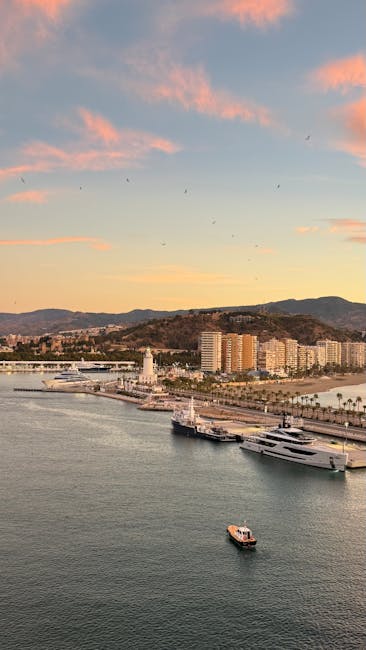
- Muelle Uno / Puerto Málaga — Muelle Uno, s/n, 29001 Málaga. Rebuilt port area, easily walkable from the center. A great starting point for waterfront walks and boat excursions.
Transport safety tips:
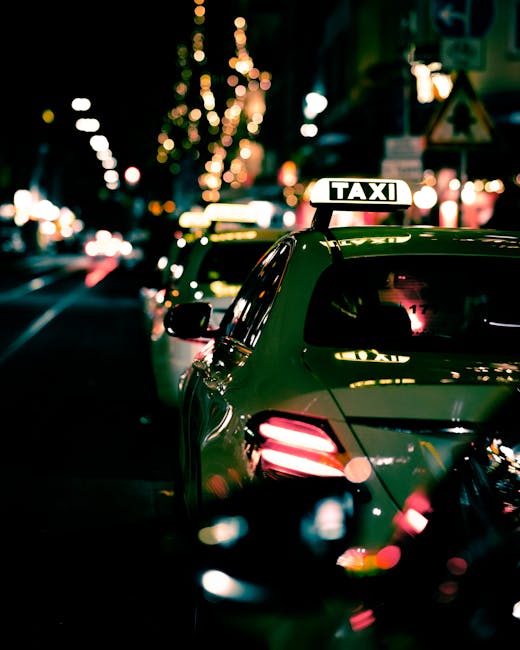
- Taxis: use official ranks (for example the taxi rank at Paseo del Parque) or call a company recommended by your hotel. Make sure the meter is running. A night taxi from the city center to the airport can cost more (around €25–35); rarely negotiate in advance except for private transfers.
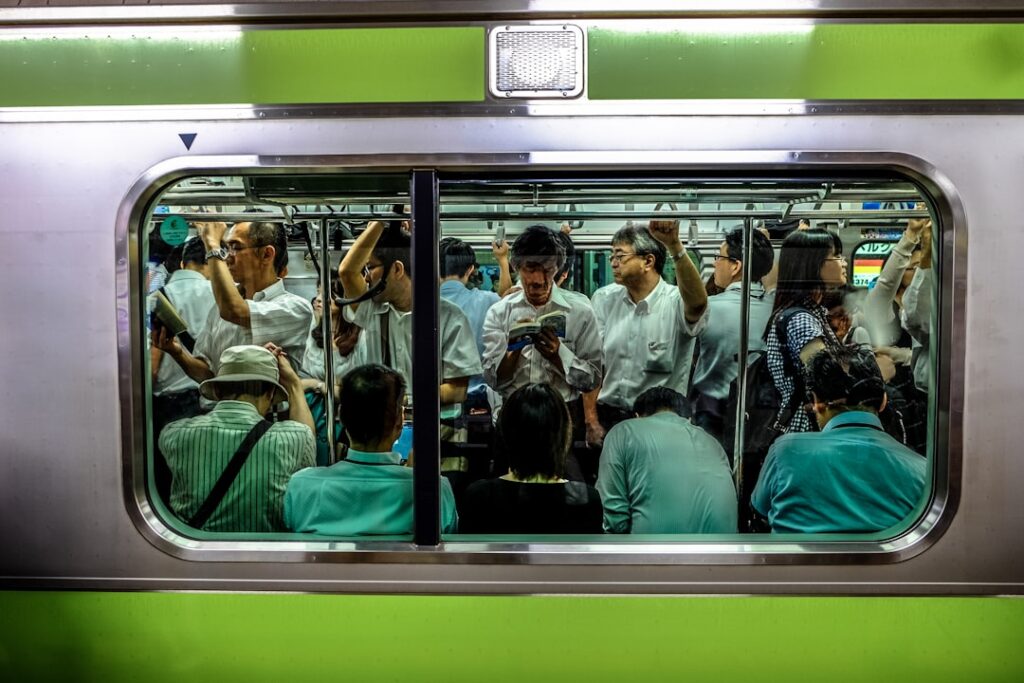
- Trains & buses: keep your luggage close and watch your belongings during quiet hours or at very busy stops. Buy your ticket before boarding and keep it until you leave the vehicle.
- Car rental: parking in the historic center is scarce and often paid (ORA zones). Check insurance conditions (CDW) and inspect the vehicle when you pick it up. Roads around Malaga are generally in good condition, but summer night driving can be more tiring due to traffic.
Health, emergencies and practical advice: who to contact and where to go
Although no one wants an emergency, it’s crucial to know health services and emergency numbers before traveling. Malaga has a good medical network, public and private hospitals, and pharmacies throughout the city. Keeping this information handy can make the difference in case of an accident, sudden illness or theft of documents.
Emergency numbers and useful contacts:
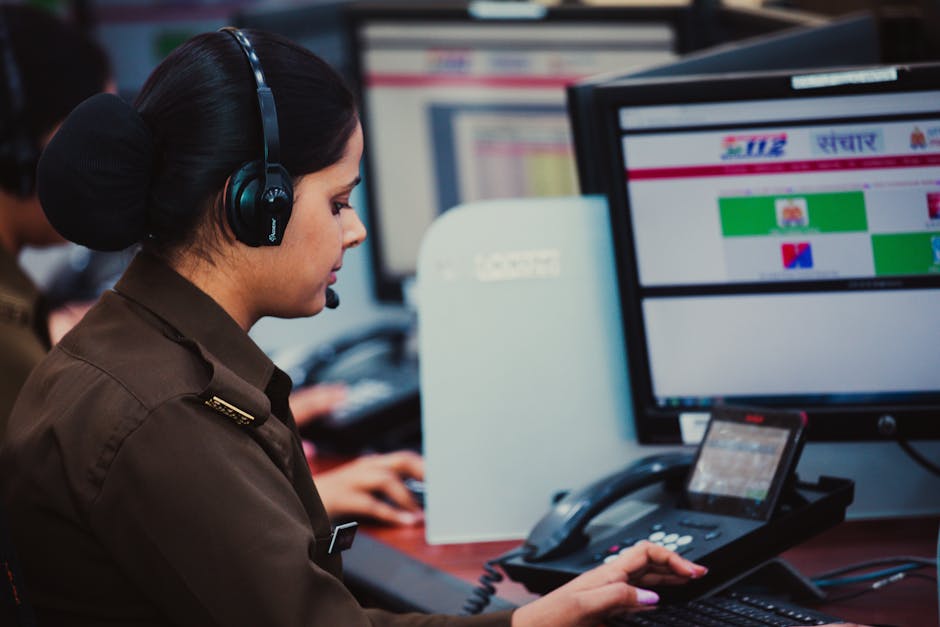
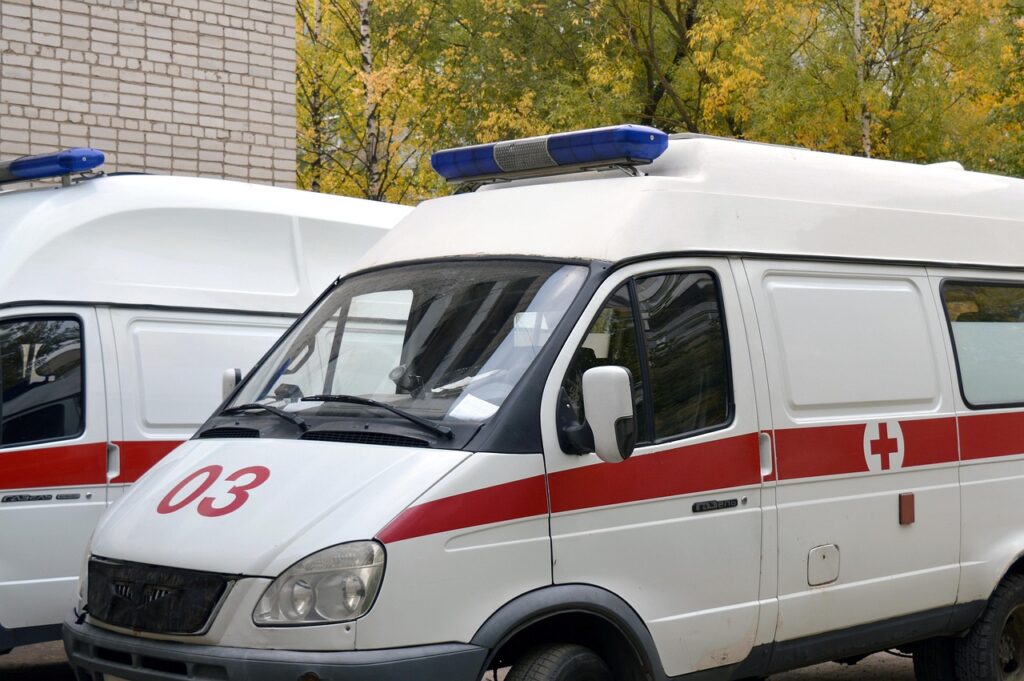
- European Emergency Number — 112: multilingual call line for police, ambulance and fire services. Call in case of immediate emergency.
- Policía Nacional — non-urgent number to report crimes: 091. For the Policía Local (municipal police): 092.
- Hospital Regional Universitario de Málaga — Calle Dr. Óscar Pueyo, s/n, 29010 Málaga. 24-hour emergency services. (Major public hospital; go to A&E if necessary).
- Hospital Quirónsalud Málaga — Calle Antonio de Nebrija, 14, 29010 Málaga. Private hospital with emergency and specialist services (hours vary but A&E open 24h).
- Pharmacies: pharmacies are available in the city center with posted on-duty lists. For example, Farmacia Plaza de la Merced — Plaza de la Merced, 24, 29012 Málaga (hours vary; check the on-duty pharmacy at night).
Practical health tips:
- Travel insurance: make sure your policy covers healthcare in Spain and repatriation if needed. Keep a digital copy of your policy and the insurer’s emergency numbers.
- Medications: bring your usual medications in their original packaging, with prescriptions if possible. European pharmacies sometimes require a prescription for certain medicines.
- Lost documents: if your passport is stolen or lost, contact your embassy or consulate immediately. For EU citizens, an ID card often suffices; however, a police report may be required to get temporary travel documents.
- Sun protection: use sunscreen (SPF 30+), stay hydrated and avoid long exposure during the hottest hours (13:00–17:00) to prevent heatstroke and sunburn.
Final tips and local best practices
Adopt simple but effective habits: tell someone your route if you’re heading out on a long excursion, avoid showing large amounts of cash, and stick to well-lit areas at night. Always ask the price before buying a street service (tours, photos with animals, private parking). Use your card in official establishments and check VAT details on receipts to avoid mistakes.
Conclusion: go prepared to make the most of Malaga
Malaga combines Mediterranean comfort, cultural richness and accessibility. The city is broadly safe for travelers, but preparation and vigilance remain your best allies for a successful trip. By following the recommendations in this guide — securing your belongings in the historic center, respecting beach safety rules, choosing official transport and keeping emergency numbers handy (112, 091, 092) — you’ll significantly reduce common risks and be free to enjoy the city’s treasures: the Alcazaba, the Cathedral of the Incarnation, the Picasso Museum, Muelle Uno and beaches like La Malagueta.
Plan your visits considering the hours and prices mentioned (for example, Alcazaba Calle Alcazabilla, 2 — entrance ≈ €4.50, Catedral de Málaga Calle Molina Lario, 9 — visits ≈ €6–12, Museo Picasso Málaga Calle San Agustín, 8 — ticket ≈ €9–12) and buy tickets online to avoid queues. For health and emergencies, remember the location of Estación María Zambrano (Avenida de la Estación, s/n) to orient yourself when using rail transport, and note the main hospitals listed above. Finally, adopt the local mindset: courtesy, common sense and reasonable caution, especially late at night.
In short, Malaga offers a range of safe and rewarding experiences as long as you follow a few simple rules: keep valuables secure, avoid suspicious gatherings, obey beach signs and use official or recommended transport. With these precautions in place, your stay in the Andalusian capital will be a chance for great discoveries: colorful markets, world-class museums, seaside strolls and memorable tapas. Safe travels and enjoy Malaga!