





Introduction — Strolling Malaga: Historic Centre or Harbour — Which Vibe Fits You?
Malaga is a city best discovered with your eyes and your feet. Between the historic centre — with its cobbled streets and history-soaked monuments — and the modern harbour with its elevated promenade, terraces and cultural venues, the city offers two very complementary atmospheres for travelers who love to wander, watch and soak in local life. Strolling in Malaga means choosing between the whispers of old craftsmen, the distant chime of a cathedral bell and the smell of grilled fish by the waterfront, or opting for a more contemporary experience, paced by the sound of waves, lively quays and temporary exhibitions.
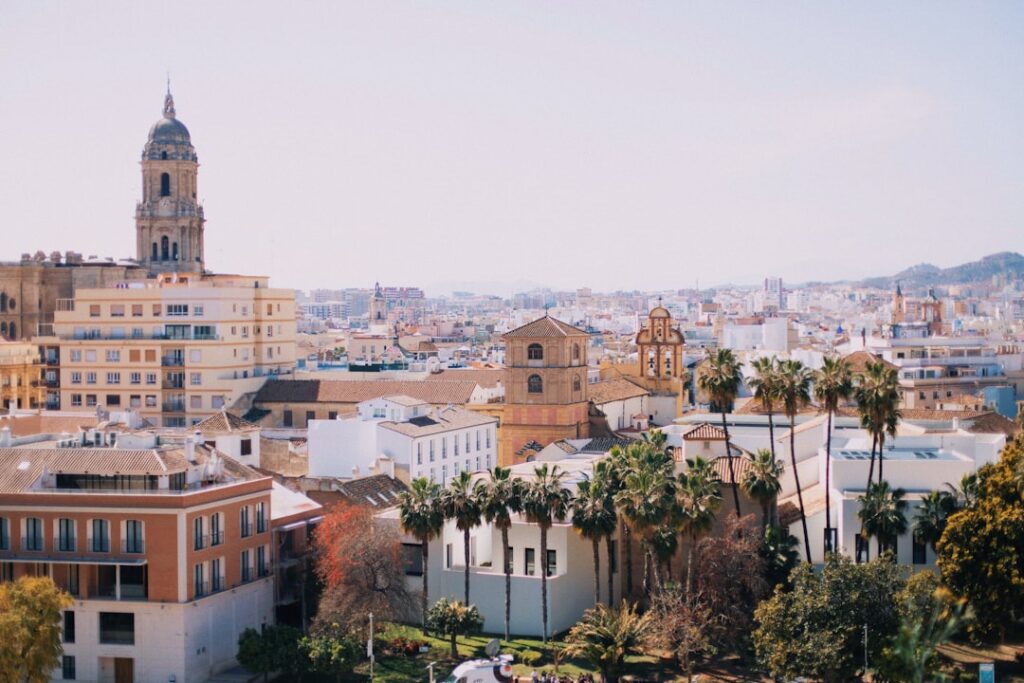
The historic centre of Malaga — often called the « Casco Antiguo » — packs centuries of history into narrow blocks of streets: the Cathedral of the Incarnation (Catedral de la Encarnación de Málaga), the Alcazaba and the neighbouring Roman theatre, Calle Marqués de Larios, intimate squares and bustling markets. Every stone tells a different era: Roman, Moorish, Christian and modern. Strollers will find traditional cafés, artisan shops, taverns serving reasonably priced tapas and small museums. The vibe is often warm and human, perfect for cultural and culinary wandering. The alleys offer shady nooks in summer and become meeting places in the evening when locals head out for a drink.
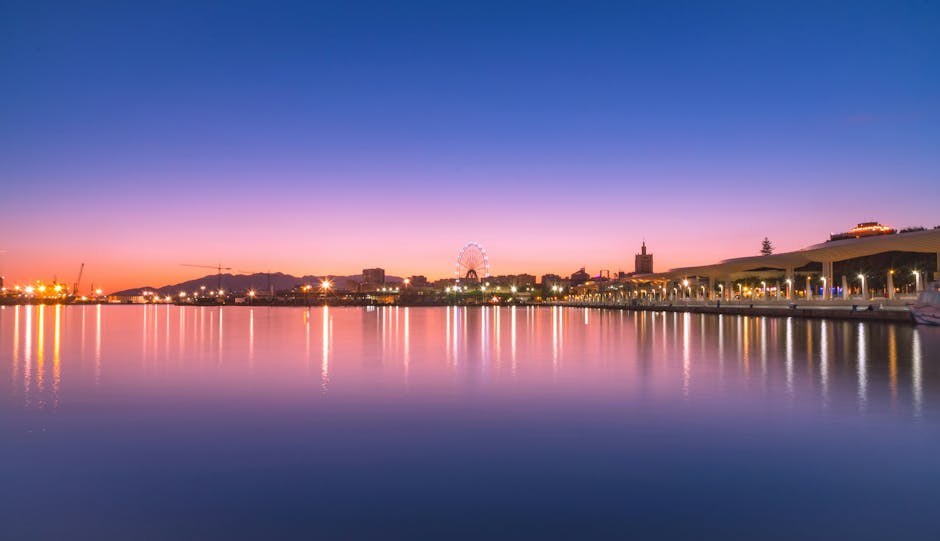
In contrast, Malaga’s harbour — Muelle Uno and the Palmeral de las Sorpresas — is a contemporary showcase turned toward the sea. Wide promenades, waterfront terraces, yachts and cultural pavilions like the Centre Pompidou Málaga create a more international, open atmosphere. Walking the harbour you’ll feel the sea breeze, watch sunsets reflecting on the water and enjoy a more cosmopolitan dining scene. Cafés and restaurants on the quay generally stay open later, and evening entertainment (street musicians, occasional markets) attracts a varied crowd: families, tourists, port workers and locals out for a stroll.
In this guide we’ll compare these two vibes — historic versus harbour — by highlighting iconic spots, exact addresses, prices, opening times and practical tips. You’ll get a clear idea of what each area offers in terms of local immersion, cultural activities, pace of life and recommendations to make the most of an authentic stroll in Malaga.
The soul of the historic centre: monuments, markets and lively lanes
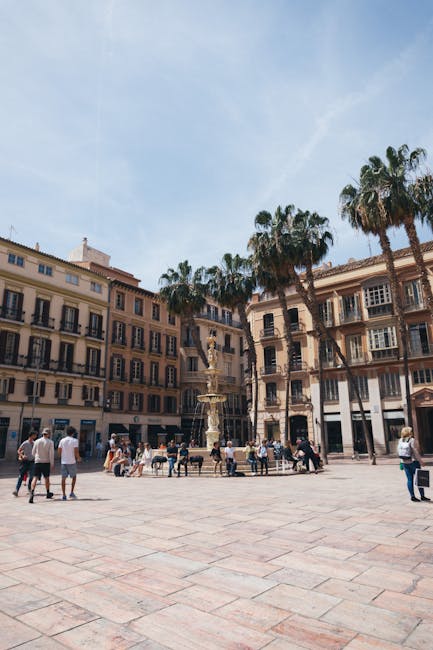
Malaga’s historic centre (Casco Antiguo) is a maze of streets where history reveals itself around every corner: the Cathedral of the Incarnation of Málaga (Catedral de la Encarnación de Málaga), located at Calle Molina Lario 9, 29015 Málaga, is the spiritual and visual heart of the centre. The cathedral is generally open to the public Monday to Saturday from 10:00 to 18:00, and Sunday from 14:00 to 18:00; a basic entry ticket costs around €6.00 (check current prices at the ticket office). A short walk away, Plaza de la Constitución is a lively central square, perfect for people-watching from a terrace.
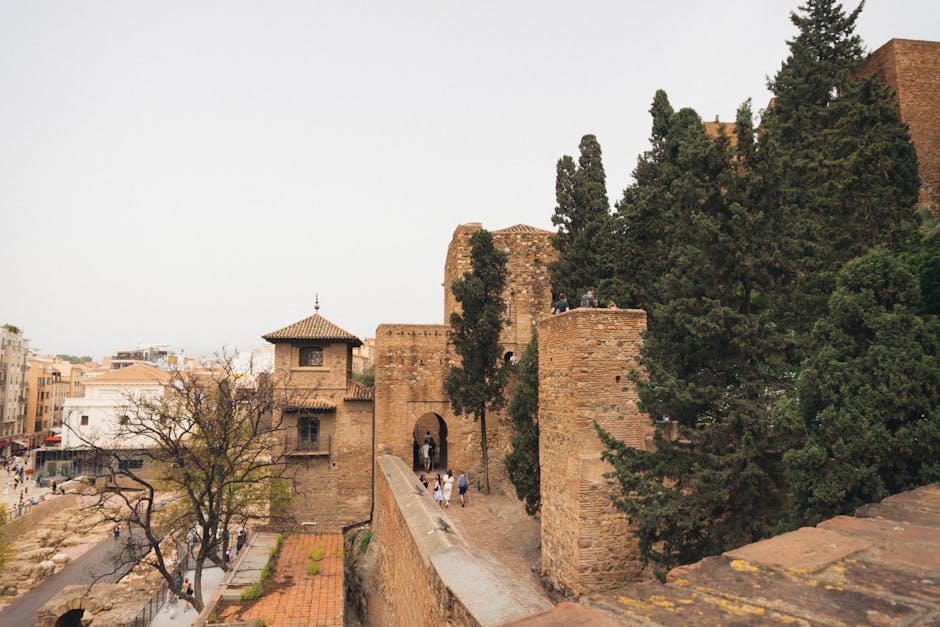
The Alcazaba of Málaga, a major monument, is located at Calle Alcazabilla 2, 29012 Málaga. The Alcazaba is often open from 09:00 to 20:00 (hours vary by season). Castillo de Gibralfaro, at Camino Gibralfaro 11, 29016 Málaga, offers panoramic views of the city and the harbour; single-entry tickets are approximately €3.50 for the castle, or around €5.50 for a combined Alcazaba + Castillo ticket (prices subject to change). The Roman theatre (Teatro Romano) adjoins the Alcazaba and can be viewed for free from the street, with occasional access included in guided tours.
The Mercado Central de Atarazanas, at 10 Calle Atarazanas, 29005 Málaga, is a sensory highlight you shouldn’t miss. Usually open Monday to Saturday from 08:00 to 14:30, it’s the central market for local produce: fruit, fish, cold cuts and Andalusian specialties. Entry is free; expect to pay between €2.50 and €8.00 for a tapa or snack on site depending on the stall.
Vibe: the historic centre blends quiet mornings (cafés open from 08:00) with lively afternoons and evenings. Terraces and bodegas serve tapas from around €2.50 a portion, while more tourist-oriented restaurants around Plaza de la Merced can charge €15–25 for a main course. Summer afternoons see the alleys fill with refreshing shade and nights draw locals and visitors alike for terrace drinks. Local tip: if you’re after peace and quiet, avoid the areas around Calle Larios during peak tourist hours — choose nearby small streets like Calle Álamos for a more intimate wander.
The harbour’s pulse: Muelle Uno, Palmeral de las Sorpresas and contemporary culture
Malaga’s harbour, centred on Muelle Uno (Muelle Uno, Muelle de Levante, 29001 Málaga) and the Palmeral de las Sorpresas, offers an unmistakable seaside and relaxed vibe. Muelle Uno is a commercial and gastronomic promenade lined with shops, restaurants and cafés overlooking the quays. It’s also home to the Centre Pompidou Málaga (Pasaje Doctor Carrillo Casaux, s/n, Muelle Uno, 29001 Málaga) — the colorful cubic architecture is eye-catching from the quay. The Centre Pompidou Málaga hosts temporary exhibitions; admission is usually around €9.00 (check exhibitions and discounts) and typical opening hours are 10:00–20:00 Tuesday to Sunday, closed Monday, though times can change with programming.
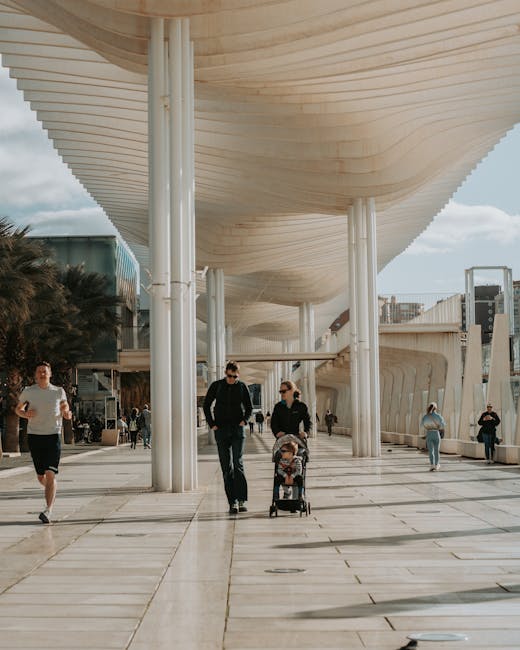
The Palmeral de las Sorpresas is a landscaped promenade with greenery, water features and benches — ideal for a family stroll or a seaside pause. Muelle de Levante often hosts events, concerts and pop-up markets, and you’ll find contemporary tapas bars there where a tapa costs between €3.50 and €6.00, and main courses hover around €12–25 depending on the restaurant.
Visually and sonically, the harbour is more spacious and airy than the historic centre: wide open areas, sea breeze, seagull calls and a view to the horizon. The atmosphere feels international — travelers, cruise visitors and local families. Terraces emphasize comfort and spectacle (think sunset views) and the cultural offerings (museums, installations) draw a different crowd than the purely historic stroller. It’s a 10–20 minute walk from the centre depending on your starting point, and the harbour is also served by city buses and taxis. Local tip: to enjoy the evening lights, head to Muelle Uno between 19:00 and 21:30 when the city lights come on and the air cools — cocktail prices range from about €7 to €12.
Practical comparison and tips to help you choose: hours, prices, best times and routes
Choosing between the historic centre and the harbour depends on the kind of stroll you want. Here are practical pointers to plan your walk:
- Recommended times: for the historic centre, favour the morning (08:30–11:30) to avoid summer heat and enjoy shops that open early. For the Alcazaba and Castillo de Gibralfaro, aim for 09:00–11:00 or late afternoon for golden light. At the harbour, the best hours are late afternoon (17:30–20:30) for a walk and sunset.
- Prices and budget: Alcazaba entry ~€3.50 (or combined ticket ~€5.50 with Castillo), Cathedral ~€6.00, Centre Pompidou Málaga ~€9.00. Markets and tapas: €2.50–8.00 per tapa in the historic centre; harbour restaurants €12–25 per main. City transport: EMT Malaga single bus fare around €1.30; airport « A Express » bus about €3.00.
- Visit duration: allow 2–4 hours for a historic-centre loop (Atarazanas Market, Cathedral, Alcazaba, short breaks), and 1.5–3 hours for the harbour (Muelle Uno, Palmeral, Centre Pompidou, waterside stroll).
- Access: the centre is best explored on foot; bus station/parking: Estación de Autobuses Málaga (Paseo de los Tilos, s/n). The harbour is walkable from Calle Larios (10–20 minutes) or reachable by taxi (around €6–10 depending on distance).
Practical tips: wear comfortable shoes (cobbles in the centre), carry a water bottle in summer, and always have an offline map or app handy (alleys can lose GPS). If you want photos without crowds, get up early for the historic centre; for harbour shots, wait for sunset. And don’t hesitate to combine both: morning in the centre (market + Alcazaba), lunch in a taverna, and late afternoon/evening at the harbour for a full contrast.
Conclusion — Where to stroll in Malaga depending on your mood?
Choosing to stroll the historic centre or Malaga’s harbour isn’t a definitive decision but a matter of mood and tempo. The historic centre invites intimate wandering, steeped in history and small discoveries: colorful markets (Mercado Central de Atarazanas, Calle Atarazanas 10), ancient monuments (Alcazaba, Calle Alcazabilla 2; Catedral de la Encarnación de Málaga, Calle Molina Lario 9) and taverns where it’s easy to chat with locals. The atmosphere is friendly, great for photo stops in shaded lanes and budget-friendly culinary breaks (tapas from about €2.50).
The harbour, on the other hand, is the place to breathe the sea, enjoy a modern promenade, visit contemporary exhibitions (Centre Pompidou Málaga, Pasaje Doctor Carrillo Casaux, s/n) and relax in a more open, airy setting — ideal for families and anyone seeking an international, laid-back vibe. Muelle Uno’s terraces offer water views and spectacular sunsets; it’s the perfect spot to end a day that began at the city’s pace.
Practically speaking, combine both if you can: start early in the historic centre to capture the essence of Malaga, then drift toward the harbour in the late afternoon for a gentler, cosmopolitan evening. Note the times and prices mentioned here (they can vary by season and exhibition) and adapt your plans accordingly. Whatever you choose, Malaga welcomes you with energy and photogenic charm — a city where every stroll becomes a continuous discovery between ancient stone and seaside reflections.