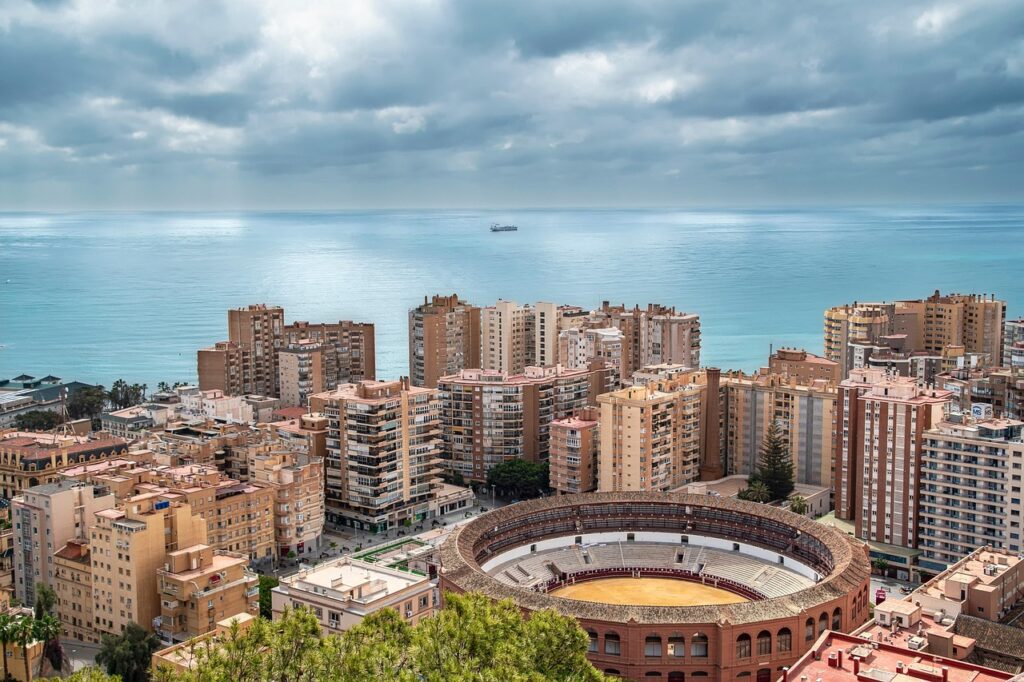






Introduction — What Guidebooks Don’t Tell You About Malaga’s Port
The Puerto de Málaga (Puerto de Málaga / Muelle de Levante) is usually reduced in travel guides to its most photogenic side: a neat waterfront promenade, chic restaurants and the Pompidou Centre Málaga in the background. But this ancient port is a living layer of history, commerce, local routines and everyday atmospheres that often slip through the cracks of quick itineraries. This article fills that gap by revealing what most guides leave out — from port operations and micro-seasons to specific addresses, practical opening hours, indicative prices and local tips for getting around, eating, photographing and understanding the waterfront’s rhythms.
The port is more than a place to board or disembark: it’s a social space where fishermen, sailors, families, customs workers and artists intersect. The quays hide discreet activity like fish being delivered to the Mercado de Atarazanas, nets being mended in tucked-away corners, or rehearsals for summer music festivals. Large infrastructures — Muelle Uno, Palmeral de las Sorpresas, the commercial quays — are used differently depending on the hour, the season and the weather. Understanding those uses transforms the visit: you’ll know when to go to avoid truck traffic noise, where to find ultra-fresh fish, or which terraces keep an open view even at high tide.
Below I lay out concrete spots with exact addresses, sensible visiting hours, indicative prices in euros and immersive descriptions so you can not only see but feel Malaga’s port. You’ll find lesser-known recommendations — for example a discreet bench facing the sea for an uncrowded sunrise, a fish shop where you can order pescaíto frito to take away, the best time for glare-free photos, and how to reach the trails up to Castillo de Gibralfaro from the quay. This guide doesn’t replace an official map but offers practical keys and local observations to get more out of your time by the water.
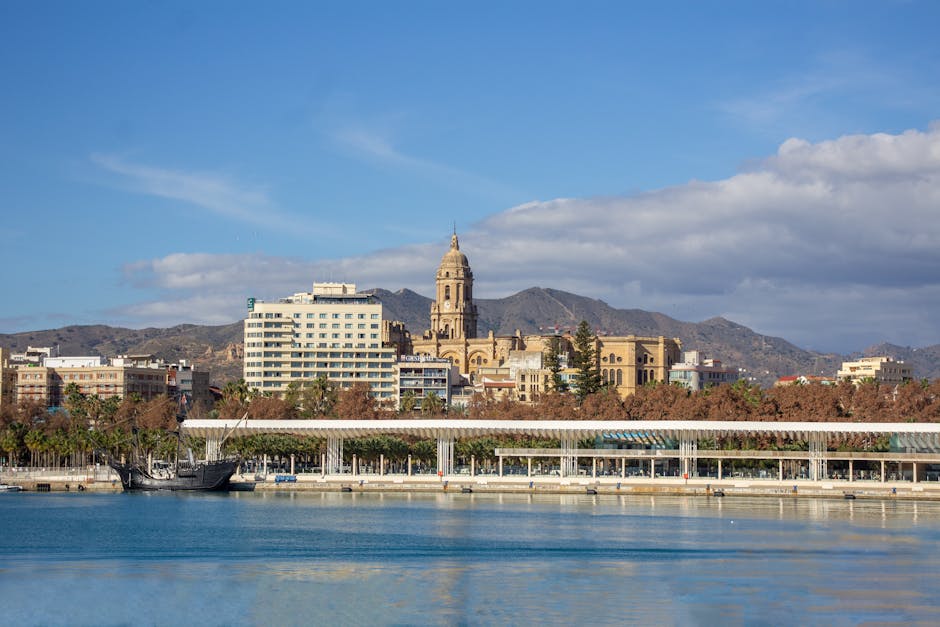
1) Behind the Scenes at the Port: activity, safety and quiet moments
Malaga’s port isn’t a static backdrop: it operates 24/7. Work zones are clearly marked and maritime signage must be respected. Main address: Puerto de Málaga, Muelle de Levante, 29001 Málaga. If you arrive early, between about 05:30 and 08:30, you’ll see the core activity: refrigerated trucks dropping off fish at Mercado de Atarazanas (Calle Atarazanas, 10, 29005 Málaga), cranes, fishing boats and pleasure craft returning to the harbor. Port hours: the public area of Muelle Uno is generally open from 06:00 to 01:00; restricted access zones are permanently closed to the public and monitored.
Important note: security has been stepped up in recent years. The quays are equipped with cameras, municipal patrols and private guards for commercial areas. Don’t try to enter loading zones (Muelle de Levante, between the Paseo del Muelle Uno and the inner quay): fines and removals do happen. For photographers, the safest approach is to stick to public spaces: Palmeral de las Sorpresas (Muelle Uno, 29001 Málaga) offers frontal views of the bay and the historic center without risking being moved on by security.
Local tip: between 11:00 and 14:00, and from 19:30 to 22:30, Muelle Uno and its restaurants are busy. To see port activity without the crowds, stroll the quays between 08:00 and 10:00 or just after 16:00 when tour groups have dispersed. If you want to watch fishermen at work, head to where the open sea meets the port enclosure, at the start of the Paseo del Muelle Uno, near the pilot station. Fishermen will sometimes show you their catch if you buy from the market.
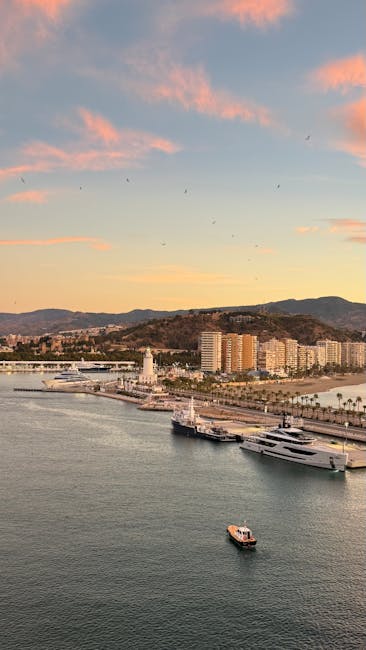
2) Restaurants, Fish and Markets: where to eat away from tourist traps
The port’s food scene is more varied than it looks. Skip the most Instagrammy terraces and look for places locals favor. Here are concrete recommendations with hours and price ranges:
- El Tintero II — Calle Salinas, 5, 29016 Málaga (near El Palo beach but hugely popular with city fish lovers). Hours: 13:00–17:00, 20:00–00:00. Indicative price: pescaíto frito to share, €8–15 per portion. Tip: service is old-school — dishes come around on slates and you signal with a nod or a hand to order.
- La Barra de Zapata (Muelle Uno, unit 4) — Muelle Uno, 29001 Málaga. Hours: 12:00–23:00. Indicative price: tapas €3–9, grilled fish €12–28. Tip: ask for sardinas asadas or the pescaíto del día — often fresher than places further inland.
- Mercado Central de Atarazanas — Calle Atarazanas, 10, 29005 Málaga. Hours: 07:30–15:00 (the market is at its liveliest in the morning). Indicative price: portions of fresh seafood €2–10; seafood platter for two €18–45. Tip: arrive before 10:00 to watch fish arrivals and haggle with the fishmonger.
Don’t miss the concept of pescaíto frito: small fried bites (anchovies, boquerones, calamari) served hot. Buying fish directly at the market for a picnic on the Paseo Marítimo or at Palmeral de las Sorpresas (Muelle Uno) is an authentic local experience. Remember: some restaurants add a bread charge and service to the bill — check before ordering.
For a more formal meal with a port view, Restaurante José Carlos García (Muelle Uno, muelle 1, 29001 Málaga) is a Michelin-starred flagship led by chef José Carlos García. Hours: lunch 13:00–15:30, dinner 20:00–22:30. Indicative price: tasting menus start around €110 per person. Reservation essential. If that’s outside your budget, opt for Muelle Uno terraces in the late afternoon for Mediterranean dishes around €20–40 per person, wine included.
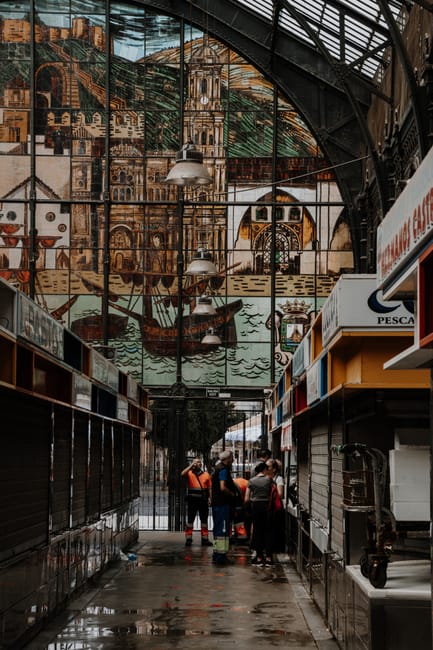
3) Culture, Museums and Unexpected Vantages Around the Port
The port is ringed by museums and cultural sites that deserve more than a quick snapshot. Here are the must-sees with addresses, opening hours and typical prices:
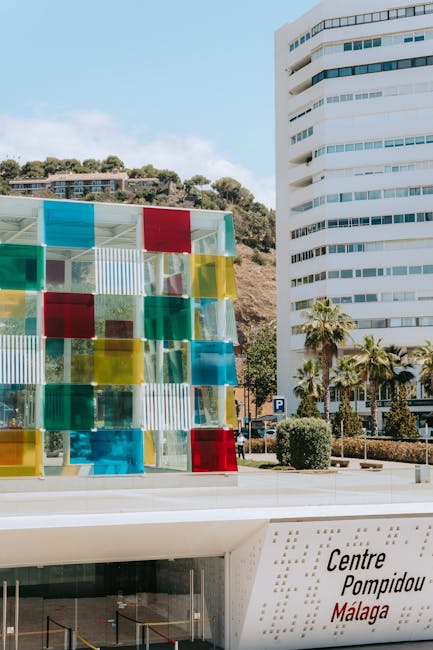
- Centre Pompidou Málaga — Muelle Uno, Plaza de la Aduana (central to the port), 29001 Málaga. Hours: 10:00–20:00 (closed Mondays). Indicative price: adult ticket €9–11. Description: a modern collection and rotating exhibitions, its colorful façade is visible from the quay. Tip: book online to avoid the queue.
- CAC Málaga (Centro de Arte Contemporáneo) — Calle Alemania, 13, 29001 Málaga. Hours: 10:00–20:00 (closed Mondays). Price: often free entry or a suggested donation (€0–5). Description: contemporary installations, minimalist architecture, entrance near the Paseo del Parque.
- Palacio de la Aduana — Plaza de la Aduana, s/n, 29015 Málaga. Hours: check current exhibitions (variable). Indicative price: €3–7 depending on the show. Description: a neoclassical building that sometimes hosts exhibitions linked to the port and maritime history.
But lesser-documented treasures include:
- The Paseo del Parque and its gardens (Paseo del Parque, between Calle Hilera and the port): perfect for a shaded stroll among palm trees and sculptures, open access, public hours. Note: the park functions as a buffer between the city and the waterfront and offers unexpected views of the bay.
- The old port walls as seen from Calle Alcazabilla — access point: Calle Alcazabilla, 2, 29012 Málaga (Alcazaba). Alcazaba hours: 09:00–20:00 in summer; indicative price: Alcazaba alone €3.50–4.50, Alcazaba + Castillo de Gibralfaro combined €5–6. Description: climb early to avoid the heat; you’ll get sweeping views over the port and the Paseo Marítimo.
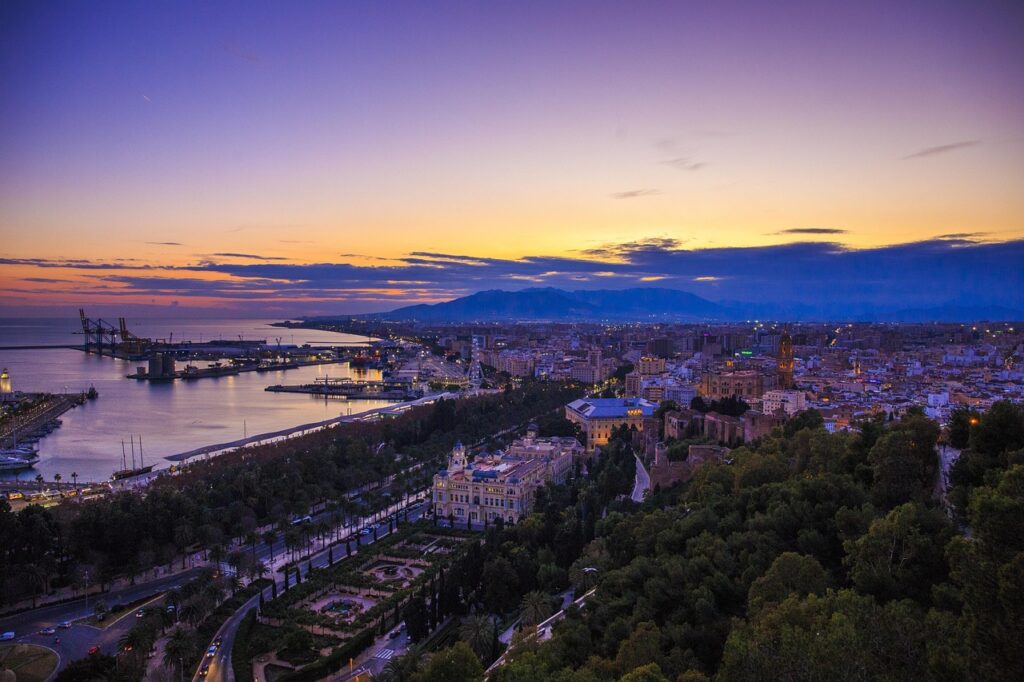
Photographers: the golden hour in the evening is spectacular from Castillo de Gibralfaro (Camino de Gibralfaro, 11, 29016 Málaga). Castillo hours: 09:00–19:00 (seasonal variations). Indicative price: €3–5. Heading up around sunset gives you a balance between the city silhouette and shimmering harbor reflections.
Conclusion — How to Enjoy Malaga’s Port Beyond the Clichés
Puerto de Málaga is a transitional space between sea and city, rich in daily activity, culinary micro-seasons and cultural vantage points. To get the most from your visit, time it right: early morning for authentic fish arrivals, late afternoon for golden views and evenings for the controlled buzz of Muelle Uno. Seek out places locals use, like Mercado de Atarazanas (Calle Atarazanas, 10, 29005 Málaga) and spots that aren’t as « Instagram-friendly » but offer better food. Keep in mind that some museums around the port — Centre Pompidou Málaga (Muelle Uno, Plaza de la Aduana, 29001 Málaga) and CAC Málaga (Calle Alemania, 13, 29001 Málaga) — provide complementary experiences, often with affordable or free entry for contemporary art.
Respect port signage and restricted areas: many activities happen out of the tourist gaze and surveillance is real. If your curiosity pulls you toward the operational side, always ask permission first and, when appropriate, choose an official guided visit. Finally, don’t limit yourself to the quays: the Alcazaba (Calle Alcazabilla, 2, 29012 Málaga) and Castillo de Gibralfaro (Camino de Gibralfaro, 11, 29016 Málaga) offer essential panoramas and histories that explain why the port has shaped Malaga for centuries.
By following these tips — timing, addresses, indicative prices and small local tricks — you’ll discover a port that’s lively, multi-faceted and often overlooked. Whether you’re a photographer, foodie, history buff or just curious, Malaga’s port holds perspectives that don’t always appear on standard circuits. Take your time, pick your hours and let the smell of the sea and the rhythm of the waves guide you to an authentic port experience.